
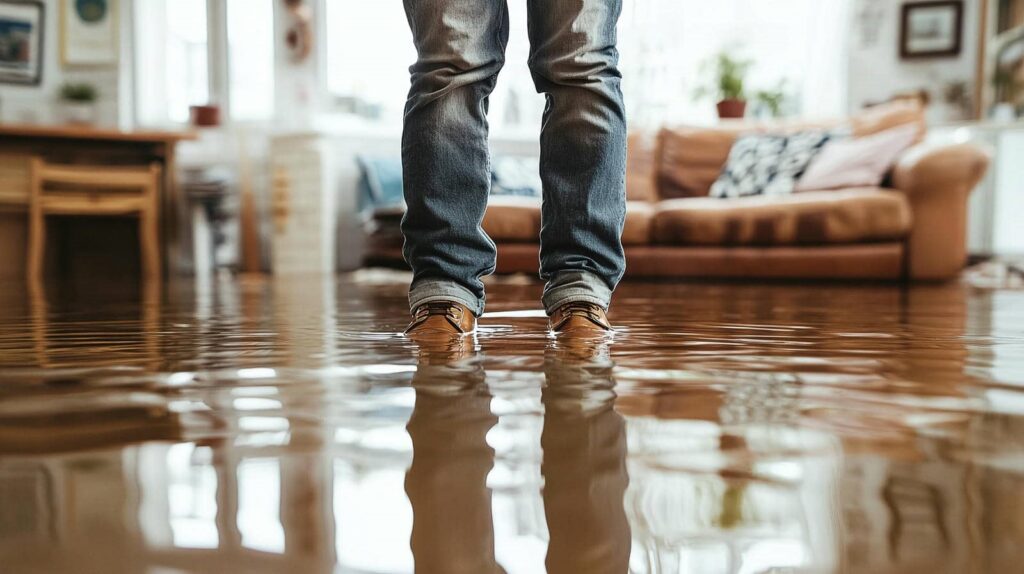
Floods can devastate your home in a matter of hours, leaving you feeling overwhelmed and unsure of where to start. It’s vital to take a methodical approach to recovery, ensuring both your safety and the restoration of your property. By following a structured plan, you can navigate the recovery process effectively. So, what are the essential steps you need to take to get back on your feet?
Key Takeaways
- Assess and document all flood damage thoroughly with photos and notes for repairs and insurance claims.
- Ensure safety by turning off utilities and inspecting for hazardous conditions before beginning water removal.
- Start water extraction promptly to minimize damage, using pumps and protective gear for safety.
- Conduct initial cleanup by removing damaged materials, disinfecting surfaces, and addressing any mold growth immediately.
- Reach out to your insurance provider to understand coverage and prepare documentation for claims processing.
Assess the Damage
When you’re faced with a flooded home, evaluating the damage is essential for your recovery process. Start by inspecting the areas most affected by water. Look for signs of structural integrity issues, like sagging ceilings or warped walls, as these can indicate serious problems.
Document everything carefully—take photos and make notes of the damage. This damage evaluation not only helps in understanding the extent of repairs needed but also aids in insurance claims.
Don’t forget to check hidden areas, such as basements and crawl spaces, where water might linger. Be thorough; even small damages can escalate if left untreated.
Ensure Safety First
Before you start any recovery efforts, it’s essential to prioritize your safety.
Make sure to turn off utilities like gas and electricity to prevent further hazards.
Then, take the time to check for any dangerous conditions, such as unstable structures or hidden debris.
Turn Off Utilities
As you assess the damage in your flooded home, it’s essential to prioritize safety by turning off your utilities.
Start with your electricity; locate the main breaker and switch it off to prevent electrical hazards. Next, turn off your water supply at the emergency shutoff valve. This helps reduce further flooding and potential damage.
If gas lines are involved, contact your utility provider for assistance, as handling gas can be dangerous. Effective utility management during this stressful time is critical for your safety and recovery.
Check for Hazards
Once you’ve turned off your utilities, it’s time to carefully check for hazards that could pose risks during your recovery.
Start with hazard identification; look for things like gas leaks, electrical issues, and structural damage. Use your senses—listen for hissing sounds or smell for gas.
Ensure you have the right safety equipment on hand, like gloves, masks, and sturdy footwear, to protect yourself as you navigate your flooded space.
Be cautious of slippery surfaces and debris, and if you’re unsure about anything, don’t hesitate to call in professionals.
Document the Incident
When a flood devastates your home, documenting the incident becomes essential for recovery and insurance claims. Start by taking clear photos and videos of all flood damage, capturing each room and any affected belongings. This visual evidence is vital in supporting your claims and understanding the extent of the loss.
Next, make a detailed list of damaged items, including their age and estimated value. This won’t only help with your insurance process but also guide your recovery strategies.
Don’t forget to note any structural damage, as this can impact safety and future repairs.
If you’ve had to evacuate, document the date and time of your departure and return. Keeping thorough records will give you a solid foundation for rebuilding your life and home, and it can provide a sense of control during an overwhelming time.
You’re not alone in this; many are steering similar paths to recovery.
Contact Your Insurance Provider
Once you’ve documented the damage, it’s essential to contact your insurance provider to understand your coverage.
They’ll guide you through the claims process and help you determine what’s eligible for reimbursement.
Make sure to have all your documentation ready, as this will streamline your communication and support your claim.
Understand Your Coverage
How can you ensure your recovery process is as smooth as possible after a flood? Start by understanding your insurance coverage.
Reach out to your insurance provider to discuss your policy’s coverage types and policy limits. This knowledge is essential; it helps you know what damages are covered and what isn’t.
Ask specific questions about flood-related claims, and don’t hesitate to clarify any terms that seem confusing. Understanding your coverage ensures you’re prepared for what’s next and sets realistic expectations for your recovery.
Remember, you’re not alone in this process—your insurance agent can guide you through the intricacies of your policy, making this challenging time a bit more manageable.
It’s all about finding the support you need.
Document Damage Thoroughly
After grasping your insurance coverage, the next important step is to document the damage thoroughly.
Start with a detailed damage assessment, noting all affected areas and items. Take clear, extensive photographs from multiple angles, ensuring you capture the extent of the damage. This photographic evidence will support your claim and help your insurance provider understand the situation better.
Don’t overlook smaller items; every detail counts in the recovery process. Keep a written log of your observations and any conversations with your insurance provider.
Begin Water Removal
Begin the water removal process as soon as it’s safe to do so. Time is of the essence, so start with water extraction to minimize damage. If the water is deep, consider using pump systems to efficiently remove large amounts of water. These systems can greatly speed up the process and help protect your home from further harm.
As you tackle this task, remember to wear protective gear, like gloves and boots, to keep yourself safe. If you’re unsure where to begin, don’t hesitate to reach out to local professionals who can assist. They often have the expertise and equipment necessary for effective water removal.
Throughout this process, it’s essential to lean on your support network. Sharing your experience with friends and family can provide comfort as you navigate through recovery. You’re not alone in this, and together, you can get your home back to normal.
Dry Out the Affected Areas
Once you’ve removed the water, it’s essential to dry out the affected areas to prevent further damage.
You can use dehumidifiers effectively to draw moisture from the air, while also ensuring proper ventilation in the space.
This combination will help speed up the drying process and safeguard your home from mold growth.
Use Dehumidifiers Effectively
As you tackle the challenging task of drying out your flooded home, using dehumidifiers effectively can make a significant difference in your recovery process.
Start by setting your dehumidifier to the correct settings; aim for a humidity level between 30-60% for ideal moisture control. Place the units in the most affected areas, ensuring they’re not obstructed by furniture or walls.
Run them continuously until the space feels dry, and regularly check the water reservoir to avoid overflow. If possible, use multiple dehumidifiers to speed up the drying process.
Ventilate the Space
After using dehumidifiers to remove excess moisture, it’s important to ventilate the space to further dry out the affected areas.
Open windows and doors to encourage air circulation; this helps dissipate lingering humidity. If weather permits, use fans to boost airflow, directing them towards the wet spots.
Good moisture control is essential in preventing mold growth, which can complicate your recovery. You might also consider installing exhaust fans in key areas to maintain a steady flow of fresh air.
Remember, the goal is to create a comfortable environment while ensuring your home is safe and dry.
Remove Damaged Materials
When you’re faced with a flooded home, removing damaged materials is essential for preventing further issues like mold and structural damage. Start by evaluating the affected areas; identify anything that’s beyond repair, such as carpets, drywall, and insulation. These materials can trap moisture, making mold prevention a top priority.
As you begin debris disposal, wear protective gear like gloves and masks to safeguard yourself from potential hazards. It’s vital to work methodically, tackling one area at a time to ensure nothing is overlooked.
Consider separating materials for recycling or proper disposal to stay organized and responsible. Don’t hesitate to ask for help; reaching out to friends or local services can ease the burden.
Sanitize the Space
Once you’ve removed the damaged materials, the next step is to sanitize the space thoroughly. This vital action helps ensure your home is safe and healthy for you and your loved ones.
To start, gather your cleaning supplies and follow these essential steps:
Disinfecting surfaces: Use a mixture of water and a suitable disinfectant to wipe down all surfaces, including walls and floors.
Focus on high-touch areas: Don’t forget door handles, light switches, and countertops, as these can harbor bacteria.
Ventilation is key: Open windows and doors to allow fresh air to circulate, helping to dry out any lingering moisture.
Check for mold: After cleaning, inspect for signs of mold growth, and address any issues immediately.
Restore and Repair
As you begin the process of restoring and repairing your home, it’s crucial to take a systematic approach to ensure everything is done effectively. Start with a thorough structural assessment to identify any damage to walls, foundations, and ceilings. This step ensures your home’s safety and helps prioritize repairs.
Once you’ve mapped out the necessary fixes, focus on mold remediation. Mold can develop quickly in damp areas, so address any moisture issues right away. Remove affected materials and use appropriate cleaning solutions to eliminate spores.
Next, tackle repairs by replacing flooring, drywall, and insulation as needed. Be certain to consult professionals for significant structural issues or if you’re unsure about any steps.
Prevent Future Flooding
After restoring and repairing your home, it’s important to take proactive steps to prevent future flooding.
You don’t want to go through this process again. Implementing effective flood prevention strategies now can save you time, money, and heartache later.
Here are some steps you can take:
- Upgrade your drainage system to enhance water flow and minimize pooling.
- Install sump pumps to manage excess water and keep your basement dry.
- Create a rain garden to absorb runoff and reduce flooding risks.
- Seal cracks in your foundation to prevent water seepage.
Frequently Asked Questions
How Long Does the Recovery Process Typically Take After Flooding?
The recovery timeline after flood damage usually spans weeks to months, depending on severity. You’ll need to assess, clean, and repair, so be patient and stay connected with support networks throughout this challenging journey.
What Should I Do With My Furniture After a Flood?
After a flood, assess your furniture for damage. If it’s salvageable, clean and dry it thoroughly before considering furniture restoration. If it’s beyond repair, prioritize replacing items that hold sentimental value for you.
Can I Stay in My Home During the Recovery Process?
You shouldn’t stay in your home during recovery due to safety concerns and potential health risks. It’s vital to prioritize your well-being, ensuring you have a safe, clean environment while restoration occurs.
Are There Any Government Assistance Programs for Flood Recovery?
Yes, there are government assistance programs for flood recovery. You can explore disaster relief options and financial assistance through FEMA, state agencies, or local nonprofits. They’re here to support you during this challenging time.
How Can I Prevent Mold Growth After Flooding?
To prevent mold’s relentless takeover, you must prioritize moisture control. Use dehumidifiers, ventilate spaces, and dry everything within 24-48 hours. Trust these mold prevention tips, and you’ll reclaim your home’s safe haven together.
Review
Recovering from a flood can be overwhelming, but taking these essential actions will help you regain control of your home. By following these steps, you restore your space and create a safer environment for the future. Stay proactive, and don’t hesitate to seek help when needed. Your home will be a safe haven again.