
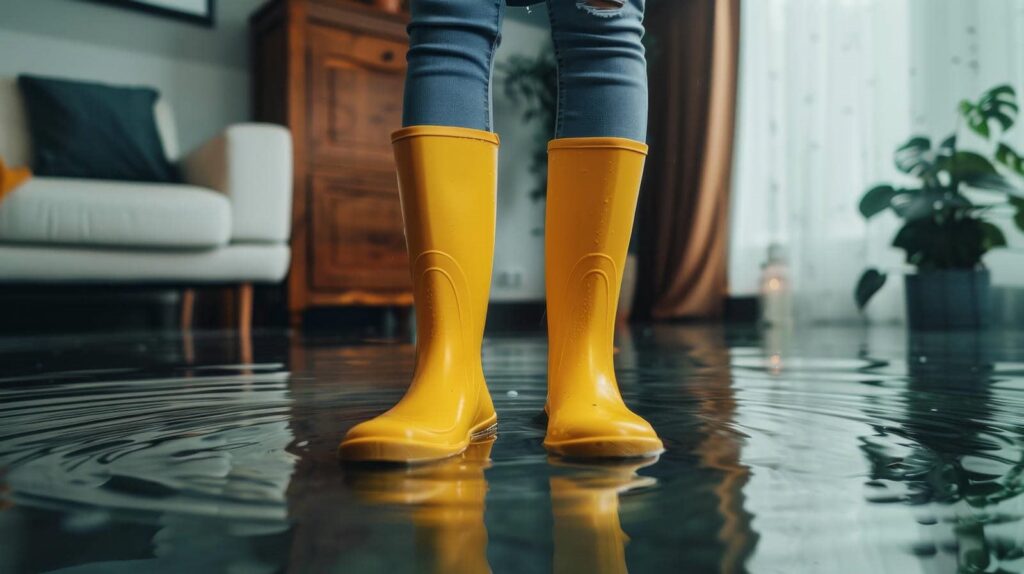
Water damage emergencies happen every day across the U.S. If you ever face one, it’s essential to act quickly to minimize the impact on your property. Knowing the right emergency water damage steps to take can make all the difference in your recovery efforts. Let’s explore the top three strategies you can implement immediately to effectively handle water damage and protect your home.
Key Takeaways
- Act quickly by using sump pumps or wet vacs to extract standing water and prevent further damage.
- Ensure safety by turning off electricity and wearing PPE while assessing the affected area.
- Document all damage with photos and inventories to support your insurance claims.
- Utilize high-powered fans and dehumidifiers to promote effective drying and prevent mold growth.
- Consult professional restoration experts for comprehensive assessment and specialized equipment if needed.
Act Quickly to Minimize Damage
When water damage strikes, acting quickly is crucial to minimize its impact on your property. Start with immediate water extraction to remove standing water; this critical step prevents further saturation and reduces the risk of mold growth.
Use a sump pump or wet vac to efficiently remove excess water, making sure you target all affected areas.
Once the water is extracted, implement effective drying techniques. Deploy high-powered fans and dehumidifiers to accelerate evaporation, paying particular attention to hidden spaces, like behind walls and under flooring.
It’s essential to monitor humidity levels, as keeping them low will aid in preventing secondary damage.
Don’t overlook the importance of using moisture meters to assess dryness and ensure thorough drying.
Ensure Safety First
After you’ve started the water extraction and drying process, prioritizing safety is essential.
Begin by evaluating the environment for hazards, such as electrical risks or structural damage. If standing water is present, turn off the electricity to prevent shocks. Always wear personal protection equipment (PPE)—this includes gloves, boots, and masks—to shield yourself from contaminants and hazardous materials.
Make sure to ventilate the area properly. Open windows and use fans to circulate air, which helps reduce mold growth.
Keep children and pets away from the affected zone to minimize their exposure to potential dangers.
Also, be cautious when moving wet items; they can be heavier than expected. If you’re unsure about the safety of a structure, consult a professional before proceeding.
Document the Damage for Insurance Claims
To ensure a smooth insurance claim process, it’s essential to document the damage thoroughly. Accurate documentation helps you and establishes credibility with your insurer.
Start by gathering photo evidence, capturing every affected area from multiple angles. This visual proof will be invaluable in supporting your claim.
Next, create a detailed inventory of damaged items, including descriptions, costs, and purchase dates. This list will facilitate a quicker assessment and approval of your claim.
Ascertain you include:
- Structural damage: walls, flooring, and ceilings affected by water.
- Personal property: furniture, electronics, and appliances that need replacement.
- Additional expenses: any temporary repairs or accommodation costs incurred.
Finally, don’t forget to keep copies of all communications with your insurance company.
Frequently Asked Questions
How Can I Prevent Future Water Damage in My Home?
To prevent future water damage in your home, implement effective waterproofing techniques and install proper drainage solutions. Regularly inspect your property and maintain gutters to ensure water flows away from your foundation, protecting your space.
What Types of Insurance Cover Water Damage?
Your homeowners policy typically covers water damage from burst pipes, but flood insurance is essential for protection against natural disasters. Make certain you review your policy details to understand your coverage limits and exclusions.
Can I Use Regular Household Fans to Dry Water Damage?
You can use regular household fans, but their effectiveness is limited for extensive water damage. Combine them with other drying techniques, like dehumidifiers, to enhance airflow and accelerate moisture removal, ensuring a more efficient drying process.
When Should I Hire a Professional Restoration Service?
When water damage indicators like mold, mildew, or structural instability appear, it’s time to hire a professional restoration service. Their expertise ensures swift, safe, and effective recovery, preserving your home and peace of mind.
How Long Does the Water Damage Restoration Process Usually Take?
The water damage restoration process typically takes 3 to 7 days, depending on severity. You’ll want to establish a clear water damage timeline with professionals to ensure thorough assessment, drying, and repair for your peace of mind.
Recap
In the race against time, think of your home as a delicate flower caught in a sudden storm. Just as a gardener swiftly shields their blooms from relentless rain, you must act quickly to protect your space from water damage. Prioritize safety, don protective gear, and document the chaos for future recovery. With vigilant drying techniques, you can nurture your home back to health, ensuring it blossoms beautifully once more, resilient against future storms.