
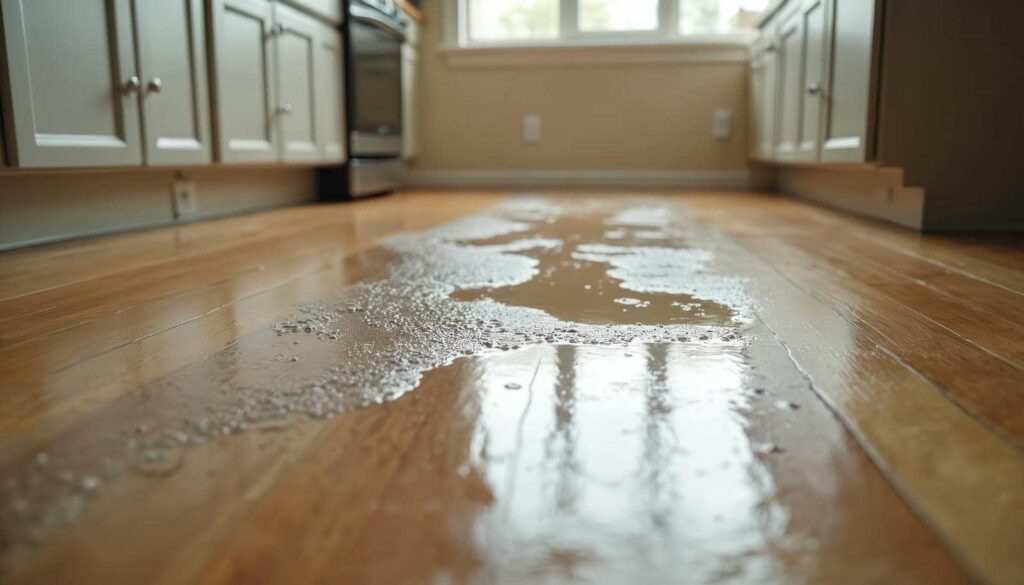
When your home faces flooding, knowing how to tackle the home cleanup is essential. You’ll need to assess the damage carefully, ensuring you prioritize what needs immediate attention. Effective water removal is the next step, but it requires the right techniques and tools. Finally, addressing potential mold issues can save you from future complications. Understanding these strategies can make a significant difference in your recovery process. What comes next might surprise you.
Key Takeaways
- Conduct a thorough damage assessment to identify safety risks and prioritize repairs effectively.
- Use a sump pump for large water removal and a wet vac for smaller areas, ensuring safety gear is worn.
- Dry affected areas quickly with fans and dehumidifiers to prevent mold growth.
- Document all damage with photos for insurance claims, and salvage sentimental items first.
- Maintain water management systems regularly to prevent future flooding risks around your home.
Assessing and Prioritizing Damage
When you’re faced with the aftermath of flooding, evaluating and prioritizing damage is essential for effective cleanup. Start with a thorough damage assessment to identify areas most affected by water. Look for structural issues, such as compromised walls or foundations, and note any damaged electrical systems or plumbing. These elements pose immediate safety risks and should be prioritized for repairs.
Next, evaluate belongings. Salvage what you can, focusing on items that hold sentimental value or can be restored. Document everything, taking photos for insurance claims.
Once you’ve assessed the damage, create a repair priority list. Address critical safety concerns first, followed by major structural repairs, and finally, tackle cosmetic issues.
This methodical approach helps you manage the overwhelming process while fostering a sense of community as you connect with others in similar situations. You’re not alone in this; together, you can rebuild and restore.
Effective Water Removal Techniques
After evaluating the damage, the next step is to efficiently remove standing water from your home. Start by using a sump pump, which can effectively handle large volumes of water. Position it in the lowest area of your home to maximize its efficiency.
If your situation involves smaller pools of water, a wet vac can be invaluable. These versatile tools allow you to suction up water quickly, especially from carpets and hard-to-reach areas.
Before you begin, make sure you wear protective gear to safeguard against contaminants. As you work, focus on sections of your home methodically, preventing water from spreading to unaffected areas.
Implementing Mold Prevention Measures
To prevent mold growth in your home, you must act quickly and decisively after water removal. Begin by thoroughly drying all affected areas; use fans and dehumidifiers to enhance air circulation. This step is crucial, as stagnant moisture invites mold spores to settle and thrive.
Next, inspect hidden spaces like behind walls and under flooring for any signs of dampness. If you discover mold, it’s essential to initiate mold remediation immediately. This process often involves sealing off the affected area, removing contaminated materials, and applying antimicrobial treatments to prevent future growth.
Additionally, make sure your home has proper ventilation, especially in areas prone to humidity, like bathrooms and kitchens.
Regularly checking gutters and drainage systems will also help keep excess water away from your foundation. By taking these proactive steps, you’ll create a healthier living environment for your family.
Frequently Asked Questions
How Long Does It Take for a Home to Dry Completely?
A home’s drying time typically ranges from a few days to several weeks, depending on moisture levels and ventilation. You’ll want to monitor those levels closely to ensure everything dries thoroughly and prevents future issues.
Can I Use Regular Household Fans for Drying?
You can use regular household fans, but their effectiveness is limited. For ideal drying, combine them with other drying techniques like dehumidifiers. This approach will help you achieve better results in restoring your home.
What Should I Do With Damaged Personal Belongings?
You’ll want to start by salvaging items that can be cleaned and restored. For documents, gently air-dry them and avoid heat. It’s tough, but recovering cherished belongings can bring comfort and hope during this process.
Is Flood Insurance Coverage Applicable During Cleanup?
Yes, your flood policy typically covers cleanup costs, but you need to check your coverage limits. Confirm you document damages thoroughly to maximize your claim and recover what you’ve lost during this challenging time.
When Should I Call a Professional Restoration Service?
You should call a professional restoration service immediately after evaluating significant damage. Their expertise ensures a thorough professional evaluation, guiding the restoration process effectively and minimizing further risks to your home and health.
Recap
In the aftermath of a flood, your home may feel like a shipwreck, but with deliberate action, you can restore it to safety and comfort. By evaluating damage, effectively removing water, and prioritizing repairs, you’re not just salvaging a structure; you’re reclaiming your sanctuary. Remember, the journey may seem intimidating, but each step taken is a step toward healing. Stay focused, and soon you’ll breathe life back into your space, ensuring it stands strong against future storms.