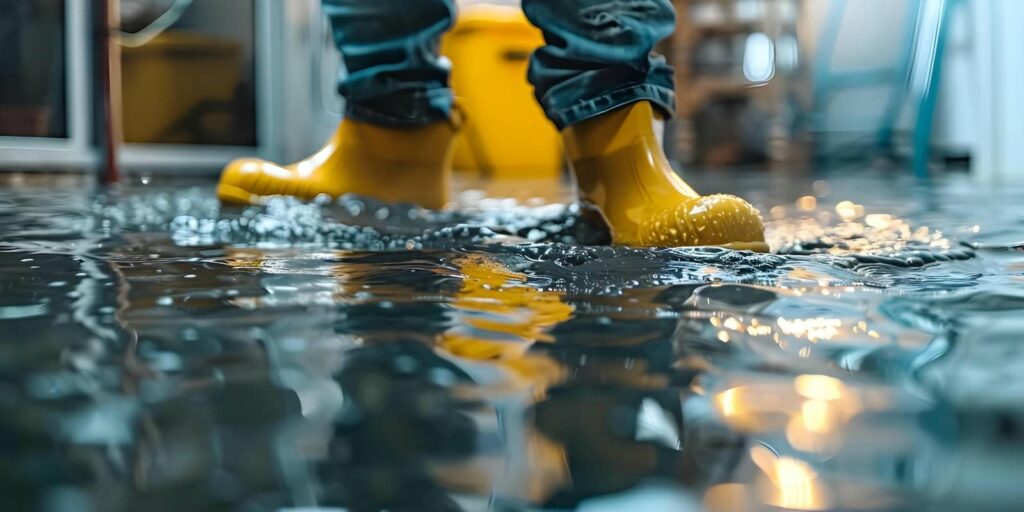
Water damage can lead to serious mold issues if not addressed promptly. It’s vital to act quickly and employ effective strategies to prevent growth. Understanding the best practices for moisture removal and surface treatment is essential for maintaining a safe environment. With the right approach, you can minimize the risks of mold proliferation and protect your space. Let’s explore five key tips that will help you tackle this challenge effectively.
Key Takeaways
- Act quickly to remove moisture by drying affected areas and materials to prevent mold growth.
- Use dehumidifiers and air movers to maintain humidity levels below 60%.
- Clean and disinfect surfaces thoroughly to eliminate any potential mold spores.
- Seal and repair damaged surfaces to prevent moisture infiltration and further damage.
- Regularly monitor humidity levels and ensure proper ventilation in damp-prone areas.
Act Quickly to Remove Moisture
When water damage occurs, acting quickly to remove moisture is essential to prevent further complications. You need to assess the area immediately, identifying sources of water and affected materials.
Start with moisture removal by using appropriate drying techniques. For porous materials like carpets or drywall, consider using a combination of methods, including air circulation and heat application, to expedite the drying process.
Utilizing towels or mops can help absorb excess water, but for larger areas, you might need more advanced tools.
Just remember, the longer moisture lingers, the higher the risk of mold growth and structural damage.
Use Dehumidifiers and Air Movers
After moisture removal, employing dehumidifiers and air movers is essential for effective drying.
Utilizing the right equipment can make a significant difference in preventing mold growth. Here’s how to get the most out of these tools:
Choose the right dehumidifier types: Opt for either refrigerant or desiccant dehumidifiers based on your space and moisture levels.
Strategic air mover placement: Position air movers to direct airflow toward damp areas, enhancing evaporation.
Monitor humidity levels: Keep an eye on the humidity; aim for levels below 60% to inhibit mold growth.
Run continuously: Ensure both dehumidifiers and air movers run continuously until the area is completely dry.
Clean and Disinfect Affected Areas
Cleaning and disinfecting the affected areas is essential for preventing mold and bacterial growth after water damage. You should start by removing any standing water and debris, as these can contribute to mold proliferation.
Next, use a mixture of water and a suitable cleaner to wipe down all surfaces. Pay special attention to porous materials like drywall and carpeting, which may require more thorough treatment or even replacement.
After cleaning, apply a disinfectant specifically designed for mold prevention. Follow the manufacturer’s instructions to ensure effective surface treatment. Allow the disinfectant to sit for the recommended time to kill any lingering spores.
Once you’ve completed these steps, ensure proper ventilation to facilitate drying. Regular inspections can help you identify any potential issues early.
Seal and Repair Damaged Surfaces
To effectively prevent further damage and mold growth, sealing and repairing damaged surfaces is essential. Taking the right steps ensures your space remains safe and comfortable for everyone.
Follow these guidelines for effective surface preparation and sealant options:
Assess Damage: Look for any visible signs of damage, such as peeling paint or warped wood.
Clean the Area: Confirm surfaces are free from dirt and moisture before applying sealants.
Choose Sealant Options: Select high-quality sealants suitable for your specific surface—whether it’s wood, drywall, or concrete.
Apply Repair Techniques: Use patching compounds or caulk to fill cracks and holes, providing a seamless finish.
Monitor Humidity Levels Regularly
Since humidity levels can fluctuate greatly, regularly monitoring them is crucial to preventing mold growth and further water damage. You should aim to maintain indoor humidity between 30% and 60%. Investing in a hygrometer will enable precise humidity detection, helping you identify when levels rise above this range.
Implementing effective humidity control measures, like using dehumidifiers or air conditioners, can greatly reduce moisture in your environment. Additionally, ensure proper ventilation in areas prone to dampness, such as bathrooms and kitchens.
Make it a habit to check humidity levels weekly, especially after heavy rainfall or flooding. If you notice persistent high humidity, take immediate action to mitigate moisture sources.
Frequently Asked Questions
What Types of Mold Are Most Commonly Found After Water Damage?
After water damage, you’ll commonly find mold types like Stachybotrys (black mold), Aspergillus, and Penicillium. These can pose serious health risks, including respiratory issues and allergic reactions, so addressing them promptly is essential for safety.
Can I Use Bleach to Clean Mold From Surfaces?
You can use bleach to clean mold, but its effectiveness varies. While it can kill surface mold, it doesn’t penetrate porous materials. Always prioritize safety by wearing protective gear and ensuring proper ventilation during cleaning.
How Long Does It Take for Mold to Grow After Water Damage?
Mold can start growing within 24 to 48 hours after water damage, depending on water damage factors like humidity and temperature. Understanding this mold growth timeline helps you take timely action to prevent extensive damage.
Are There Specific Materials That Are More Resistant to Mold?
Yes, mold-resistant materials like fiberglass and treated wood, combined with advanced construction techniques such as proper ventilation and moisture control, greatly reduce mold growth risk, ensuring a safer, healthier environment for you and your loved ones.
Should I Hire a Professional or Attempt DIY Mold Removal?
Think of mold like weeds in a garden. You can tackle it yourself with DIY methods, but hiring professional services often ensures thorough removal, prevents future growth, and offers peace of mind for your home.
Review
By promptly addressing moisture and maintaining low humidity levels, you can effectively prevent mold growth after water damage. You might think that these steps are time-consuming, but acting quickly saves you from more extensive repairs and health risks later. Utilizing dehumidifiers, cleaning thoroughly, and sealing surfaces are straightforward tasks that pay off considerably. Remember to monitor humidity regularly; it’s a small effort that ensures a healthier, mold-free environment for you and your loved ones.