
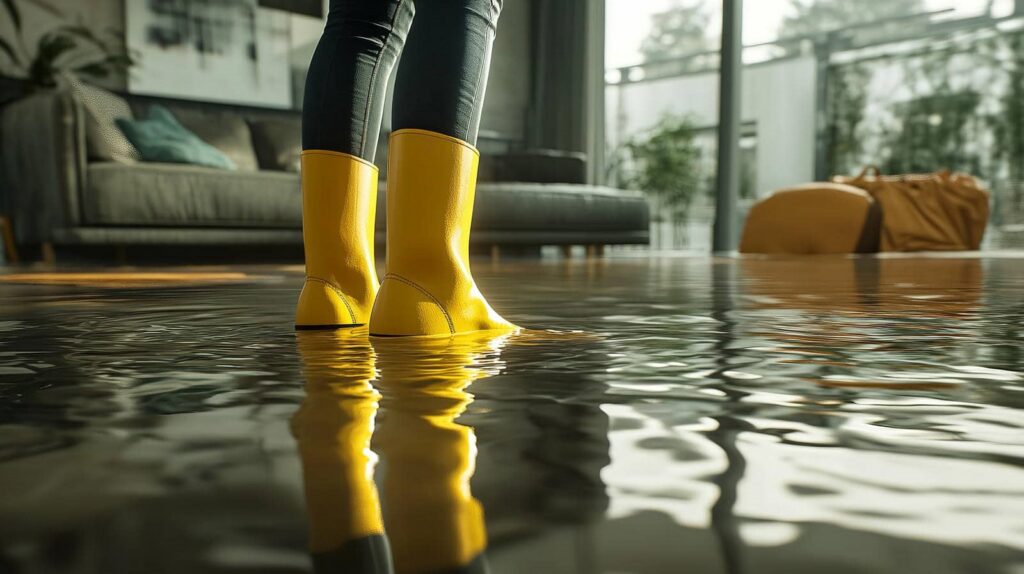
When you’re faced with water damage, every decision you make can impact the restoration process and your insurance claim. It’s crucial to act quickly and methodically. From evaluating the damage to understanding your insurance policy’s coverage, each step plays a critical role. By following a structured approach, you can navigate this challenging situation more effectively. Let’s explore how to optimize your efforts and ensure a smoother claims process.
Key Takeaways
- Assess the type of water damage promptly to determine the appropriate extraction methods and prevent mold growth.
- Document all damage thoroughly with photos and repair estimates to support your insurance claim effectively.
- Engage with your insurance provider early to understand coverage limits, deductibles, and the claims process specifics.
- Hire professional water extraction services to ensure effective recovery and facilitate a smoother insurance claims process.
- Keep organized records of all expenses and receipts related to restoration for clear communication with your insurance adjuster.
Assess the Damage Promptly
When you encounter water damage, it’s crucial to assess the situation promptly to mitigate further issues.
Start by identifying the water type—clean, gray, or black—as this greatly influences your damage assessment. Clean water from a supply line poses less risk than gray water from appliances or black water from sewage. Each type requires different handling and remediation strategies.
Next, inspect the affected areas thoroughly. Check for structural damage, mold growth, or compromised electrical systems.
Take note of the extent of damage to walls, flooring, and personal belongings. Documenting this information accurately helps you make informed decisions about repairs and communicate effectively with your insurance provider.
Time is of the essence; acting fast can prevent complications, such as mold growth and further degradation.
Document Everything Thoroughly
To effectively address water damage, you need to document everything thoroughly.
Take detailed photos of the affected areas and collect repair estimates from professionals.
This documentation aids the recovery process and serves as vital evidence for insurance claims.
Take Detailed Photos
Taking detailed photos during the water extraction process is essential for thorough documentation. These images serve as vital evidence for your damage assessment and can notably influence your insurance claim’s success.
Capture every angle of the affected area, focusing on the severity and extent of the damage. Organize your photos systematically, perhaps by location or type of damage, to create a clear narrative for both yourself and your insurer.
This photo organization aids in understanding the situation better and provides a compelling visual account of the incident. When you present your claim, these well-documented images reinforce your position, helping you secure the support you need from your insurance provider.
Compile Repair Estimates
After documenting the damage with detailed photos, the next step involves compiling repair estimates.
You’ll want to gather multiple quotes from licensed contractors to ensure a thorough view of repair pricing. This helps in determining the total cost and aids in achieving estimate accuracy for your insurance claim.
Keep in mind that discrepancies in estimates can lead to delays or denials, so be meticulous. When you compile these estimates, include itemized lists detailing specific repairs and their associated costs.
This thorough documentation will support your case and demonstrate that you’re taking the necessary steps to restore your property. By being diligent in this process, you enhance your chances of insurance approval and ensure a smoother recovery journey.
Contact Your Insurance Provider
Contacting your insurance provider is an essential step in managing the aftermath of water damage. You’ll want to gather all relevant information, including your policy number and details about the incident.
Understanding insurance terminology can greatly ease the process. Ask about coverage limits, deductibles, and any specifics regarding water damage claims.
Initiate the claim process as soon as possible, as timely reporting can impact your approval. Be prepared to provide documentation, such as photos and repair estimates, to support your claim.
It’s also helpful to inquire about the timeline for processing your claim and any required forms.
Establishing clear communication with your insurer fosters trust and ensures you’re both on the same page. Remember, they’re there to assist you in maneuvering the complexities of your policy.
Hire a Professional Water Extraction Service
When water damage occurs, hiring a professional water extraction service can greatly expedite the recovery process. These services employ advanced water extraction techniques that remove standing water while minimizing the risk of mold growth and structural damage.
By utilizing specialized equipment, professionals can quickly assess the situation and determine the most effective approach for your specific needs.
Moreover, professional services possess the expertise to handle various types of water damage, whether it’s from a burst pipe or flooding. They understand how to work with your insurance company, ensuring that all necessary details are documented for a smoother claims process.
Choosing a professional service means you’re not alone in this challenging situation; you’ll have a team dedicated to restoring your home efficiently.
Ultimately, investing in expert help can save you time, money, and stress in the long run.
Keep All Receipts and Invoices
Keeping all receipts and invoices related to water extraction and restoration efforts is essential for documenting your expenses and ensuring a smooth claims process with your insurance company.
Effective receipt organization can greatly simplify this task. Create a dedicated folder—whether physical or digital—where you can store all relevant documents. This method helps you keep track of your expenses and provides a clear overview of what’s been spent.
Invoice tracking is equally important; make sure to note the date, service provider, and amount for each expense. This organized approach allows you to respond promptly to any inquiries from your insurance adjuster.
Additionally, keeping a detailed log of your expenses can bolster your claim, demonstrating that you’ve taken the necessary steps to mitigate damage. By maintaining meticulous records, you’re setting yourself up for a more favorable outcome when dealing with your insurance company.
Follow up With Your Insurance Adjuster
To ensure a smooth claims process, following up with your insurance adjuster is essential after submitting your water extraction claim.
It’s important to communicate effectively, ensuring your adjuster understands your needs and concerns. Reach out within a week of your submission to confirm they received all necessary documentation and to ask about the next steps.
Establish timelines for when you can expect updates or decisions on your claim. This proactive approach shows your commitment and helps you stay informed throughout the process.
If delays occur, don’t hesitate to follow up again, as this reinforces your dedication to resolving the situation efficiently.
Understand Your Policy Coverage
How well do you understand your policy coverage when it comes to water damage? Knowing your coverage types is essential for maneuvering any water damage claims. First, review your policy to identify what’s included and what’s not—this is where policy limitations come into play. Many homeowners assume that all water damage is covered, but that’s often not the case. For example, sudden leaks may be included, while damage from gradual leaks could be excluded.
Additionally, familiarize yourself with specific coverage types like dwelling, personal property, and liability. Each has its own parameters regarding what constitutes damage and the extent of coverage. Understanding these details helps you gauge if your claim is valid and how much you might receive.
If you find discrepancies or unclear terms, don’t hesitate to reach out to your insurance provider for clarification. This proactive approach ensures you’re prepared when it’s time to file a claim.
Frequently Asked Questions
How Long Does the Water Extraction Process Typically Take?
The water extraction process typically takes 24 to 48 hours, depending on the extent of water damage and the extraction techniques used. Quick response and effective methods greatly reduce drying time and minimize long-term issues.
Will My Insurance Cover Mold Remediation Costs?
Your insurance might cover mold remediation costs, but it depends on your policy’s mold coverage. Investigate the details, as every remediation process varies, and understanding your policy helps you navigate potential financial responsibilities effectively.
What if My Insurance Claim Gets Denied?
If your claim gets denied, review the denial reasons carefully. You can initiate the claim appeal process by gathering supporting documents and presenting your case clearly. Persistence often leads to a successful resolution in these situations.
Can I Handle Water Extraction Myself?
You can handle water extraction yourself using DIY water removal methods, but it requires proper water extraction equipment and knowledge. Assess your skills first, as improper handling might lead to further damage and complications.
Are There Specific Items Not Covered by My Policy?
Your policy likely has specific exclusions that could surprise you. Have you reviewed your exclusions list? Understanding your policy specifics helps you identify which items aren’t covered, ensuring you’re prepared for unexpected losses.
Wrap-Up
In the aftermath of water damage, taking swift action can be the lifeline for your restoration efforts and insurance claims. Think of your approach as a well-tuned machine, each step working in harmony to ensure a smooth recovery process. By evaluating the damage, documenting thoroughly, and collaborating with professionals, you create a solid foundation for your claim. Remember, your meticulous attention to detail today can prevent a flood of headaches tomorrow, paving the way for a seamless restoration journey.