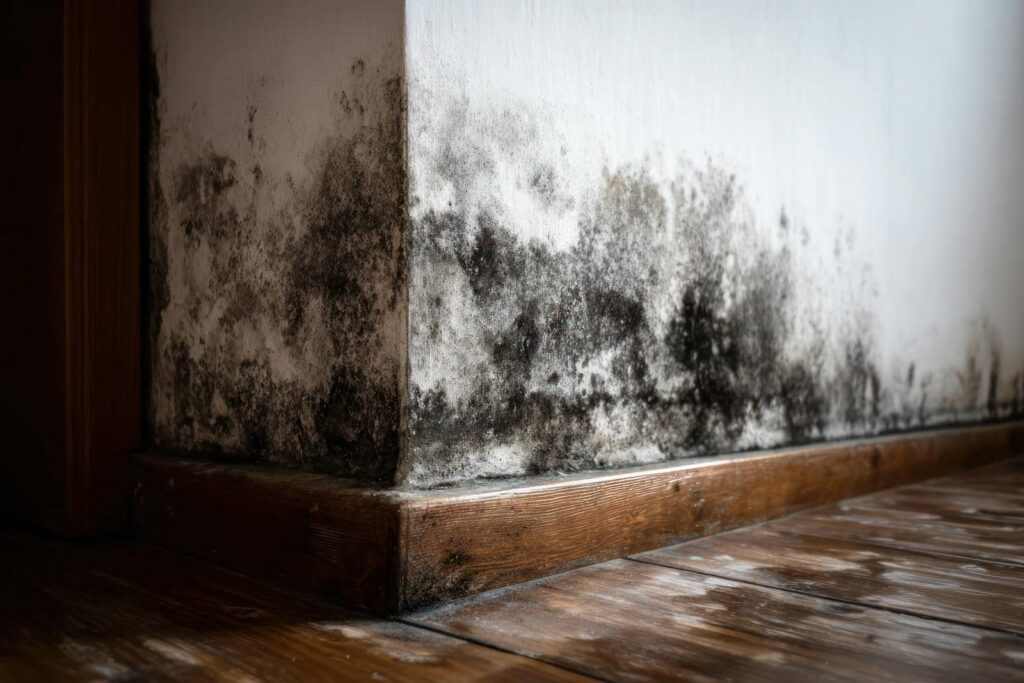
Imagine a homeowner discovering mold on their walls just days after a pipe burst. The situation can escalate quickly if not handled properly. To effectively stop fungi during water restoration, you need to take swift action and follow specific steps. This guide outlines seven essential tips to ensure your efforts are successful and prevent further damage. Let’s explore the key strategies you should implement right away.
Key Takeaways
- Quickly assess water damage and identify the source to prevent further moisture intrusion and mold growth.
- Use fans and dehumidifiers to enhance airflow and maintain humidity levels between 30-60% for effective drying.
- Clean and disinfect all affected surfaces with mold-killing solutions to eliminate existing fungi.
- Regularly monitor humidity levels using a hygrometer and maintain proper ventilation to discourage mold development.
- Seal any leaks or gaps to prevent additional moisture and conduct routine inspections for ongoing mold prevention.
Assess the Damage Quickly
When you face water damage, evaluating the situation quickly is vital to preventing fungal growth.
Begin your damage assessment by identifying the source of water intrusion. Check all affected areas, including walls, floors, and ceilings, for signs of moisture. Use a moisture meter to gauge the extent of saturation; this helps you prioritize areas that need immediate attention.
A rapid response is significant. Once you’ve pinpointed the damage, remove any standing water using pumps or wet vacuums. If materials like drywall or carpeting are heavily soaked, consider removing them to minimize moisture retention.
Document the damage for insurance purposes, taking photos and notes to support your claims.
Acting swiftly not only reduces the risk of fungi but also fosters a sense of community. You’re not alone in this; many homeowners face similar challenges, and sharing your experiences can provide valuable insights.
Ensure Proper Ventilation
To prevent fungal growth during water restoration, you must ensure proper ventilation.
Open windows and doors to allow fresh air circulation and use fans strategically to enhance airflow in affected areas.
This will help lower humidity levels and expedite the drying process.
Open Windows and Doors
Ensuring proper ventilation is essential in preventing fungal growth during water restoration, as stagnant air can exacerbate moisture issues.
By opening windows and doors, you enhance air circulation, allowing fresh air to flow through the space. This not only reduces humidity levels but also helps eliminate musty odors that can attract fungi.
Natural light plays a critical role, too; it can inhibit mold growth and create a more inviting environment.
Make it a habit to regularly check that openings are unobstructed to maximize airflow. If conditions permit, keep windows and doors open as much as possible during the restoration process.
This simple action can greatly contribute to a healthier atmosphere, fostering a sense of community and belonging in your environment.
Use Fans Strategically
While opening windows and doors enhances airflow, strategically using fans can further boost ventilation efforts during water restoration.
Proper fan placement and directing airflow effectively play vital roles in preventing fungal growth. Here’s how to maximize your fan usage:
- Position fans to face outward in windows to expel damp air.
- Use additional fans to create cross-ventilation by facing them towards each other.
- Adjust fan angles to ensure airflow direction reaches all affected areas.
- Keep fans running continuously, even after the immediate moisture is gone, to maintain air circulation.
Use Dehumidifiers Effectively
Since excessive moisture can lead to fungal growth, using dehumidifiers effectively is crucial during water restoration.
First, pay attention to dehumidifier placement; position the units in the areas with the highest humidity and moisture levels. This ensures ideal moisture control, preventing fungi from taking hold.
Next, seal off rooms to concentrate the dehumidifier’s power, minimizing air exchange with unaffected areas. Make sure to monitor the humidity levels regularly. Aim for a relative humidity of 30-60% to inhibit fungal growth effectively.
Additionally, empty the water reservoir frequently to maintain efficiency. If you’re dealing with a large space, consider using multiple dehumidifiers to cover all areas thoroughly.
Finally, run the dehumidifiers continuously until the space feels dry and comfortable. Following these steps will help you manage moisture levels and protect your environment from potential fungal infestations.
Clean and Disinfect Affected Areas
To effectively clean and disinfect affected areas, you need to choose appropriate cleaning solutions that are proven to eliminate fungi.
After applying the cleaner, make certain you thoroughly dry all surfaces to prevent moisture retention, which can encourage fungal growth.
Following these steps will considerably reduce the risk of fungi during the restoration process.
Use Appropriate Cleaning Solutions
Choosing the right cleaning solutions is essential when you’re tackling fungi during water restoration. You need to evaluate both natural solutions and chemical agents, as they each play vital roles in effective remediation.
Here are some options to help you decide:
Vinegar: A natural antifungal that can effectively eliminate minor infestations.
Boric Acid: A powerful chemical agent that targets mold spores and prevents recurrence.
Hydrogen Peroxide: A non-toxic option that can disinfect surfaces and kill fungi.
Commercial Mold Cleaners: Formulated specifically for fungi, these agents provide strong protection against future growth.
Thoroughly Dry Surfaces
While it might seem straightforward, thoroughly drying surfaces is essential in preventing fungi from taking hold during water restoration.
You need to employ effective drying techniques, such as using dehumidifiers, fans, and heaters, to expedite moisture control. Begin by removing excess water with mops or towels, then strategically position fans to enhance airflow.
Pay close attention to hidden areas, like behind walls and under furniture, where moisture can linger. Make certain all surfaces, including floors and walls, are completely dry before proceeding to disinfect.
This step not only eliminates potential fungal growth but also prepares the area for any necessary repairs. By diligently drying and controlling moisture, you create a healthier environment for everyone involved in the restoration process.
Monitor Humidity Levels
Monitoring humidity levels is essential in preventing fungal growth during water restoration. Effective humidity control and moisture monitoring help you maintain a safe environment, reducing the risk of mold development.
You should regularly check humidity levels using a hygrometer, aiming for a range between 30-60%.
Here are some tips to help you manage humidity effectively:
- Ventilate: Ensure adequate airflow in affected areas to promote drying.
- Dehumidify: Use dehumidifiers to actively reduce moisture in the air.
- Seal Spaces: Address any leaks or gaps that might introduce additional moisture.
- Temperature Control: Keep indoor temperatures stable, as warmer air holds more moisture.
Apply Mold Inhibitors
Once humidity levels are under control, applying mold inhibitors is an essential step in preventing fungal growth during water restoration.
You’ll want to select effective chemical options that specifically target mold prevention. Look for products containing fungicides or biocides, which can effectively eliminate existing spores and inhibit future growth.
Before applying, read the manufacturer’s instructions carefully to confirm proper usage. Wear protective gear, including gloves and masks, to safeguard yourself from harmful chemicals.
Apply the mold inhibitors to all affected surfaces and areas prone to moisture, such as walls, ceilings, and floors.
Ensure adequate ventilation during the application process to minimize inhalation risks.
After applying, monitor the treated areas to verify the effectiveness of the mold inhibitors.
Regularly Inspect for Signs of Mold
Regular inspections for signs of mold are essential in maintaining a healthy environment during water restoration.
You should establish a consistent inspection frequency, ideally every few days, to catch any issues early. Utilize effective mold detection techniques to ensure thorough assessments.
- Check damp areas like basements and crawl spaces.
- Look for visible mold growth on walls, ceilings, and floors.
- Use moisture meters to detect hidden dampness.
- Pay attention to musty odors, which can indicate mold presence.
Frequently Asked Questions
How Long Does It Take for Fungi to Develop After Water Damage?
Fungi can begin developing within 24 to 48 hours after water damage, rapidly progressing through their lifecycle. To prevent growth, address moisture issues immediately and ensure thorough drying of affected areas. Your prompt action is essential.
Can I Use Bleach to Kill Mold Effectively?
You can use bleach for mold removal, but its effectiveness isn’t foolproof. It can kill surface mold, yet it often fails to penetrate porous materials, leaving hidden spores behind. Consider extensive methods for thorough results.
What Are the Health Risks Associated With Mold Exposure?
Mold exposure can lead to various health effects, including respiratory issues, allergic reactions, and skin irritation. You might experience mold symptoms like coughing, sneezing, or headaches, indicating the need for immediate action to address the problem.
Should I Remove Wet Materials Immediately?
Yes, you should remove wet materials immediately. Prompt wet material removal helps prevent mold growth and further damage. Acting quickly helps ensure a healthier environment and minimize potential health risks from prolonged moisture exposure.
How Can I Prevent Fungi in Future Water Events?
To prevent fungi in future water events, implement effective fungi prevention strategies. Focus on moisture control methods, like sealing leaks, using dehumidifiers, and ensuring proper ventilation. Your proactive steps create a safer, healthier environment for everyone.
Review
In the battle against fungi during water restoration, swift action is your best ally. Each step you take is like a stitch in a tapestry, weaving together a safer, healthier environment. By evaluating damage, ensuring ventilation, and using dehumidifiers, you’re not just mitigating mold; you’re fortifying your space against future threats. Remember, consistent monitoring and cleaning are your ongoing guardians. Stay vigilant, document your efforts, and turn your restoration journey into a success story.