Many homeowners underestimate the impact of hidden home water damage, which can lead to costly repairs if left unchecked. It’s essential to know how to accurately assess the situation before it worsens. From spotting visible water stains to utilizing specialized tools, there are effective methods to evaluate the extent of damage. Understanding these techniques can save you time and money, but you’ll need to know the best practices to implement.
Key Takeaways
- Inspect for visible water stains and discoloration on ceilings, walls, and floors to determine the source and duration of moisture exposure.
- Look for mold growth and musty odors, especially in hidden areas, to identify potential health risks and hidden water damage.
- Assess the structural integrity of walls and floors for cracks, bulges, or sagging, and use a moisture meter to check for dampness.
- Monitor humidity levels with a hygrometer, taking action if levels exceed 60% to prevent mold growth and further water damage.
- Utilize thermal imaging technology for non-invasive moisture detection, revealing hidden leaks and damp spots without causing disruption to the property.
Inspect Visible Water Stains and Discoloration
When evaluating home water damage, inspecting visible water stains and discoloration is essential, as these signs often indicate underlying issues.
You’ll want to pay close attention to water stain patterns, which can reveal the source and duration of moisture exposure. For example, a broad, dark stain may suggest a slow leak, while concentrated spots could indicate a recent issue.
Discoloration causes can range from plumbing leaks to roof failures and even condensation problems. Identifying these patterns and causes allows you to prioritize repairs effectively.
Make sure to check ceilings, walls, and flooring, as different materials may present unique signs of water damage.
Check for Mold Growth and Odors
When evaluating water damage, it’s vital to inspect hidden areas, such as behind walls and under flooring, where mold can thrive.
Pay close attention to any musty odors, as they often indicate mold presence, even if it’s not visible.
Addressing these issues promptly can prevent further damage and health risks.
Inspect Hidden Areas
Although you might think visible water damage is the only concern, hidden areas in your home often harbor significant issues like mold growth and persistent odors.
Start by inspecting places that are less accessible, such as behind walls, under sinks, and around plumbing fixtures. Look for hidden leaks from water sources like pipes or appliances that could lead to moisture accumulation.
Pay attention to any discoloration or peeling paint, which can signal underlying problems. Use a moisture meter to detect dampness in these concealed areas.
If you notice a musty smell, it’s a telltale sign that mold may be developing. Addressing these hidden issues promptly can prevent larger, costlier repairs and ensure a healthy living environment.
Identify Musty Odors
Identifying musty odors in your home is essential for detecting mold growth and evaluating water damage. These odors often signal moisture problems and potential health risks.
Begin by pinpointing musty origins; check areas like basements, attics, and behind appliances where stagnant water may accumulate.
Next, investigate potential odor sources, such as leaking pipes, damp carpets, or water-damaged drywall. Don’t overlook ventilation systems, as they can circulate mold spores throughout your living space.
If you detect persistent musty smells, it’s vital to address them immediately. Mold can thrive in hidden spaces, leading to more extensive damage and health concerns.
Taking prompt action protects your home and fosters a healthy environment for you and your loved ones.
Assess Structural Integrity of Walls and Floors
To effectively assess the structural integrity of walls and floors after water damage, you need to look for visible signs of deterioration and instability.
Start by examining load-bearing walls for cracks, bulges, or soft spots, as these can indicate compromised strength. Check for sagging floors, which may suggest issues with foundation stability.
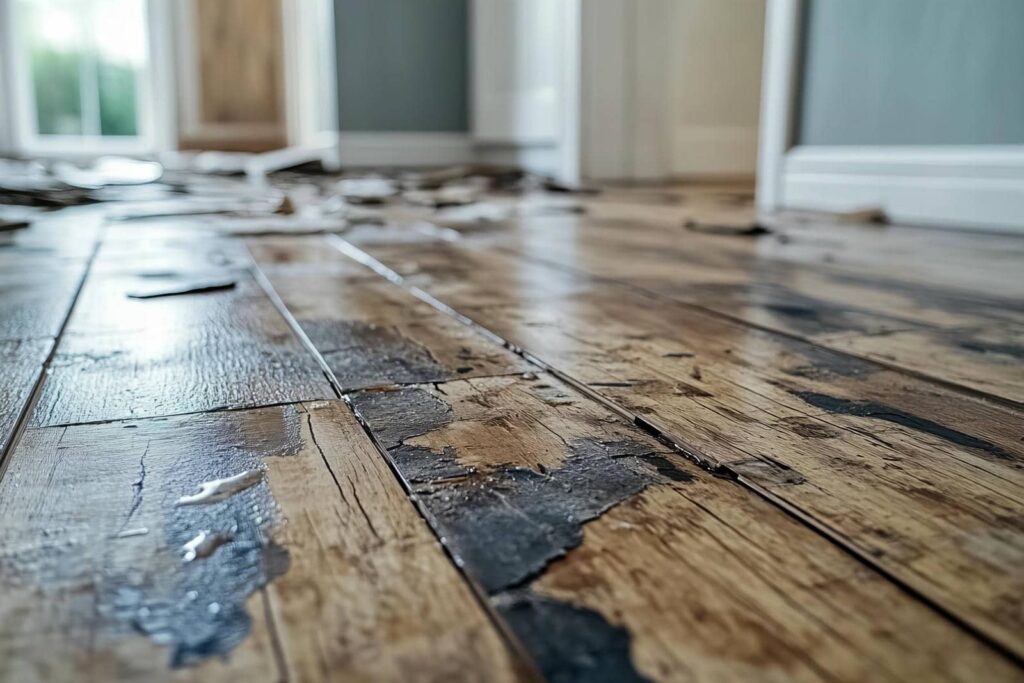
Pay close attention to any warping or discoloration in drywall and flooring materials, as these can signal moisture-related damage. Use a moisture meter to determine if the materials are still wet, which could exacerbate structural issues.
If you notice significant damage, it’s essential to consult a structural engineer. They can assess whether repairs are needed to maintain the safety and longevity of your home.
Examine Plumbing Fixtures and Appliances
Inspecting plumbing fixtures and appliances is essential after experiencing water damage, as they often serve as both sources and indicators of leaks.
To effectively assess potential plumbing leaks or appliance malfunctions, follow these steps:
- Check faucets and showerheads – Look for drips or dampness around the fixtures, which can indicate leaks.
- Inspect water heaters – Examine for signs of rust or moisture pooling around the base, signaling possible failure.
- Evaluate washing machines and dishwashers – Confirm hoses are secure and free from cracks; any leaking could lead to significant damage.
Addressing these areas promptly can prevent further issues and ensure your home remains safe and dry.
Investigate the Attic and Crawl Spaces
After ensuring your plumbing fixtures and appliances are secure, turn your attention to the attic and crawl spaces, as these areas can often harbor hidden water damage.
Start by examining the insulation in your crawl space; it should be intact and dry. Damaged or wet insulation can indicate moisture issues that need immediate attention.
Next, inspect the attic for signs of water stains or mold growth on beams and rafters. Proper attic ventilation is essential, as it helps prevent condensation buildup that can lead to extensive damage.
If you notice any dampness, investigate the source, which could be roof leaks or poor drainage.
Make it a habit to check these areas regularly to catch potential problems early. By staying vigilant, you can protect your home from serious water damage and maintain a safe, healthy living environment for your family.
Monitor Humidity Levels With a Hygrometer
While evaluating your home for water damage, monitoring humidity levels with a hygrometer is essential to maintaining a healthy environment.
Proper humidity control prevents mold growth and protects your home’s integrity. Here’s how to effectively use a hygrometer:
- Select a high-accuracy hygrometer: Confirm it provides precise humidity readings. Look for models that have a calibration feature for improved hygrometer accuracy.
- Monitor regularly: Check humidity levels at different times of the day. This helps you identify patterns and potential problem areas.
- Take action based on readings: If humidity exceeds 60%, consider using dehumidifiers or improving ventilation to mitigate water damage risks.
Utilize Professional Water Damage Assessment Tools
To accurately assess water damage, you should utilize professional tools like infrared moisture meters and thermal imaging cameras.
These devices help pinpoint hidden moisture and structural issues that aren’t visible to the naked eye.
Additionally, hygrometers can provide precise humidity readings, enabling you to evaluate the overall environment effectively.
Infrared Moisture Meters
When evaluating home water damage, infrared moisture meters stand out as essential tools that provide accurate, non-invasive readings of moisture levels within walls, ceilings, and floors.
Utilizing infrared technology, these devices help you pinpoint hidden moisture issues, making them invaluable in your assessment process.
Here’s what you can expect when using an infrared moisture meter:
- Instant Readings: Quickly identify moisture hotspots without invasive probing.
- Visual Mapping: View temperature variations that indicate potential water damage.
- Enhanced Accuracy: Rely on precise moisture detection to guide your remediation efforts.
Hygrometers for Humidity Levels
Hygrometers serve as fundamental instruments for accurately measuring humidity levels in your home, especially after water damage.
These devices help you assess the humidity impact on your environment, allowing for informed decisions about restoration. For peak accuracy, verify the hygrometer’s calibration; this ensures your readings reflect the actual conditions in your space.
High humidity can exacerbate mold growth and structural deterioration, so monitoring these levels is vital. By regularly checking your hygrometer, you can take proactive measures to mitigate moisture issues before they escalate.
Investing in a quality hygrometer empowers you to protect your home and fosters a sense of belonging within your community, as you become more knowledgeable about maintaining a safe living environment.
Thermal Imaging Cameras
How can thermal imaging cameras revolutionize your assessment of water damage? These powerful tools use thermal imaging technology for precise moisture detection, allowing you to identify hidden issues that traditional methods might miss.
Here’s how they enhance your inspection:
- Visual Clarity: Detect temperature variations that indicate moisture presence in walls and ceilings.
- Early Detection: Spot leaks and damp spots before they escalate, preventing costly repairs.
- Comprehensive Analysis: Assess large areas quickly, pinpointing trouble spots without invasive methods.
Frequently Asked Questions
What Are the Common Causes of Home Water Damage?
Common causes of home water damage include flood sources like heavy rain or storm surges and plumbing issues, such as leaks, burst pipes, or faulty appliances. Identifying these early can prevent extensive damage and costly repairs.
How Can I Prevent Future Water Damage in My Home?
To prevent future water damage, implement waterproofing measures like sealing cracks and installing proper drainage solutions. Regular maintenance and inspections ensure your home stays protected, creating a safe environment for you and your loved ones.
What Should I Do Immediately After Discovering Water Damage?
When you discover water damage, act swiftly like a lighthouse guiding ships. Initiate your emergency response by shutting off water sources, documenting the damage, and contacting professionals for immediate actions to mitigate further issues.
How Can Insurance Help With Water Damage Repairs?
Insurance can aid in water damage repairs by covering costs within your policy’s coverage limits. You’ll need to navigate the claims process, providing documentation of damage and expenses to ensure you receive appropriate compensation for your losses.
When Should I Hire a Professional for Water Damage Assessment?
You should hire a professional for water damage inspection when you notice persistent moisture, mold growth, or structural issues. A thorough professional assessment ensures accurate damage evaluation and effective remediation to protect your home and health.
Summary
By following these steps, you can uncover the hidden dangers lurking behind your walls and beneath your floors. Imagine the relief of discovering a small leak before it transforms into a cascading waterfall of damage. With each inspection and assessment, you’re not just protecting your home; you’re safeguarding your sanctuary. Stay vigilant, monitor your environment, and arm yourself with the right tools, ensuring your home remains a safe haven, free from the destructive grip of water damage.