
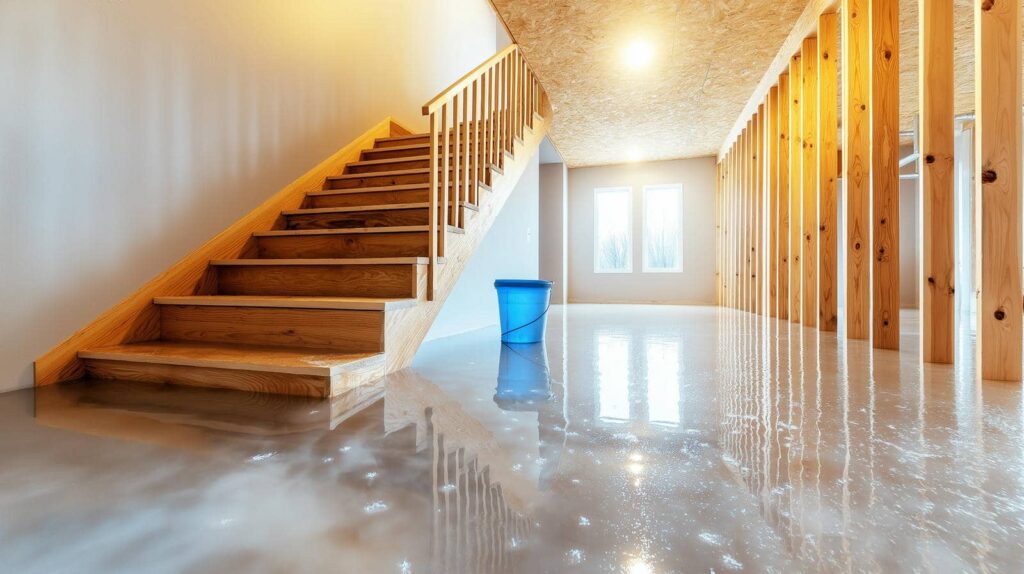
When you’re facing a flooded basement, the evaluation process can feel overwhelming. You’ll want to know what to expect as professionals assess the situation. They’ll begin by identifying the source of the water, followed by a thorough inspection of structural damage and personal belongings. Understanding the steps involved can help ease your concerns, but there’s more to reflect upon when it comes to moisture detection and the necessary restoration process.
Key Takeaways
- Expect a thorough inspection of water sources, including pipes, appliances, and foundation cracks, to identify the cause of flooding.
- The evaluation will assess structural damage, checking for cracks, warping, and mold signs on walls and flooring.
- Personal belongings will be examined for water damage, with a focus on larger items and sentimental objects requiring special care.
- Moisture detection techniques, like moisture meters and mapping, will be used to gauge humidity levels and assess water penetration.
- Documentation of damage will be created for insurance purposes and to facilitate communication with restoration professionals.
Initial Assessment of the Situation
When faced with a flooded basement, how do you begin your evaluation? Start by ensuring your safety. Before entering, check for electrical hazards and wear appropriate safety gear, like waterproof boots and gloves. If you’ve got standing water, remember that even a few inches can pose a risk, so tread carefully.
Next, take a moment to document the situation. Use your phone to capture images for insurance claims and note the extent of the damage. If the water level is significant, don’t hesitate to call emergency contacts or professionals who can assist in the cleanup.
While evaluating the damage, be mindful of your emotional well-being. It’s normal to feel overwhelmed, so lean on friends or family for support. You’re not alone in this; many have faced similar challenges.
Identification of Water Sources
How can you effectively pinpoint the source of the water in your flooded basement? Start with water source identification, as understanding where the moisture originates is essential.
Inspect common culprits like pipes, appliances, and foundation cracks. Use leak detection techniques such as a moisture meter to help identify hidden leaks behind walls or under floors.
Check the exterior of your home, too; heavy rainfall or poor drainage can lead water to seep in. Look for pooling water around your foundation or gutters clogged with debris.
If you’re unsure, consider consulting a professional who can utilize advanced tools like thermal imaging cameras for a thorough assessment.
Don’t feel overwhelmed; many homeowners face this challenge. By methodically identifying the source, you’ll take the first step toward effective remediation.
Evaluation of Structural Damage
As you begin evaluating the structural damage in your flooded basement, it’s crucial to focus on key indicators that might reveal the extent of the issue.
Start by inspecting the walls and foundation for cracks, warping, or signs of mold, as these can compromise structural integrity. Pay close attention to the flooring; any buckling or sagging could indicate deeper problems.
Next, assess any wooden beams and supports for rot or water damage. These issues can lead to significant repair costs if not addressed promptly.
Document your findings, as this will help you communicate effectively with professionals later on.
Don’t forget to check for any signs of pest infestations, which can further weaken the structure.
Inspection of Personal Belongings
Start your inspection of personal belongings by systematically evaluating each item for water damage and mold growth.
Begin with larger items, like furniture, checking for warping, peeling paint, or discolored upholstery. Move to personal items such as books, photographs, and clothing, as they’re often more susceptible to damage.
Carefully assess these belongings, noting any visible stains or musty odors, which signal potential mold issues.
Use a damage assessment checklist to document what you find. This will help you prioritize items for restoration or disposal.
Remember, some belongings may hold sentimental value, so consider consulting a professional for delicate items.
If you find mold, take precautions by wearing gloves and a mask to protect your health.
Ultimately, your goal is to salvage as much as possible while ensuring a safe and thorough evaluation of your cherished personal items.
Moisture Detection and Testing
Identifying moisture levels in your flooded basement is essential for determining the extent of damage and preventing future mold growth. Using moisture mapping techniques, you can pinpoint areas with high moisture concentrations, allowing you to address the problem effectively.
A professional may employ tools like moisture meters to measure humidity levels in the air and materials, ensuring no hidden pockets of moisture remain.
During this process, you’ll gain insights into how deeply the flooding has penetrated your basement’s structure. Understanding these readings helps you feel more in control of the situation, fostering a sense of community as you tackle these challenges.
It’s important to remember that a proactive approach to monitoring moisture now can save you from more severe issues down the line. By prioritizing moisture detection and testing, you’re taking the first steps toward restoring your space and protecting your home.
Recommendations for Cleanup and Restoration
After evaluating the damage, you’ll need to prioritize effective water removal techniques to prevent further complications.
It’s essential to implement mold prevention strategies right away, as mold can develop in just 24 to 48 hours in damp conditions.
Initial Assessment Procedures
As you begin evaluating a flooded basement, it’s crucial to prioritize safety before entering the affected area.
Start by following established safety protocols—verify the power is turned off, and wear protective gear like gloves and boots. An equipment checklist is essential; you’ll need a flashlight, a moisture meter, and a camera to document damage.
Assess the water level and identify potential hazards, such as structural issues or electrical risks. Take your time, as rushing can lead to injury.
Remember, you’re not alone in this process; many face similar challenges and can offer support. Your careful approach secures your safety and sets the stage for effective cleanup and restoration.
Together, we can tackle these intimidating situations.
Water Removal Techniques
Once you’ve verified the area is safe, it’s time to focus on effective water removal techniques.
Using the right tools will help you restore your space efficiently and safely. Here are some recommendations:
Sump Pump: If your basement has standing water, a sump pump is essential for removing large volumes quickly.
Wet/Dry Vacuum: For smaller amounts of water and residual moisture, a wet/dry vacuum is handy for cleanup.
Dehumidifier: After the bulk of the water is gone, use a dehumidifier to remove excess moisture from the air, preventing future issues.
Fans and Ventilation: Set up fans to promote airflow and speed up the drying process.
Taking these steps can make a significant difference in your recovery.
You’re not alone in this; support is available.
Mold Prevention Strategies
To effectively prevent mold growth in your flooded basement, it’s crucial to act quickly and decisively. Start by removing any standing water and drying surfaces within 24 to 48 hours.
Use fans and dehumidifiers to maintain humidity control, keeping levels below 60%. If you notice any visible mold, don’t hesitate to initiate mold remediation, as this will help safeguard your home and health.
Confirm you wear protective gear during cleanup to avoid exposure. Inspect hidden areas, like behind walls or under carpets, as mold can thrive out of sight.
Finally, consider applying a mold-resistant sealant to walls and floors post-cleanup; this adds an extra layer of protection for your space and fosters a secure environment for your family.
Frequently Asked Questions
How Long Will the Evaluation Process Take?
The evaluation duration typically ranges from one to three hours. However, factors influencing this timeframe include the extent of damage, accessibility, and any necessary testing. Your concerns are valid, and we’re here to support you.
Will My Insurance Cover the Evaluation Costs?
Your insurance policy might cover evaluation costs, but it depends on specific terms. Think of it like a lifebuoy; it’s there to help when you’re in trouble, but you must know how to use it.
What Qualifications Should the Evaluator Have?
You should look for evaluators with relevant certifications and substantial experience levels in water damage assessments. This ensures they’re knowledgeable about industry standards, providing you with confidence and peace of mind during this challenging situation.
Can I Stay in My Home During the Evaluation?
You can stay in your home during the evaluation, but ensure that safety precautions are in place. If conditions worsen, temporary relocation might be necessary to protect your well-being and maintain a secure environment for everyone involved.
What Should I Do While Waiting for Help?
While waiting for help, prioritize safety precautions by avoiding wet areas and turning off electricity. Start immediate cleanup by removing water-damaged items, ensuring you wear protective gear, and feel supported in your efforts to restore your home.
Recap
A flooded basement evaluation isn’t just about evaluating water damage; it’s about protecting your home and health. By understanding what to expect during this evaluation, you can take proactive steps to prevent mold growth and structural issues. Trust the professionals to guide you through the process, ensuring your space is safe and secure once again. Your peace of mind is worth it.