When you encounter water damage, it’s essential to assess the situation methodically. Start by identifying the source and extent of the problem. Look for visible signs like discoloration and mold, and use tools such as moisture meters for hidden issues. Each step you take can greatly impact mitigation efforts and restoration. Understanding the assessment process is important—what comes next might surprise you.
Key Takeaways
- Inspect affected areas for visible damage, including stains, warping, and mold growth to assess the extent of water damage.
- Use a moisture meter to measure humidity levels in materials and identify hidden moisture issues.
- Document findings with detailed photographs and notes to support insurance claims and facilitate the restoration process.
- Engage trained technicians for professional assessments, as they can identify critical issues using advanced tools like thermal imaging.
- Implement immediate mitigation strategies, such as removing excess water and drying affected areas, to prevent further damage and mold growth.
Understanding the Causes of Water Damage
Understanding the causes of water damage is vital for effective prevention and remediation. You’ll find that water sources, such as leaky roofs, burst pipes, and flooding, can greatly impact your property. By identifying these potential threats, you can implement targeted prevention methods.
For instance, regular inspections of your plumbing system can help you catch small leaks before they escalate. Additionally, maintaining gutters and downspouts ensures water flows away from your foundation, reducing the risk of seepage.
If your area is prone to flooding, consider installing sump pumps or flood barriers as proactive measures. Being aware of these causes allows you to create a thorough plan to protect your home.
Signs and Symptoms of Water Damage
How can you recognize the early signs of water damage in your home? Start by inspecting for discoloration or stains on walls and ceilings; these are often the first indicators of moisture intrusion.
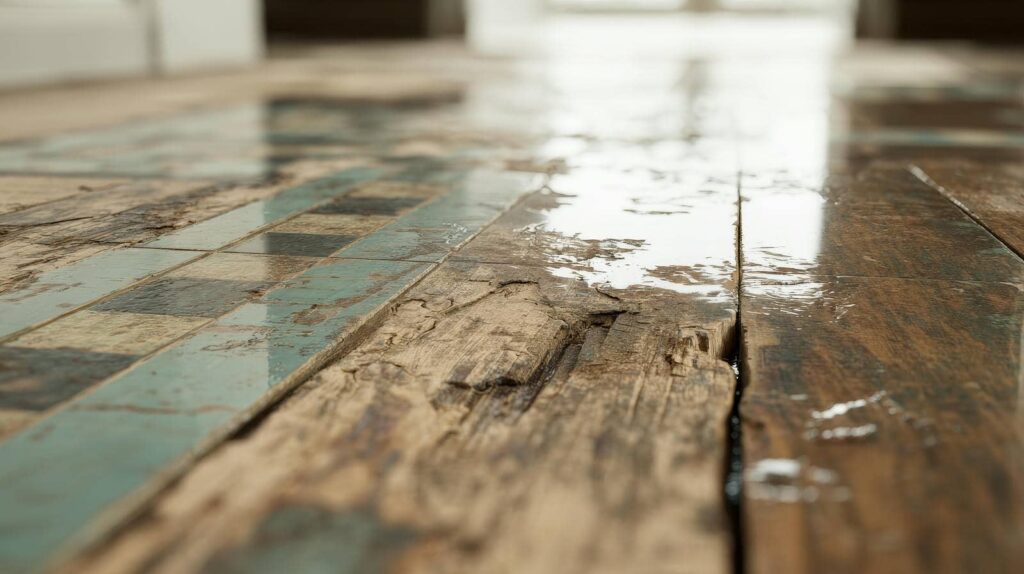
Pay attention to any warped or buckled flooring, as this can signal underlying issues. You should also be vigilant about mold growth, which can appear as dark spots in damp areas. A musty odor is another red flag, indicating that moisture is present, potentially compromising your home’s structural integrity.
Additionally, check for peeling paint or wallpaper, which can suggest moisture buildup. Don’t forget to monitor your water bill for unexplained increases, as this may hint at hidden leaks.
Initial Steps for Assessment
Once you’ve identified signs of water damage, the next step is to conduct a detailed assessment of your home.
Start with an initial evaluation by inspecting the affected areas for visible damage, such as stains, warping, or mold growth. Pay close attention to ceilings, walls, and floors, as these are often the first indicators of moisture issues.
Next, evaluate the source of the water intrusion. Check plumbing fixtures, appliances, and the roof for leaks. Document your findings to aid in a thorough damage evaluation.
If possible, use a moisture meter to measure humidity levels in affected materials, as this can provide further insight into the extent of the damage.
Tools and Equipment for Water Damage Inspection
Effective water damage inspection relies on several essential tools and equipment that can help you accurately assess the situation.
One of the most important tools is a moisture meter, which allows you to measure the moisture content in various materials, such as wood and drywall. By using this device, you can pinpoint areas that require immediate attention and determine the extent of the damage.
Infrared cameras are another invaluable asset in your inspection toolkit. They enable you to visualize temperature differences in surfaces, revealing hidden moisture behind walls or under floors that may not be detectable by the naked eye.
This technology helps you identify problem areas more efficiently, ensuring you address all potential sources of damage.
Investing in these tools enhances your inspection accuracy and fosters a sense of confidence in managing water damage effectively.
Identifying Affected Areas in Your Home
When evaluating your home for water damage, it’s crucial to systematically identify affected areas to mitigate further issues.
Start by checking for visible signs like water stains, which can indicate underlying problems. Use moisture mapping techniques to assess hidden moisture levels throughout your home.
Here’s a structured approach to help you:
Inspect ceilings and walls: Look for discoloration, peeling paint, or bulging surfaces, as these can reveal leaks or trapped moisture.
Examine floors and carpets: Check for warping, buckling, or dampness. Pay attention to corners where water tends to accumulate.
Assess plumbing fixtures: Review sinks, toilets, and appliances for any signs of leaks or water pooling around them.
Evaluating the Severity of Damage
After identifying affected areas in your home, the next step is to evaluate the severity of the damage.
Begin by examining severity indicators such as moisture levels, discoloration, and structural integrity. Water damage classification typically includes three categories: clean water, gray water, and black water, each indicating different levels of contamination and risk.
For instance, clean water from a burst pipe poses less risk than gray water from a washing machine.
Pay close attention to the duration of exposure; prolonged moisture increases the likelihood of mold growth, which complicates the damage assessment.
Check for warped materials or soft spots, as these can signify deeper issues.
Utilizing these indicators allows you to classify the damage accurately, guiding your next steps in remediation.
Documenting the Damage for Insurance Claims
When documenting water damage for insurance claims, it’s crucial to take detailed photographs of all affected areas and items.
Keep all repair receipts and invoices as they serve as critical proof of your expenses.
Additionally, document any communication with your insurance company to ensure a smooth claims process.
Take Detailed Photographs
Taking detailed photographs of the water damage is essential for your insurance claim process. Proper documentation can strengthen your case and ensure you receive the compensation you deserve.
Utilize effective photographic techniques to capture clear images from various damage angles. Follow these steps:
Wide Shots: Capture the overall scene to show the extent of the damage.
Close-ups: Focus on specific areas, highlighting affected materials and structural damage.
Contextual Images: Include surrounding areas to provide context and show how the damage impacts the entire environment.
Keep Repair Receipts
Keeping repair receipts is crucial for effectively documenting the damage and supporting your insurance claims. When water damage occurs, every expense related to repairs should be meticulously recorded.
This repair documentation serves as evidence of your financial investment in restoring your property. Make sure that your receipts detail services rendered, materials purchased, and labor costs incurred.
Additionally, categorize these financial records chronologically to simplify the claims process. Having organized receipts strengthens your case with the insurance company and provides a clear account of your financial outlay.
Document Communication Records
Documenting communication records is an essential aspect of managing water damage claims. Effective communication strategies can greatly influence the outcome of your claim, so you need to keep track of all interactions.
Here are three key steps for proper record organization:
Log Dates and Times: Note when you communicate with your insurance adjuster, contractors, or restoration services.
Summarize Conversations: Write brief summaries of each discussion, including important details and commitments made.
Store Correspondence: Keep emails, texts, and letters in a dedicated folder, ensuring easy access for future reference.
Professional Assessment vs. DIY Inspection
When evaluating water damage, you need to weigh the benefits of professional expertise against the potential for a DIY inspection.
Professionals come equipped with specialized tools and extensive knowledge, ensuring a thorough evaluation that might be hard to achieve on your own.
However, if you’re considering cost and time efficiency, a DIY approach could save you money, but it may also overlook critical issues.
Expertise and Equipment
While you might be tempted to tackle water damage inspections yourself, understanding the distinction between professional assessments and DIY inspections is essential.
Professionals bring specialized knowledge and equipment, ensuring accurate evaluations that DIY methods may overlook.
Here are three key advantages of professional assessments:
Expertise: Trained technicians understand the complexities of water restoration and can identify hidden damage you might miss.
Advanced Tools: Professionals use moisture meters and thermal imaging to detect moisture levels and assess structural integrity accurately.
Comprehensive Reports: They provide detailed reports that guide effective restoration strategies, ensuring your property is fully restored.
Cost and Time Efficiency
Investing in a professional assessment for water damage can save you both time and money in the long run.
While DIY inspections may seem cost-effective, they often lead to inadequate evaluations, resulting in costly repairs down the line.
Professionals conduct a thorough cost analysis, identifying hidden damage and potential risks you might miss. This expertise ensures accurate findings and enhances your time management, allowing you to focus on restoring your space rather than second-guessing your methods.
Ultimately, opting for professional help can prevent further damage, leading to significant savings.
When you prioritize efficiency and accuracy, you contribute to a more resilient and supportive community, sharing valuable lessons learned in water damage management.
Next Steps After Assessment
After evaluating the extent of water damage, it’s crucial to take immediate and strategic actions to mitigate further issues.
Your next steps should focus on effective mitigation strategies that can prevent additional damage and ensure a safe environment.
Here’s a concise plan to guide you:
Document the Damage: Take photos and notes to create a detailed record for insurance claims or restoration services.
Remove Excess Water: Use pumps and wet/dry vacuums to eliminate standing water promptly, reducing the risk of mold growth.
Dry Out Affected Areas: Utilize dehumidifiers and fans to thoroughly dry the space, ensuring that all moisture is removed from walls, floors, and furniture.
Frequently Asked Questions
How Long Does It Take for Water Damage to Become Serious?
Water damage can escalate within 24 to 48 hours. You should conduct a severity assessment promptly, as mold growth and structural issues may arise quickly during this water damage timeline. Act fast to mitigate risks.
Can Mold Grow if Water Damage Isn’t Addressed Quickly?
Yes, mold can grow if you don’t address water damage quickly. Effective mold prevention involves prompt water extraction, reducing moisture levels, and maintaining proper ventilation to inhibit mold growth and protect your living environment.
What Are the Health Risks Associated With Untreated Water Damage?
Untreated water damage can lead to severe health effects like respiratory issues, allergies, and infections. Long-term consequences may include chronic health problems and increased susceptibility to illnesses, affecting your overall well-being and quality of life.
How Do I Choose a Professional for Water Damage Assessment?
To choose a professional for water damage assessment, check their certification requirements and read service reviews. Ascertain they have experience and a solid reputation, so you feel confident in their ability to handle your situation effectively.
Is Homeowners Insurance Likely to Cover Water Damage?
Homeowners insurance often covers water damage, but it depends on your policy specifics. You’ll want to check exclusions and limits to ensure you’ve got the right insurance coverage for unexpected disasters. Don’t leave it to chance!
Wrap-Up
Effective water damage assessment hinges on a systematic approach, blending keen observation with the right tools. As you uncover the hidden layers of moisture, you might coincidentally discover that the source of the issue is linked to a seemingly unrelated plumbing problem. By meticulously documenting your findings and weighing the benefits of professional help versus a DIY inspection, you’ll ensure that your home is restored efficiently, safeguarding against future incidents.