
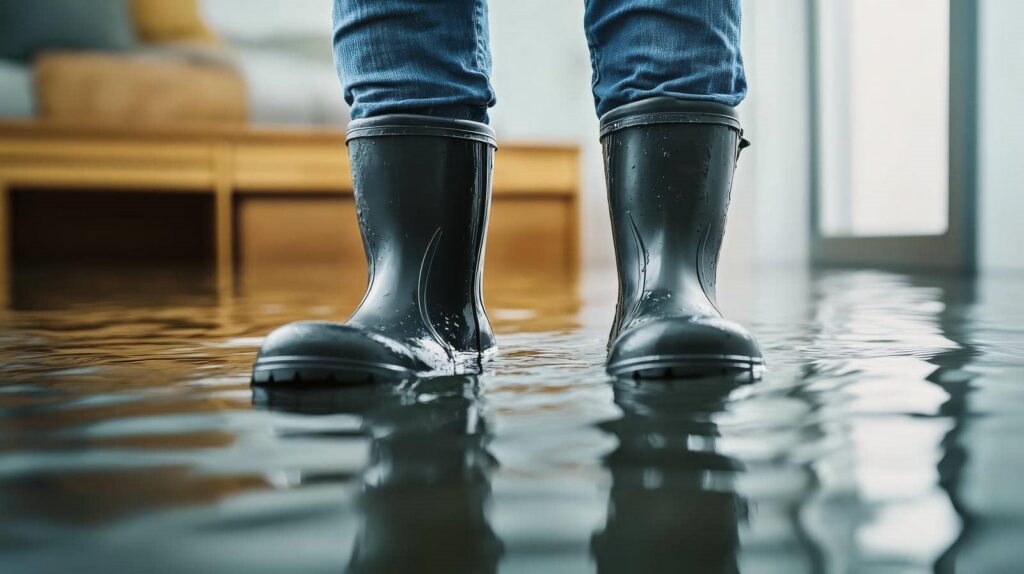
Imagine stepping into your flooded home, only to find water pooling where your cherished memories once stood. It’s an intimidating sight, and your first instinct might be panic. But with a methodical approach, you can tackle the cleanup effectively. Understanding the steps to take can make all the difference in restoring your space and peace of mind. Let’s explore how to navigate this challenging situation and reclaim your home from the aftermath of a flood.
Key Takeaways
- Assess the damage thoroughly, documenting all visible and hidden damages with photos for insurance claims.
- Remove water quickly using pumps and absorbent materials, ensuring safety precautions are followed to avoid electrical hazards.
- Clean and sanitize affected areas, using protective gear and proper cleaning supplies to prevent mold growth.
- Engage professionals for extensive repairs, prioritizing structural integrity and essential systems like plumbing and electrical before cosmetic work.
- Implement preventative measures, such as flood insurance and proper drainage systems, to minimize future flooding risks.
Assessing the Damage
When you’ve experienced flooding in your home, it’s essential to assess the damage thoroughly and promptly. Start by documenting everything you see; take photos and notes to have a clear record for insurance claims.
Focus on both visible and hidden damages. Check for water-soaked materials, such as drywall and carpets, which may compromise your home’s structural integrity.
Inspect the foundation, walls, and beams for signs of warping or cracking. If you notice any structural issues, it’s vital to address them immediately to prevent further complications.
Additionally, don’t forget about your belongings—furniture and personal items may also need evaluation.
This damage assessment can feel overwhelming, but you’re not alone in this process. Reach out to professionals for help if needed, and remember, taking these steps will guide you toward recovery and restoration, bringing you one step closer to reclaiming your safe space.
Ensuring Safety First
After evaluating the damage, your next priority should be ensuring safety first.
Before you start any cleanup, take a moment to gather essential safety gear, like gloves, boots, and masks. This gear protects you from harmful substances and potential injuries.
Also, make certain to check for hazards, such as exposed wires or structural damage.
Keep your emergency contacts handy, just in case you need assistance. This could include local authorities, utility companies, or a trusted neighbor.
Remember, it’s vital to keep a level head and not rush into the process. You’re not alone; many have faced similar challenges and emerged stronger.
If you’re unsure about any situation, don’t hesitate to reach out for help. Your safety is the top priority, and taking these steps ensures you can tackle the cleanup process effectively and confidently.
Water Removal Techniques
When it comes to removing water from your flooded home, you have a couple of effective techniques at your disposal.
Pumping out water quickly helps prevent further damage, while absorption methods can tackle any lingering moisture.
Understanding and implementing these strategies will set you on the right path to restoring your space.
Pumping Out Water
You’ll find that efficiently pumping out water is crucial for minimizing damage to your home after a flood.
Start by evaluating the situation and gathering the right pumping equipment. Submersible pumps, for instance, can effectively handle large volumes of water, while utility pumps work well for smaller areas.
Once you’ve chosen your equipment, make certain you follow safety precautions, especially if electricity is involved. Connect hoses securely for ideal water extraction, directing the flow away from your home’s foundation.
Work methodically, checking for any hidden pockets of water that might linger.
Absorption Methods
Absorption methods are essential for tackling residual water in your home after a flood. To efficiently remove water, you’ll want to use various absorption materials, such as towels, sponges, or specialized absorbent pads. These materials can soak up the remaining moisture, preventing further damage.
Start by strategically placing absorbent pads in the wet areas, allowing them to draw in excess water.
You can also use a combination of absorption techniques, like blotting with towels or sponges, to maximize water removal.
Drying and Dehumidification
After removing the water, acting quickly on drying and dehumidification is essential to prevent further damage.
You’ll want to use the right equipment, like fans and dehumidifiers, to effectively remove moisture from your home.
Regularly monitoring humidity levels will help ensure that your space stays dry and safe.
Importance of Quick Action
When floods strike, the urgency of quick action can’t be overstated, as every moment counts in preventing further damage to your home.
Your emergency response can make all the difference, and timely intervention is essential. Here’s what you should prioritize:
Assess the Damage: Quickly identify the areas affected by water.
Remove Standing Water: Act fast to eliminate any standing water to minimize damage.
Ventilate the Space: Open windows and doors to promote airflow.
Start Drying: Use fans and dehumidifiers to absorb moisture and prevent mold.
Taking these steps protects your home and supports your well-being.
Equipment for Effective Drying
Once you’ve taken those initial steps to assess the damage and remove standing water, the next phase involves using the right equipment to effectively dry out your home.
Start with industrial fans, which circulate air and speed up the drying process. Position them strategically around the affected areas to ensure maximum airflow.
Additionally, using moisture meters can help you monitor the dampness of walls and floors, guiding your drying efforts. Keep an eye on those readings; they’ll indicate when you’ve removed enough moisture.
Monitoring Humidity Levels
How can you effectively monitor humidity levels during the drying process? Keeping an eye on humidity is essential for successful moisture control in your home. Here’s how to do it:
Invest in a hygrometer: This tool measures humidity levels accurately, helping you track progress.
Check frequently: Regularly monitoring ensures you catch any spikes in humidity early.
Use dehumidifiers: They help reduce moisture, but make sure to monitor their effectiveness.
Assess your environment: Open windows or use fans when it’s drier outside to assist in lowering humidity.
Cleaning and Sanitizing Affected Areas
As you begin the process of cleaning and sanitizing affected areas in your flooded home, it’s essential to prioritize safety and efficiency. Start by wearing protective gear, including gloves and masks, to shield yourself from contaminants.
Gather your cleaning supplies, such as mops, buckets, and brushes, along with effective sanitizing solutions like bleach or hydrogen peroxide.
Focus on removing any standing water and debris first. Then, thoroughly clean surfaces with your chosen cleaning supplies, ensuring you reach corners and crevices.
Once cleaned, apply sanitizing solutions to eliminate harmful bacteria and viruses, following the manufacturer’s instructions for proper dilution and contact time.
After sanitizing, ventilate the area by opening windows and using fans. This process helps maintain a safe environment and fosters a sense of belonging as you restore your home.
Dealing With Mold and Mildew
After cleaning and sanitizing your flooded home, you might notice the unwelcome presence of mold and mildew.
Don’t worry; addressing this quickly can aid in maintaining a safe environment for you and your loved ones.
Here’s how to tackle it effectively:
Inspect: Check all areas for visible signs of mold or mildew, especially in damp corners and behind appliances.
Contain: Seal off affected areas to prevent spores from spreading to unaffected spaces.
Remediate: Use appropriate mold remediation products, following the manufacturer’s instructions for safe application.
Prevent: Ensure proper ventilation and use dehumidifiers to reduce moisture levels, which is key for mildew prevention.
Salvaging Personal Belongings
When your home has been flooded, salvaging your personal belongings can feel overwhelming, but it’s essential to act quickly to minimize damage.
Start by sorting through your items and prioritizing valuable items, like photographs, important documents, and sentimental keepsakes. Carefully remove these from the affected areas, using gloves to protect yourself.
Next, rinse off mud and debris with clean water, and dry items as soon as possible to prevent further damage.
Remember the emotional impact of losing cherished possessions; it’s okay to take breaks and process your feelings. For items that can’t be saved, consider documenting them with photos to help with insurance claims.
If you’re uncertain about whether to keep an item, trust your instincts. Sometimes, even small mementos can hold great significance.
Repairing and Restoring Your Home
While the emotional toll of a flooded home can be heavy, taking a structured approach to repairs and restoration can help restore a sense of normalcy.
Focus on these key steps for successful home renovation:
Document Everything: Take photos and notes of the damage for your insurance claims. This is crucial for maximizing your coverage.
Assess Structural Damage: Check for compromised walls, floors, and foundations. It’s important to verify your home is safe for repairs.
Engage Professionals: Depending on the extent of the damage, hiring a contractor can make the restoration process smoother and more efficient.
Prioritize Repairs: Start with critical areas like plumbing and electrical systems before moving on to cosmetic changes.
Preventative Measures for the Future
To safeguard your home against future flooding, it’s vital to take proactive steps that minimize risk and damage. Start by investing in flood insurance, which provides essential financial protection and peace of mind. Without it, the costs of recovery can be overwhelming.
Next, assess your property’s landscape grading. Make certain that the ground slopes away from your home, directing water flow away from your foundation. If needed, consult a professional to make necessary adjustments.
Additionally, consider installing sump pumps and drainage systems to manage excess water effectively. Regularly clean gutters and downspouts to prevent clogs and overflow.
Finally, stay informed about local flood risks and community resources. By building a network with neighbors and local organizations, you can create a stronger, more resilient community.
Taking these measures protects your home and fosters a sense of belonging and safety for you and your loved ones.
Frequently Asked Questions
What Should I Do Immediately After a Flood?
After a flood, gather your emergency supplies and prioritize safety precautions. Check for structural damage, avoid standing water, and wear protective gear. Stay connected with neighbors for support and share resources during this tough time.
How Can I Prevent Electrical Hazards in Flooded Areas?
Think of your home as a ship in stormy seas; prioritize electrical safety. Before a flood, ensure circuits are elevated and use GFCI outlets. Afterward, avoid standing water and always consult professionals for repairs.
Are There Health Risks From Floodwater Exposure?
Yes, floodwater exposure can pose health risks. Contaminants in floodwater may lead to various health symptoms, such as gastrointestinal issues or skin infections. It’s essential to protect yourself and seek medical attention if symptoms arise.
Will My Homeowner’s Insurance Cover Flood Damage?
Your homeowner’s insurance typically doesn’t cover flood damage unless you have specific flood insurance. Check your policy’s coverage limits and understand the claim process to ensure you’re prepared for any potential losses.
How Can I Find Professional Help for Cleanup?
To find professional help for cleanup, search online for local cleanup services and restoration experts. Read reviews to ensure quality, and don’t hesitate to ask for recommendations from friends or community groups for trusted options.
Final Thoughts
As you navigate the aftermath of flooding, remember that like the phoenix rising from the ashes, your home can be restored. By following these steps diligently, you reclaim your space and reinforce your resilience. Embrace the support of your community and take each day as it comes, knowing that recovery takes time. With patience and careful planning, you’ll transform your challenges into a demonstration of strength and renewal. Your journey back to normalcy starts now.