
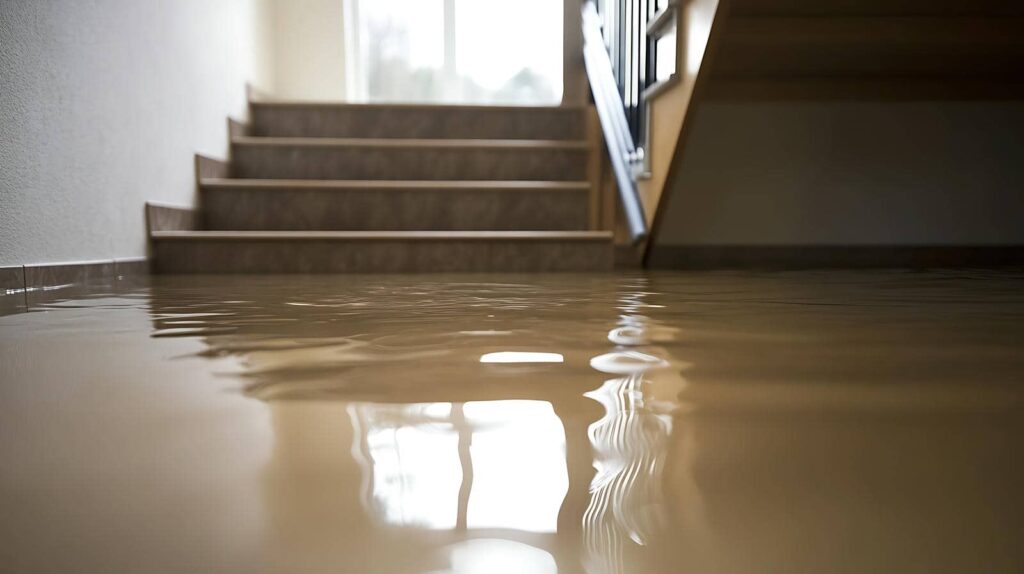
When you face a flooded basement, immediate action is essential to mitigate damage. Start by evaluating the extent of water damage and confirming your safety. You’ll need to turn off utilities, like electricity and gas, to avoid hazards. Once that’s done, you can begin removing standing water efficiently. But that’s just the beginning. There are several vital steps to follow to ensure your basement is restored properly and secured against future issues.
Key Takeaways
- Identify the water source and assess damage to prioritize cleanup efforts effectively.
- Turn off utilities, including electricity and gas, to ensure safety before beginning cleanup.
- Use a submersible pump to remove standing water quickly and efficiently.
- Clean and disinfect all affected surfaces with appropriate cleaning solutions to prevent mold growth.
- Maintain ventilation and utilize fans or dehumidifiers to expedite drying of the area.
Assessing the Extent of Water Damage
Before you begin the cleanup process, it’s essential to assess the extent of water damage in your basement. Start with water source identification; determine whether the flooding came from a burst pipe, heavy rainfall, or groundwater seepage. This understanding informs your cleanup strategy and helps you prevent future issues.
Next, conduct a thorough damage assessment. Inspect the walls, floors, and any stored items for signs of moisture or mold. Check the foundation for cracks or vulnerabilities that may have allowed water intrusion. Use a moisture meter to gauge the dampness in various materials—this will guide your drying efforts.
Document your findings, noting the severity and specific areas affected, as this can be vital for insurance claims. By taking these steps, you’re not just cleaning up; you’re ensuring a safer, drier environment for you and your family moving forward.
Safety Precautions Before Entering
Entering a flooded basement requires careful consideration of safety hazards. Before stepping in, prioritize flood safety by evaluating your surroundings.
Always wear protective gear, including waterproof boots, gloves, and a mask. This gear shields you from contaminated water and protects you from potential sharp objects lurking below the surface.
Ensure you have a reliable light source, as visibility can be severely compromised in such conditions. If the floodwater is deeper than a few inches, consider using a floatation device or a sturdy rope for added safety.
It’s essential to check for potential hazards, such as unstable structures or hidden electrical wires.
Turning Off Electricity and Gas
As you prepare to tackle the flooded basement, it’s crucial to turn off electricity and gas to prevent dangerous situations.
Begin by locating your main electrical panel, usually found in a utility room or basement. Flip the main circuit breaker to the “off” position, ensuring complete electrical safety. This step protects you from electrical shock as you work in the flooded area.
Next, identify your gas line, typically connected to your furnace or water heater. Locate the shut-off valve, which is often a lever or knob near the appliance. Turn it clockwise to close the valve, cutting off the gas supply and avoiding potential leaks.
If you’re uncertain about any steps, don’t hesitate to contact a professional. Taking these precautions safeguards your health and fosters a sense of community responsibility in ensuring a safe environment for you and others.
Removing Standing Water
To effectively remove standing water from your flooded basement, start by using a submersible pump, which is one of the most efficient tools for this purpose.
Make sure you connect the pump to a power source, keeping safety in mind. Once activated, the sump pump will draw out water quickly, considerably reducing the water level.
While waiting for the pump to finish, consider other water removal methods, such as using a wet/dry vacuum for any residual moisture. This ensures you eliminate all standing water effectively.
After the bulk of the water is removed, inspect the floor for damp spots.
Employ fans and dehumidifiers to expedite drying and prevent mold growth. Remember, the sooner you act, the better your chances of minimizing damage and restoring your basement.
With proper sump pump usage and diligent cleanup, you’ll reclaim your space and protect your home.
Salvaging Valuable Items
While you work to restore your flooded basement, salvaging valuable items should be a top priority.
Begin by creating a valuables inventory to track what can be saved. Handle items carefully to prevent further damage and consider the following restoration techniques:
Electronics: Disconnect and dry them thoroughly before evaluating for functionality.
Documents: Freeze wet papers immediately to prevent mold, then use specialized drying methods.
Furniture: Remove moisture and clean with appropriate materials to prevent warping.
As you evaluate each item, remember to document its condition and any restoration efforts made.
This will help you keep track of your belongings and assist with insurance claims.
Cleaning and Disinfecting Affected Areas
Once you’ve salvaged valuable items, it’s crucial to tackle the cleaning and disinfecting of the affected areas in your basement.
Start by gathering the necessary cleaning supplies, including gloves, masks, and sturdy buckets. Use a pump or wet vacuum to remove excess water, then scrub surfaces with a mixture of hot water and a neutral cleaning agent.
Next, focus on disinfecting. Choose effective disinfectant solutions that target mold, bacteria, and viruses. Apply these solutions to all surfaces, including walls, floors, and any furniture that was submerged.
Let the disinfectant sit for the recommended time to ensure efficacy.
Don’t forget to pay special attention to corners and crevices where moisture might linger.
Once you’ve thoroughly cleaned and disinfected, ensure proper ventilation to help with drying and to prevent future issues. Your diligence in this step is key to maintaining a safe and healthy environment in your basement.
Drying Out the Basement
Once you’ve cleaned and disinfected your basement, it’s vital to focus on drying out the space effectively.
Start by removing any standing water, as this is essential for preventing further damage and mold growth.
Afterward, increase ventilation flow and utilize dehumidifiers to maintain ideal humidity levels.
Remove Standing Water
To effectively remove standing water from your flooded basement, start by evaluating the situation and determining the safest method for extraction.
Consider using the right water removal techniques to ensure an efficient cleanup. If the water level is significant, a sump pump is often your best option.
Here’s what you can do:
- Use a submersible pump for deep water, which can quickly drain large amounts.
- Employ a wet/dry vacuum for smaller areas, allowing for precise removal.
- Check local regulations regarding wastewater disposal to ensure compliance.
Increase Ventilation Flow
As you work to dry out your basement, increasing ventilation flow is essential for preventing mold growth and further water damage. Implement effective ventilation techniques to enhance air circulation.
Open windows and doors to allow fresh air to enter and push out damp air. If possible, use fans strategically to direct airflow toward damp areas, promoting quicker drying.
Consider creating cross-ventilation by positioning fans opposite each other to maximize efficiency. Additionally, if your basement has vents, confirm they’re unobstructed to facilitate airflow.
Using an exhaust fan can also help remove humid air, further reducing moisture levels. By prioritizing these ventilation strategies, you’ll create an environment that discourages mold while accelerating the drying process in your basement.
Use Dehumidifiers Effectively
After enhancing ventilation flow, it’s important to incorporate dehumidifiers into your basement drying strategy.
These machines play a vital role in moisture control, effectively reducing humidity levels and preventing mold growth.
To maximize their effectiveness, consider the following tips:
Choose the Right Size: Confirm your dehumidifier matches the size of your basement for peak performance.
Adjust Dehumidifier Settings: Set the humidity level between 30-60% for efficient moisture control.
Regular Maintenance: Clean the filter and empty the water reservoir frequently to maintain airflow and functionality.
Inspecting for Mold Growth
While cleaning up a flooded basement, it’s crucial to inspect for mold growth, as moisture creates an ideal environment for mold spores to thrive.
Start by using effective mold identification techniques, such as visual inspections and odor detection. Look for discoloration on walls, ceilings, and any damp surfaces. If you notice any signs, consider using a moisture meter to assess hidden areas, as mold can develop behind walls or under carpets.
Implementing mold prevention strategies is equally important. Ascertain proper ventilation by using fans and keeping windows open when possible.
After your initial cleanup, treat affected areas with mold-resistant products to inhibit future growth. Don’t forget to regularly monitor humidity levels in your basement—aim for below 60% to deter mold.
Repairing Structural Damage
Once you’ve addressed mold concerns, it’s crucial to evaluate and repair any structural damage caused by flooding. The structural integrity of your home is paramount, so take immediate action.
Start by examining the walls, floors, and foundation for cracks, warping, or other signs of damage.
Consider these repair techniques:
- Reinforcing Walls: Use carbon fiber strips or steel beams to support weakened walls.
- Foundation Repair: Apply epoxy injections to fill foundation cracks and stabilize the structure.
- Floor Joist Replacement: Replace any compromised joists to maintain proper support and prevent sagging.
Document all findings and repairs for future reference.
Preventing Future Flooding Issues
To effectively prevent future flooding issues, it’s essential to assess and address potential vulnerabilities in your property’s drainage and waterproofing systems.
Start by inspecting your drainage systems for blockages or damage. Confirm that gutters and downspouts direct water away from your foundation, minimizing excessive moisture accumulation.
Consider installing a sump pump if you haven’t already. This device can dramatically reduce the risk of basement flooding by actively removing collected water. Regularly maintain your sump pump to verify it’s operational during heavy rains.
Additionally, evaluate your landscaping; sloping the terrain away from your home can further divert water.
If your area is prone to heavy rainfall or flooding, investing in flood barriers or backflow valves might be beneficial.
Taking these proactive steps will protect your home and foster a sense of belonging in your community, knowing you’re safeguarding your environment.
Frequently Asked Questions
How Can I Quickly Identify the Source of Flooding?
To quickly identify the water source, conduct a drainage inspection around your property. Check gutters, downspouts, and foundation cracks. Observing water flow patterns can reveal where the flooding originates, helping you address the issue effectively.
What Personal Protective Equipment Should I Wear During Cleanup?
You should wear safety gear like waterproof boots, gloves, and a mask. Protective clothing, such as coveralls, ensures you stay safe from contaminants. Prioritize your health during cleanup; it’s essential to minimize exposure to harmful substances.
Are There Professional Services Available for Basement Flooding?
Are you overwhelmed by flooding? Professional flood restoration services can efficiently handle water extraction and cleanup, ensuring your basement’s safety and integrity. They’ve got the expertise to restore your space, giving you peace of mind.
How Long Does It Typically Take to Dry Out a Basement?
It typically takes 3 to 5 days to dry out a basement using effective drying techniques and moisture control. You’ll want to monitor humidity levels closely to ensure proper, efficient drying throughout the process.
What Insurance Coverage Might Apply to Basement Flooding?
Your flood insurance typically covers damage from rising water, while standard homeowners’ policies might not. Review your coverage options, including endorsements or separate policies, to ensure you’re adequately protected against potential basement flooding risks.
Final Thoughts
In the aftermath of a flooded basement, swift action is your lifeline. By following these immediate solutions, you’ll restore your space and safeguard it against future storms. Remember, each step you take is like reinforcing your home’s armor, shielding it from the relentless forces of nature. Stay vigilant, monitor for mold, and invest in preventative measures. With diligence and care, you can turn a watery disaster into a resilient foundation for the future.