
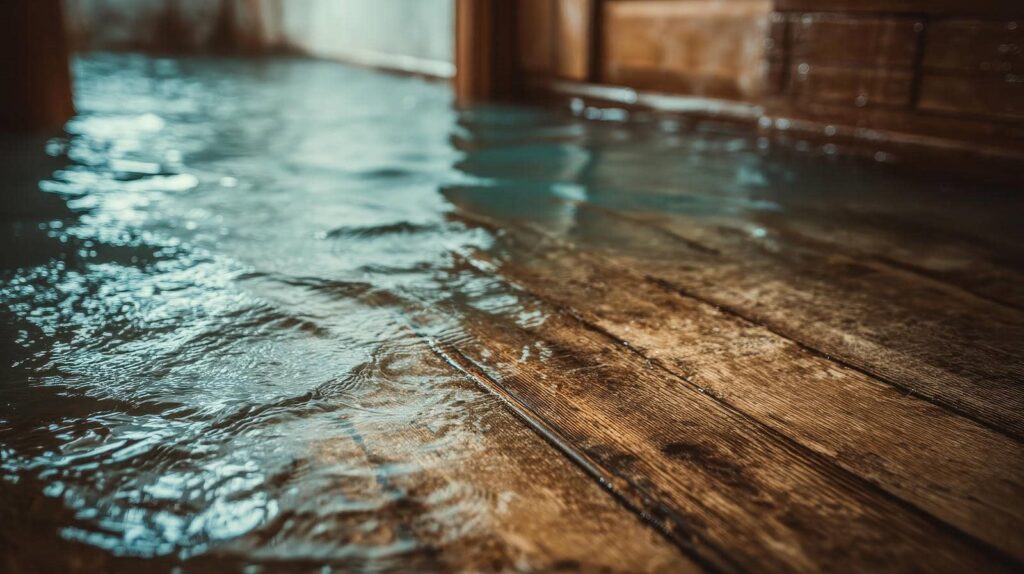
When faced with flooding, understanding how to effectively remediate your flooded homes can be the difference between a minor setback and a major disaster. It’s vital to approach the situation methodically, ensuring safety and thoroughness. Let’s explore some essential tips that can help you navigate the complexities of flood recovery effectively.
Key Takeaways
- Assess the water level and structural integrity before entering a flooded home to ensure safety.
- Utilize effective water extraction tools like pumps and wet/dry vacuums to remove standing water.
- Thoroughly dry the affected area within 24 to 48 hours to prevent mold growth.
- Discard contaminated materials such as waterlogged carpets, drywall, and furniture to avoid health risks.
- Seek professional help if extensive damage or mold growth is present, especially if unsure about cleanup processes.
Assessing the Extent of Water Damage
How do you determine the true extent of water damage in your home? First, evaluate the water level in affected areas. Look for visible signs like discoloration, peeling paint, or warped flooring. These indicators often signal deeper issues.
Next, use moisture detection tools; they’re essential for revealing hidden damp spots behind walls or under carpets. Remember, water can seep into structures, creating problems you mightn’t see immediately.
Pay attention to the source of the moisture, as it’ll guide your remediation efforts. You want to make certain that you’re not just treating the symptoms but addressing the root cause.
As you assess the damage, maintain an empathetic mindset—this process can feel overwhelming. You’re not alone in this journey; support exists.
Safety Precautions Before Entering
Before you step into a flooded home, assess its structural integrity to ensure your safety.
A compromised foundation or weakened walls can pose significant risks, so take your time to evaluate the surroundings.
Additionally, don’t forget to wear protective gear like gloves and boots to shield yourself from contaminants and hazards hidden in the debris.
Assess Structural Integrity
As you prepare to enter a flooded home, evaluating the structural integrity is essential for your safety.
Begin with a thorough structural assessment, checking for sagging floors, cracked walls, or any signs of shifting. These issues can indicate serious damage and potential collapse.
Familiarize yourself with local building codes, as they can guide you in identifying what’s safe and what’s not. Pay attention to any visible water damage, which may compromise the home’s stability.
It’s vital to approach this task with caution; remember that your safety comes first. Trust your instincts—if something feels off, it’s best to step back.
You’re not alone in this; communities often stand together in challenging times like these, supporting one another through recovery.
Wear Protective Gear
Protecting yourself is essential when entering a flooded home, and wearing the right protective gear can make all the difference.
Start with sturdy protective clothing that covers your arms and legs, guarding against sharp debris and contaminants. Waterproof boots are important, as they’ll keep your feet dry and safe from hidden hazards.
Don’t forget safety goggles; they’ll protect your eyes from murky water and any airborne particles that could cause injury. It’s easy to underestimate these precautions, but they’re critical in preventing health risks.
Remember, you’re not just protecting yourself; you’re setting an example for others in your community. By prioritizing safety, you foster a sense of belonging and shared responsibility in the recovery process.
Stay safe and resilient.
Essential Tools and Equipment for Cleanup
When tackling a flooded home, having the right tools and equipment is vital for an effective cleanup.
You’ll need reliable water extraction equipment, appropriate protective gear, and efficient drying tools to restore your space safely and thoroughly.
Understanding each of these essentials can greatly impact your remediation efforts and help you regain control of your environment.
Water Extraction Equipment
To effectively tackle the aftermath of flooding, having the right water extraction equipment is crucial for a successful cleanup. Begin with powerful pumps, which are essential for swiftly removing standing water. Consider submersible pumps for deep water and extractors for carpets and upholstery.
Employ wet/dry vacuums to tackle smaller areas and residual moisture. Familiarize yourself with various water extraction methods to choose the best one for your situation.
Don’t forget about equipment maintenance; keeping your tools in top condition ensures they function at their best when you need them most. Regularly check hoses, filters, and connections to avoid complications.
With the right equipment and proper upkeep, you can navigate this challenging process and restore your home to a safe, welcoming space.
Protective Gear Essentials
Equipping yourself with the right protective gear is essential for safely managing the cleanup of a flooded home. Start with durable protective gloves to shield your hands from sharp debris and harmful contaminants. These gloves provide a barrier and give you confidence as you navigate the mess.
Next, don’t forget safety goggles; they’re important for protecting your eyes from splashes and dust. Flood cleanup often involves unexpected hazards, and keeping your vision clear is critical for your safety.
Drying Tools Overview
Effective drying tools are essential for restoring a flooded home, and having the right equipment can make all the difference. Start with a reliable dehumidifier; consider various dehumidifier options based on the size of your space. For larger areas, a commercial-grade unit may be necessary to efficiently reduce humidity levels.
Pair this with appropriate air mover types, like centrifugal or axial fans, to expedite air circulation. Placing these tools strategically can help ensure every corner of your home dries uniformly, preventing mold growth.
Removing Standing Water Effectively
While dealing with standing water in your home can feel overwhelming, taking swift and deliberate action is vital for minimizing damage and preventing mold growth.
Start by evaluating the situation and gathering necessary tools like pumps, wet vacuums, and buckets. If the water is shallow, a wet vacuum can be incredibly effective for standing water removal. For deeper floodwaters, consider using submersible pumps to expedite the process.
Make sure you’re prioritizing effective drainage by directing water away from your home’s foundation. Using hoses or drainage pipes can help facilitate this.
Remember to disconnect any electrical appliances near the water to ensure safety. If the water is contaminated, wear protective gear to keep yourself safe.
This isn’t just about restoring your living space; it’s about reclaiming your sense of belonging. By tackling the standing water swiftly and efficiently, you’re taking the first essential step toward restoring your home and peace of mind.
Drying Out the Affected Areas
As you begin the drying process, it’s crucial to act quickly to prevent further damage and mold growth in your home.
You’ll want to focus on effective air circulation and make the right dehumidifier selection for your needs. Here are some key steps to follow:
- Open windows and doors to promote airflow.
- Use fans to direct air toward damp areas.
- Set up dehumidifiers strategically, ensuring they’re close to the most affected spots.
- Check humidity levels regularly to track progress.
Cleaning and Disinfecting Surfaces
Once you’ve dried out the affected areas, it’s essential to tackle the cleaning and disinfecting of surfaces to eliminate any lingering contaminants and prevent health risks.
Start by gathering effective cleaning products, making sure they’re suitable for the surfaces you’re treating. For non-porous surfaces like tiles or countertops, use a disinfectant that meets EPA standards.
Pay attention to high-touch areas, like doorknobs and light switches, as these can harbor germs.
Don’t forget to wear gloves and a mask while cleaning to protect yourself. After scrubbing surfaces, let the disinfectant sit for the recommended contact time to ensure thorough surface disinfection.
It’s important to approach this task with care and empathy for yourself and your loved ones. By taking these steps, you’re creating a safer environment, showing that you value your health and well-being.
Identifying and Removing Contaminated Materials
Identifying and removing contaminated materials is vital for restoring your home after a flood, especially since lingering contaminants can pose serious health risks.
To ensure you’re addressing all potential hazards, focus on identifying contaminants in the following areas:
- Carpets and rugs: If they’ve absorbed water, they’re likely beyond saving.
- Drywall and insulation: These materials can harbor mold and bacteria if soaked.
- Furniture and upholstery: If they’re waterlogged, consider their disposal.
- Personal items: Documents and mementos may need specialized cleaning or may be unsalvageable.
Once you’ve identified contaminants, it’s imperative to follow proper material disposal guidelines.
Use local waste management resources to ensure safe removal, and always wear protective gear to safeguard your health.
Taking these steps helps create a safe, welcoming space as you rebuild your life after the flood. Your home deserves to be a sanctuary again, free from hidden dangers.
Preventing Mold Growth After Flooding
To effectively prevent mold growth after flooding, it’s crucial to act quickly and decisively. Start by thoroughly drying out your home within 24 to 48 hours. Use fans and dehumidifiers to enhance air circulation, which helps reduce moisture levels. Open windows, if the weather permits, to promote fresh airflow.
Remove any wet materials, like carpets or drywall, as they can harbor mold. When cleaning, use a solution of water and detergent to scrub surfaces, and don’t forget to ventilate the area during this process.
Additionally, keep an eye on humidity levels; aim for below 60% to discourage mold growth. Regularly check hidden areas, like behind appliances or under sinks, for signs of moisture.
Seeking Professional Help When Necessary
How can you tell when it’s time to call in the professionals after experiencing flooding? While you might feel equipped to handle minor issues, some situations truly require expert intervention. Here are key indicators:
- Extensive Water Damage: If you see significant structural damage or water accumulation.
- Mold Growth: If mold appears within 24-48 hours, it’s best to seek professional restoration.
- Electrical Hazards: If water has compromised electrical systems, don’t risk it—get help.
- Uncertainty About Cleanup: If you’re unsure of how to proceed, professional services can guide you.
Utilizing your flood insurance may cover some of these costs, making professional assistance more accessible.
Remember, addressing flooding issues promptly with experts ensures the safety and longevity of your home, fostering a sense of belonging and security for you and your loved ones.
Don’t hesitate to reach out when needed; it’s an important step in your recovery journey.
Frequently Asked Questions
How Can I File an Insurance Claim for Flood Damage?
To file a flood insurance claim, document your damage thoroughly, complete your insurer’s claim process promptly, and submit all required paperwork. Staying organized can ease the stress and help you reclaim your peace of mind.
What Are the Signs of Structural Damage After Flooding?
You’ll notice signs like cracks in walls, doors that stick, or uneven floors. These indicate potential foundation integrity issues. Water intrusion can weaken structures, so it’s essential to assess and address these concerns promptly.
Can I Use Regular Household Cleaners After a Flood?
Think of your home as a wounded friend; regular household cleaners won’t cut through flood damage effectively. Embrace specialized cleaning solutions that ensure thorough sanitization, restoring safety and comfort to your space where you belong.
How Long Does It Typically Take to Fully Remediate a Flooded Home?
Typically, it takes several weeks to fully remediate a flooded home. The remediation timeline hinges on the drying process, which can vary based on humidity and damage severity, so patience is essential during this challenging time.
Are There Any Government Assistance Programs for Flood Victims?
Yes, there are federal aid programs and local resources available for flood victims. You should explore FEMA assistance, community grants, and nonprofit support, which can help you rebuild and regain stability during this challenging time.
Final Thoughts
In the aftermath of flooding, think of your home as a wounded body; it needs care to heal properly. Just as a doctor assesses injuries before treatment, you must evaluate water damage and act swiftly. Removing water, drying out spaces, and eliminating contaminants are crucial steps to prevent mold and further harm. If the damage is extensive, don’t hesitate to call in professionals. Remember, taking the right steps now safeguards your home’s health for the future.