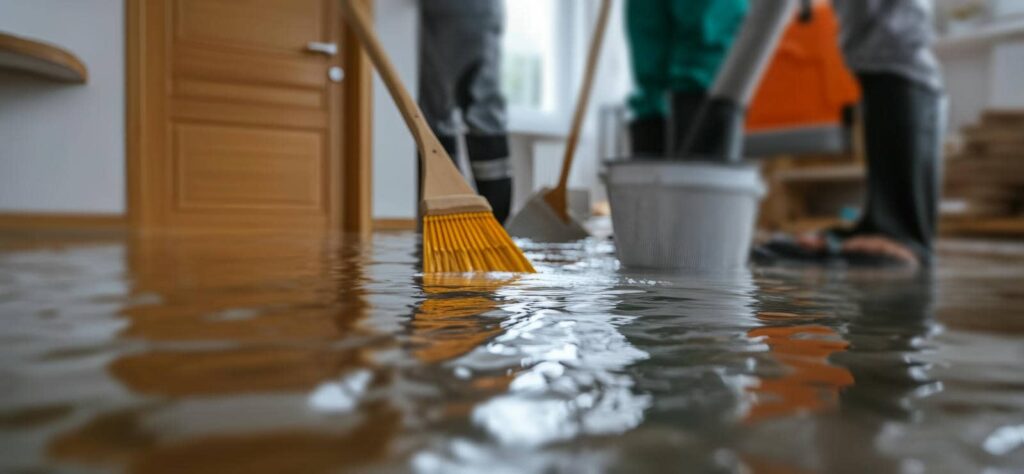
Water damage is like a ticking clock; every second counts when it comes to effective water extraction and drying methods. You need to understand the various techniques available, from suction extraction to portable extractors, and how they can work together. Professional drying equipment plays an essential role, but the timing of your actions can make all the difference. So, what advanced methods can ensure thorough moisture removal and safety in your space?
Key Takeaways
- Suction extraction is ideal for large-scale flooding and significant water damage using powerful pumps.
- Portable extractors are compact and designed for quick deployment in various environments.
- Dehumidifiers, including refrigerant and desiccant models, manage moisture levels post-extraction effectively.
- Advanced drying techniques like thermal and desiccant drying enhance efficiency in moisture removal.
- Timely water removal is crucial to prevent mold growth and further structural damage.
Types of Water Extraction Methods
When it comes to extracting water, various methods cater to different needs and conditions. One effective approach is suction extraction, which utilizes powerful pumps to remove water from affected areas. This method is particularly useful for large-scale flooding or significant water damage, ensuring thorough removal of moisture.
Portable extractors are another essential tool in your water extraction toolkit. These compact machines are designed for easy transport and quick deployment, making them ideal for residential spaces or hard-to-reach locations. They often combine suction extraction with drying capabilities, allowing you to address both water removal and moisture control effectively.
When selecting a method, consider factors like the extent of water damage, the type of environment, and your available resources. By understanding these extraction techniques, you’ll be better equipped to tackle water-related challenges and foster a sense of belonging within your community during recovery efforts.
Professional Drying Equipment Overview
Professional drying equipment plays an indispensable role in effectively managing moisture after water extraction. Among the most critical tools are dehumidifiers, which come in various types, including refrigerant, desiccant, and low-grain refrigerant models. Each type serves specific drying needs, helping to maintain ideal humidity levels and protect your property from further damage.
Moisture meters are another crucial component of your drying arsenal. These devices allow you to accurately measure moisture levels in materials like wood, drywall, or carpets. By utilizing moisture meters, you can determine when an area is dry enough to prevent mold growth and ensure complete recovery.
Investing in high-quality, professional-grade drying equipment enhances your efficiency and fosters a sense of community among those committed to restoring properties.
Importance of Timely Water Removal
Timely water removal is essential for minimizing damage and preventing secondary issues like mold growth. When you experience water damage, every minute counts. The longer you wait to act, the more extensive the damage can become, leading to costly repairs and prolonged restoration urgency.
Moisture can seep into walls, flooring, and personal belongings, creating an environment ripe for mold and mildew. By addressing water issues promptly, you reduce the risk of structural damage and preserve your valuable items.
It’s vital to have a clear action plan in place, enabling you to respond swiftly. Utilizing professional water extraction services can expedite this process, ensuring that moisture is thoroughly removed.
Advanced Drying Techniques
After addressing the immediate need for water removal, implementing advanced drying techniques is essential to ensure all residual moisture is removed.
These techniques, such as thermal drying and desiccant drying, offer efficient solutions for thorough moisture extraction, ensuring your space is safe and healthy.
- Thermal Drying: This method uses heat to evaporate moisture from materials, speeding up the drying process and minimizing damage.
- Desiccant Drying: Utilizing moisture-absorbing materials, this technique effectively draws out humidity from the air, making it ideal for enclosed spaces.
- Combination Approaches: Integrating both thermal and desiccant drying can maximize efficiency, especially in larger or more complex environments.
Safety Considerations During Water Damage Restoration
While addressing water damage, it’s essential to prioritize safety to protect yourself and others involved in the restoration process.
Begin by donning appropriate personal protective equipment (PPE), such as gloves, masks, and goggles, to guard against contaminants. This step is important, as you may encounter mold, bacteria, or hazardous materials during the cleanup.
Be mindful of slip hazards in wet areas; always maintain a clear path and use non-slip footwear. When handling cleaning agents, read labels carefully to understand any risks associated with chemical exposure. Ensure proper ventilation in enclosed spaces to minimize inhalation risks.
Additionally, consider electrical hazards when dealing with water and wet equipment. Disconnect power sources before beginning restoration work to prevent shocks.
Frequently Asked Questions
How Long Does the Water Extraction Process Typically Take?
The extraction duration typically ranges from a few hours to several days, depending on the methods used. Maximizing drying efficiency is essential, as it directly influences overall time and effectiveness in water removal processes.
Can I Perform Water Extraction Myself?
Yes, you can perform water extraction yourself using various DIY water removal techniques, but understanding the proper methods and equipment is essential. Approach it methodically to ensure effective results and avoid further damage to your space.
What Are the Signs of Hidden Water Damage?
You’ll notice signs of hidden water damage like discoloration, peeling paint, or warped flooring. Use moisture detection tools to identify hidden leaks, ensuring you address potential issues before they escalate into serious damage.
Is Mold a Concern After Water Extraction?
Yes, mold is a concern after water extraction. Mold growth can develop within 24-48 hours, posing significant health risks. It’s essential to thoroughly dry affected areas and monitor for any signs of mold development.
How Can I Prevent Future Water Damage?
To prevent future water damage, consider implementing waterproofing solutions and effective drainage systems. Isn’t it reassuring to know you can protect your space? Regular maintenance and monitoring ensure your home stays safe and dry.
Final Thoughts
Understanding key water extraction and drying methods is essential for effective restoration. By using advanced techniques and high-quality equipment, you can significantly reduce the risk of mold and ensure a safe environment. Just as ancient civilizations relied on aqueducts for water management, modern technology empowers you to tackle water damage swiftly and efficiently. Remember, timely action is critical; don’t let moisture linger and jeopardize your space. Prioritize your restoration efforts for long-lasting results.