
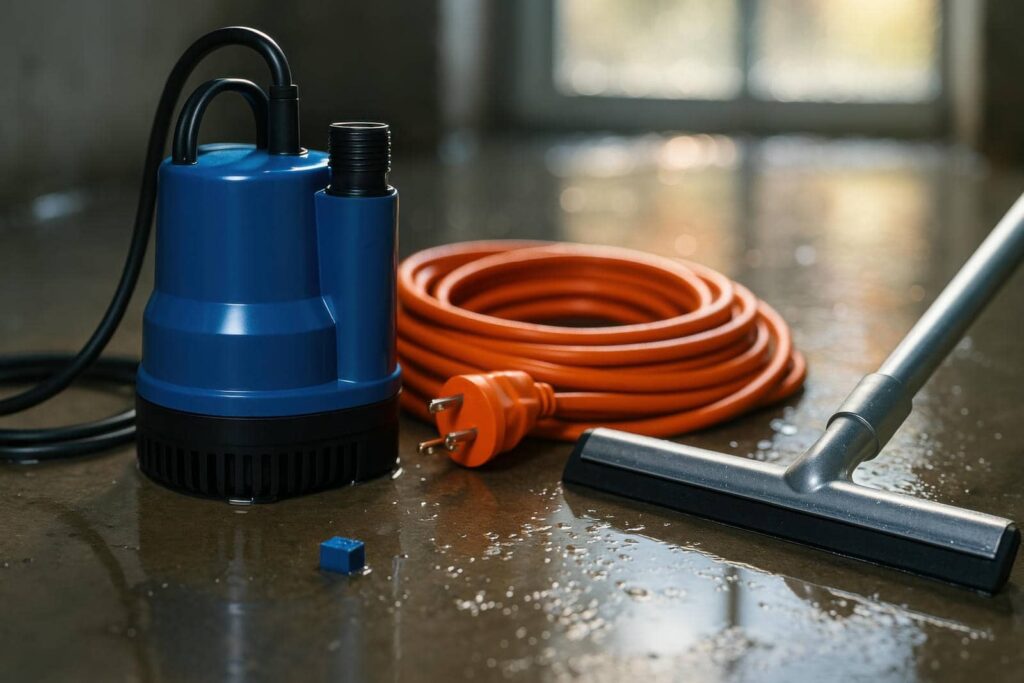
When a heavy rainstorm floods your basement, the clock starts ticking on damage control. You’ve got to act quickly to extract the water and prevent structural issues and mold growth. Understanding the best flood water extraction methods is essential for an effective response. From manual techniques to advanced equipment, each method plays a vital role in the recovery process. So, what options do you have at your disposal? Let’s explore them.
Key Takeaways
- Utilize electric submersible or centrifugal pumps for efficient removal of large volumes of water in flooded areas.
- Employ manual techniques like bucket brigades and siphoning when mechanical options are unavailable.
- Use wet/dry vacuums for portable and versatile extraction in small or confined spaces.
- Prioritize safety by wearing protective gear and assessing structural integrity before starting extraction.
- Act quickly to minimize water damage, as mold and structural issues can develop within 24 hours.
Understanding the Importance of Prompt Water Extraction
Understanding the importance of prompt water extraction can’t be overstated; within just 24 hours of flooding, structural damage and mold growth can begin.
When dealing with flood damage, you need to act swiftly to mitigate the risks associated with water contamination. Standing water can harbor harmful bacteria and pathogens, posing health risks to you and your loved ones.
By extracting water immediately, you prevent further structural deterioration and minimize the potential for mold development. Mold can thrive in damp environments and can spread rapidly, complicating your recovery efforts.
Using appropriate equipment, such as submersible pumps and industrial dehumidifiers, ensures thorough removal of water from affected areas.
This technical approach protects your property while fostering a sense of community by promoting safety and well-being.
Manual Water Extraction Techniques
After addressing the urgency of water extraction, it’s important to explore manual techniques that can be employed when mechanical options are unavailable or insufficient.
These methods can be effective, helping you regain control over a flooded space.
- Bucket Brigades: Organize a group to pass buckets from one person to another, transporting water to a designated area. This teamwork can notably speed up the process.
- Siphon Techniques: Use a hose to create suction and draw water from lower areas to higher ground. Confirm you have a steady flow by submerging the hose fully before releasing it.
- Wet/Dry Vacuum: If accessible, this tool can help remove standing water manually, but it requires physical effort and regular emptying.
Electric Pumps for Efficient Water Removal
When you’re facing floodwater, electric pumps are essential for efficient water removal.
You’ll find various types of electric pumps, each designed for specific applications and conditions.
Understanding their benefits will help you select the right pump to expedite the extraction process and minimize potential damage.
Types of Electric Pumps
While many factors influence effective flood water extraction, choosing the right electric pump is essential for efficient water removal.
You’ll want to take into account the following types:
- Submersible Pumps: Designed to operate underwater, these pumps excel in deep water removal, efficiently extracting water from basements and flooded areas.
- Centrifugal Pumps: These pumps use rotational energy to move water, making them ideal for larger volume extractions in less confined spaces.
- Diaphragm Pumps: These pumps are excellent for handling sludge and debris, ensuring you can tackle muddy water without clogging.
Benefits of Electric Pumps
Electric pumps offer several advantages that make them indispensable for efficient floodwater removal. First, their high flow rates enable rapid extraction, which minimizes damage to your property.
Additionally, electric pumps are typically lighter and more portable than their gas counterparts, allowing you to maneuver them easily in tight spaces.
When it comes to electric pump maintenance, they require less upkeep, as they don’t need oil changes or fuel refills. This saves you time and reduces long-term costs.
Their quiet operation is another benefit, making them suitable for residential areas.
Wet/Dry Vacuums: A Versatile Solution
When it comes to flood water extraction, wet/dry vacuums offer a versatile solution that can handle different types of liquids and debris.
Understanding the various types of wet/dry vacuums and their specific features will help you choose the right model for your needs.
Additionally, applying effective usage tips and techniques ensures peak performance during your extraction efforts.
Types of Wet/Dry Vacuums
Though various extraction methods exist, wet/dry vacuums stand out as a versatile solution for flood water removal.
When selecting a wet/dry vacuum, consider these types to match your needs:
- Portable Vacuums: Ideal for small spaces, these lightweight options offer sufficient vacuum power for quick clean-ups.
- Industrial Models: Designed for heavy-duty tasks, they provide exceptional suction capabilities, effectively handling large volumes of water.
- Battery-Powered Units: Perfect for remote locations, these vacuums combine convenience and mobility, ensuring you can tackle flooding anywhere.
Usage Tips and Techniques
To maximize the effectiveness of your wet/dry vacuum during flood water extraction, follow these essential tips and techniques.
First, verify your vacuum’s filters are clean and in good condition; clogged filters can impede suction power.
Employ efficient extraction techniques—start from the furthest corner and work your way towards the exit to prevent spreading water.
Keep an eye on the vacuum’s tank; empty it regularly to maintain peak performance.
After use, prioritize equipment maintenance by rinsing out the tank and cleaning the hoses to prevent mold growth.
Always check for any debris that could damage your vacuum.
Using Dehumidifiers for Post-Extraction Drying
As excess moisture lingers after water extraction, utilizing dehumidifiers becomes vital for effective drying. Proper dehumidifier placement is important for ideal moisture control.
Here are three key considerations to keep in mind:
- Positioning: Place dehumidifiers in areas with the highest humidity levels, typically near water-damaged zones.
- Airflow: Ensure there’s unobstructed airflow around the unit. This enhances efficiency, allowing the dehumidifier to extract moisture effectively.
- Capacity: Select a dehumidifier with the right capacity for the space. Larger areas may require multiple units to ensure thorough drying.
Advanced Water Extraction Equipment
While traditional water extraction methods can be effective, advanced water extraction equipment considerably enhances efficiency and speed in flood recovery efforts.
Utilizing advanced extraction technologies, you can tackle extensive water damage more swiftly and effectively. These powerful machines often feature automated water removal systems, allowing you to minimize manual labor and optimize results.
High-capacity pumps and truck-mounted units can extract large volumes of water in a fraction of the time compared to conventional methods.
Additionally, portable extraction devices offer versatility, letting you reach confined spaces where flooding occurs. Many of these advanced tools integrate sensors that monitor water levels, ensuring precise operation and preventing further damage.
Safety Precautions During Water Extraction
Before you start water extraction, it’s crucial to prioritize safety to protect yourself and others from potential hazards.
Here are three critical safety precautions to take into account:
- Wear Appropriate Safety Gear: Use waterproof boots, gloves, and face masks to shield yourself from contaminants and electrical hazards.
- Assess the Environment: Verify the area is safe to enter. Check for structural damage, exposed wiring, or hidden hazards that could pose risks during extraction.
- Know Emergency Procedures: Familiarize yourself with emergency protocols, including evacuation routes and communication methods.
Have a first aid kit readily available and make sure everyone on-site knows how to use it.
Frequently Asked Questions
How Long Does Water Extraction Typically Take?
Water extraction duration varies considerably, typically taking hours to days. Factors influencing time include the extent of flooding, water depth, and the equipment used. Understanding these elements helps you prepare for efficient recovery efforts.
Can I Extract Water Myself or Hire a Professional?
You can certainly attempt DIY extraction if you’re equipped and knowledgeable, but hiring professional services ensures thorough and safe water removal. Experts use specialized equipment, reducing the risk of damage and health hazards in your space.
What Are the Costs Associated With Flood Water Extraction?
Flood damage costs vary, but you’re looking at equipment rental fees, labor charges, and disposal costs. Investing in professional extraction equipment can save you time and ensure thorough, efficient water removal for your home.
How Can I Prevent Mold After Water Extraction?
To prevent mold after water extraction, ensure effective humidity control by using dehumidifiers and fans. Regularly monitor moisture levels and promptly address any leaks or damp areas to maintain a healthy environment and avoid mold growth.
Are There Specific Regulations for Water Extraction in My Area?
Yes, you’ll need to check local regulations regarding extraction permits. Each area has specific guidelines to ensure safety and compliance. It’s essential to follow these rules for successful water extraction and community well-being.
Wrap-Up
Prompt water extraction is vital; studies show that mold can begin to grow within 24 to 48 hours after flooding. By combining manual techniques with electric pumps and wet/dry vacuums, you can effectively minimize damage and accelerate recovery. Always prioritize safety and consider advanced equipment for larger areas. Remember, the faster you act, the better your chances of preserving your property and preventing long-term issues. Don’t underestimate the power of efficient water extraction!