
When it comes to structural repairs after flooding, can you really afford to overlook the hidden costs? Understanding the full financial impact requires a careful assessment of damage, materials, and labor. From inspection fees to mold remediation, each aspect can notably influence your budget. As you consider these factors, it’s essential to know what your insurance covers and what expenses you’ll need to handle yourself. The numbers might surprise you.
Key Takeaways
- Structural repair costs vary widely, often ranging from $300 to $1,000 for initial assessments based on property size and complexity.
- Labor and material costs depend on the extent of damage and compliance with local building codes, with durable materials being more expensive.
- Electrical and plumbing repairs are critical, with costs influenced by damage severity and necessary upgrades for safety compliance.
- Mold remediation expenses can vary significantly based on infestation extent, with professional help ensuring effectiveness but increasing overall costs.
- Understanding insurance coverage and managing out-of-pocket expenses is essential for effectively budgeting for repairs after a flood.
Understanding the Extent of Flood Damage
How can you accurately assess the extent of flood damage to your property? Start by evaluating the flood impact on structural elements, such as walls, foundations, and roofs.
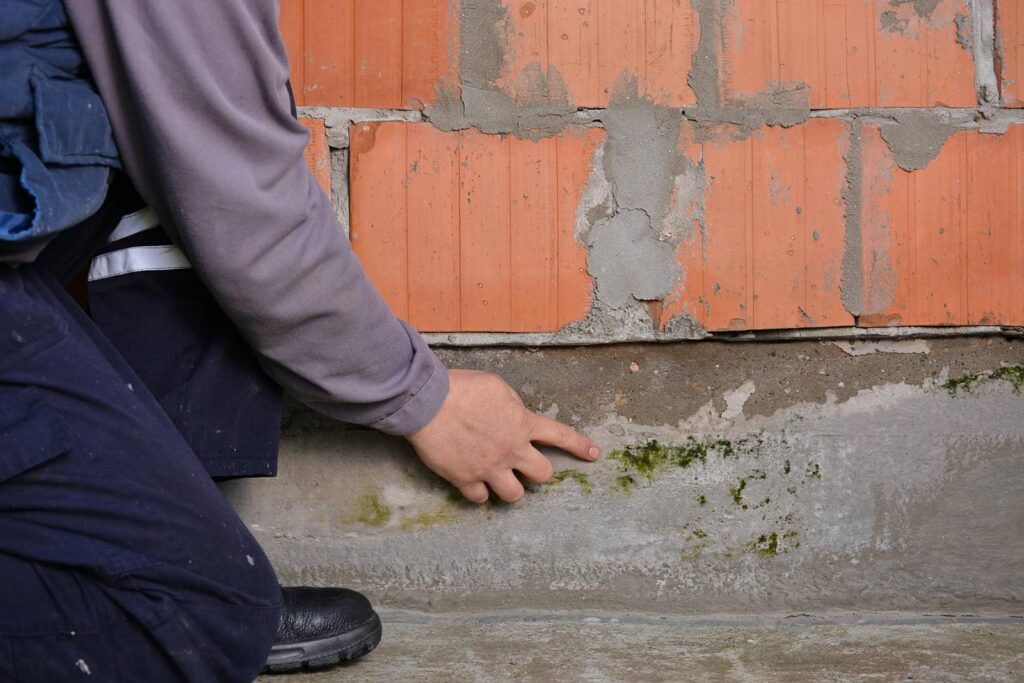
Look for visible signs like cracks, warping, or discoloration, which indicate damage severity. Use a moisture meter to check hidden areas, as water can linger and cause further deterioration.
Document your findings with photos and detailed notes, ensuring you capture all affected areas. This systematic approach clarifies the extent of the damage and assists in future repair planning.
Engage with professionals who specialize in flood recovery to gain insights on potential long-term effects.
Initial Assessment and Inspection Costs
When you assess flood damage, professional inspection fees are a critical component of your costs.
Utilizing effective damage assessment techniques can help identify the extent of structural issues, guiding your repair strategy.
Understanding these initial costs is essential for budgeting and planning your recovery process.
Professional Inspection Fees
Professional inspection fees play an essential role in evaluating the damage caused by flooding, with initial assessment and inspection costs typically ranging from $300 to $1,000, depending on the property’s size and complexity.
Investing in a professional inspection ensures you receive an accurate inspection certification and cost estimation, leading to informed decisions for repairs.
Consider these aspects when budgeting for inspection fees:
- Property Size: Larger properties may require more extensive evaluations.
- Complexity of Damage: Complicated structural issues necessitate deeper inspections.
- Location: Fees can vary based on regional demand and expertise.
- Inspector Qualifications: Certified professionals may charge higher rates for their expertise.
Understanding these factors can help you prepare financially for necessary repairs.
Damage Assessment Techniques
After securing a professional inspection, you’ll need to understand the various damage assessment techniques utilized to evaluate flooding impacts.
Effective damage evaluation methods often include visual inspections, moisture mapping, and thermal imaging. These techniques help identify hidden damage and moisture levels, essential for an accurate flood impact analysis.
Moisture mapping pinpoints areas that may require further investigation, while thermal imaging reveals temperature variations indicative of water intrusion. Engaging professionals skilled in these assessment techniques ensures you capture the full extent of structural damage, avoiding costly oversights.
Structural Repair Materials and Labor
Structural repairs following flooding require careful selection of materials and skilled labor to ensure long-term stability and safety.
Understanding the right repair material types and labor cost estimates can greatly impact your project’s success and budget. Here are key considerations:
Material Durability: Ensure materials like treated lumber, concrete, and steel can withstand future water exposure.
Moisture Resistance: Opt for waterproof sealants and finishes to protect against mold and deterioration.
Local Regulations: Familiarize yourself with local building codes that dictate acceptable repair materials.
Labor Skills: Hire experienced contractors familiar with flood repair to ensure proper installation and compliance.
Electrical and Plumbing Repairs
When dealing with flooding, addressing electrical and plumbing repairs promptly is important to prevent further damage and secure safety.
Water exposure can compromise your electrical systems, leading to hazardous conditions. It’s essential to conduct thorough plumbing inspections to identify any leaks or damage to pipes that may have resulted from the flood.
You’ll want to prioritize electrical upgrades to make sure your system meets current safety standards. This may involve replacing damaged outlets, circuit breakers, or wiring that could pose a risk.
Additionally, consider installing ground fault circuit interrupters (GFCIs) in areas prone to moisture.
For plumbing, repairing or replacing affected fixtures like sinks, toilets, and water heaters is significant.
Engaging licensed professionals for these repairs can help mitigate risks and ensure compliance with local codes.
Mold Remediation Expenses
Since mold thrives in damp environments, addressing mold remediation expenses promptly is vital following a flood. Ignoring mold growth can lead to serious health issues and structural damage, making it critical to act quickly.
Here are some key factors influencing your remediation costs:
Extent of Infestation: The more extensive the mold growth, the higher the costs.
Remediation Techniques: Different techniques, such as HEPA vacuuming or chemical treatments, have varying price points.
Labor Costs: Hiring certified professionals can increase expenses but ensures effective removal.
Preventative Measures: Implementing moisture control solutions post-remediation can add to initial costs but prevents future issues.
Foundation Repair Costs
Foundation repair costs can vary considerably based on several critical factors following flooding. To ensure foundation stability, you must assess the extent of damage and select appropriate repair techniques.
Common methods include underpinning, slab jacking, and piering, each with distinct price ranges. Depending on your location and the severity of the flooding, costs can range from a few thousand to tens of thousands of dollars.
Factors influencing these costs include soil conditions, accessibility to your property, and the size of the affected area. It’s crucial to obtain multiple quotes from certified contractors who can provide a thorough evaluation.
Additionally, consider the long-term implications of your repair choices—investing in high-quality materials and skilled labor can minimize future risks and maintain your home’s structural integrity.
Ultimately, understanding these factors will help you make informed decisions, ensuring your foundation remains stable for years to come.
Interior Finishing and Restoration
After a flood, addressing interior finishing and restoration is essential to restore your home’s livability and aesthetic appeal. Effective interior design plays a critical role in this process, ensuring that your space feels welcoming again.
Here are four key areas to focus on:
Drywall Replacement: Remove damaged drywall and install new sheets, ensuring proper sealing.
Flooring Restoration: Assess and replace water-damaged flooring, considering moisture-resistant options for durability.
Painting and Finishing: Use mold-resistant paint to revitalize walls while enhancing the overall aesthetic.
Cabinet and Fixture Repair: Check cabinetry and fixtures for damage; repair or replace as needed to maintain functionality.
Utilizing appropriate restoration techniques restores your home and promotes a sense of belonging.
Permitting and Inspection Fees
Once you’ve tackled interior finishing and restoration, the next step is maneuvering the permitting and inspection fees associated with rebuilding after a flood.
Understanding the permitting process is essential; it ensures your project complies with local codes and regulations. You’ll need to submit detailed plans, which might require hiring professionals to meet inspection requirements.
Fees can vary greatly based on your location and the scope of your project. Budgeting for these costs upfront can prevent unexpected delays.
It’s wise to check with local authorities early on to clarify what permits you need and the associated fees. Additionally, scheduling inspections at predetermined phases can help you avoid potential fines or rework down the line.
Insurance Coverage and Out-of-Pocket Expenses
While traversing the aftermath of a flood, understanding your insurance coverage is essential for managing out-of-pocket expenses.
You’ll need to navigate your insurance policies and claim processes carefully to minimize financial strain. Here are four key aspects to reflect on:
Coverage Limits: Know the maximum amount your policy will pay for structural repairs.
Deductibles: Understand the amount you’ll need to pay out-of-pocket before your insurance kicks in.
Exclusions: Familiarize yourself with what isn’t covered by your policy, which could lead to unexpected costs.
Claim Filing Timeline: Be aware of deadlines for filing claims to ensure you receive the benefits you’re entitled to.
Frequently Asked Questions
How Long Does the Structural Repair Process Typically Take?
The structural repair process typically takes several weeks to months, depending on the repair timeline and project phases. You’ll want to collaborate closely with contractors to ensure timely progress and address any potential delays effectively.
Can I Do Repairs Myself to Save Money?
You can definitely tackle DIY repairs for substantial cost savings, but remember, it’s not a walk in the park. Assess your skills and the project complexity to ensure you don’t bite off more than you can chew.
What Are Common Hidden Costs During Repairs?
During repairs, you’ll encounter hidden damage that might not be visible initially. Repair inspections often reveal additional issues, leading to unexpected costs. Always budget for these possibilities to avoid financial surprises down the line.
Is It Necessary to Hire a Structural Engineer?
Yes, hiring a structural engineer’s essential. Their engineering expertise provides a thorough structural assessment, ensuring your property’s safety and integrity. You’ll have peace of mind knowing professionals are guiding your repair decisions effectively.
How Can I Prevent Future Flooding Damage?
To prevent future flooding damage, consider that homes with proper drainage systems experience less water damage. Installing flood barriers and enhancing drainage can greatly reduce risks, ensuring your home’s safety and longevity.
Wrap-Up
Understanding the costs of structural repairs after flooding is essential for effective budgeting. On average, homeowners can expect to spend between $7,000 and $25,000 for repairs, depending on the severity of the damage. This range emphasizes the importance of a thorough inspection and accurate assessment. Remember, while insurance might cover some expenses, it often leaves gaps that can lead to significant out-of-pocket costs, so always be prepared for the unexpected.