
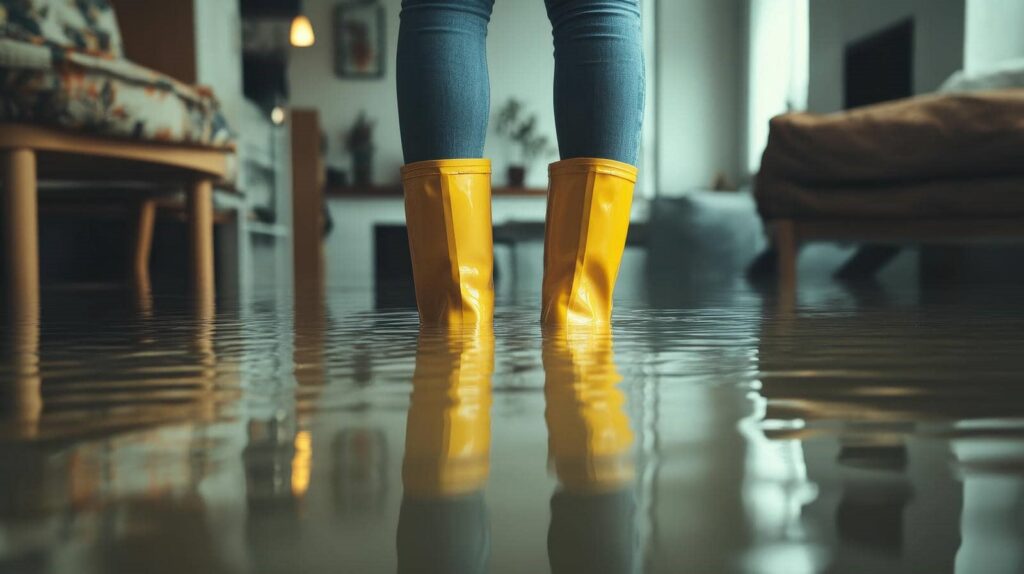
Water damage cleanup is often covered by insurance due to its unpredictable nature and potential for significant financial loss. Most homeowners’ policies recognize the urgency of addressing such incidents to prevent further complications, like mold growth. However, understanding the specifics of coverage, including types of policies and common exclusions, is essential. What factors should you consider when maneuvering your insurance options for water damage?
Key Takeaways
- Water damage cleanup is typically covered to mitigate further damage and reduce repair costs, protecting both property and personal belongings.
- Insurance policies often include coverage for sudden and accidental water damage, offering financial support during emergencies.
- Timely cleanup helps prevent health risks, like mold growth, which can lead to more extensive claims and complications.
- Coverage for cleanup aligns with the insurance principle of restoring the property to its original state after unforeseen events.
- Homeowners’ insurance aims to provide peace of mind and financial security against unexpected water-related incidents, including necessary cleanup efforts.
Understanding Water Damage Coverage
How well do you understand your water damage coverage? A thorough water damage assessment is essential to grasp the extent of your protection.
Start by reviewing your insurance policy and identifying specific terms related to water damage. Look for exclusions and limitations, as these can greatly affect your coverage.
Conducting an insurance policy comparison can help you determine if your current plan meets your needs or if you should consider alternatives. Not all policies are the same; some cover specific types of water damage while others may exclude certain incidents entirely.
Understanding the nuances of your coverage empowers you and brings peace of mind. You want to feel confident that you’re protected against unexpected water-related issues.
Types of Water Damage Insurance Policies
While traversing the landscape of water damage insurance policies, it’s vital to recognize that not all coverage options are created equal. Homeowners’ insurance typically covers sudden and accidental water damage, such as a burst pipe, but it often excludes flooding. For that, you’ll need flood insurance, which specifically addresses damage from rising water.
When considering your policy, understand that water restoration costs can vary markedly based on the type of damage. Some policies might only cover structural damage, while others may include personal property loss.
Additionally, you might find options for additional living expenses if you’re temporarily displaced.
It’s important to read the fine print and consult with your insurance agent to ensure you have the right mix of coverage. This way, you can protect your home and belongings, securing peace of mind in the face of potential water damage challenges.
Common Causes of Water Damage
Water damage often stems from two primary sources: plumbing system failures and severe weather events.
When pipes burst or leaks occur, you may face significant damage to your property.
Similarly, heavy rainfall or flooding can quickly lead to extensive water issues, making it essential to understand these common causes for effective prevention and response.
Plumbing System Failures
When a plumbing system fails, it can lead to significant water damage in your home, often catching you off guard.
To minimize this risk, regular plumbing maintenance and thorough pipe inspections are essential.
Common causes of plumbing failures include:
Corroded pipes: Over time, pipes can deteriorate, leading to leaks.
Clogged drains: Blockages can create pressure that causes pipes to burst.
Faulty fixtures: Malfunctioning faucets and toilets can waste water and cause damage.
Severe Weather Events
Severe weather events can cause extensive water damage, often surpassing the risks posed by plumbing failures. Hurricanes, heavy rainfall, and floods can overwhelm drainage systems, leading to significant property destruction.
It’s essential for homeowners to prioritize flood preparedness by understanding the risks specific to their region. Developing a storm resilience plan, including proper drainage and landscaping, can mitigate damage.
When these events occur, the impact can be devastating, making insurance coverage critical. Policies may cover structural damage as well as the costs associated with cleanup and restoration efforts.
The Role of Homeowners Insurance
Homeowners insurance plays an essential role in protecting you from the financial burden of water damage cleanup.
Understanding your policy is vital for effective management of homeowner responsibilities, especially when facing water damage issues.
Here are three key aspects of homeowners insurance regarding water damage:
Covers Cleanup Costs: Your policy typically covers the costs associated with water damage cleanup, which can be extensive.
Policy Limits: Be aware of your policy limits, as they dictate how much coverage you receive. Exceeding these limits can leave you financially vulnerable.
Prompt Reporting: Timely reporting of water damage is critical for ensuring your claim is processed smoothly and efficiently.
Exclusions and Limitations in Coverage
Understanding the exclusions and limitations in your homeowners insurance policy is essential for effectively managing water damage claims. Many policies have specific exclusions examples, such as flooding from natural disasters or sewer backups, which may not be covered.
These exclusions can catch you off guard if you’re not aware of them.
Additionally, limitations on coverage can affect the amount you receive for repairs. For instance, some policies may cap the payout for specific types of damage, so it’s vital to review your policy’s fine print.
The Claims Process for Water Damage
When dealing with water damage, understanding your policy coverage is essential for a smooth claims process.
You need to know what specific damages are covered and the steps required to file a claim effectively.
This knowledge facilitates quicker resolution and ensures you maximize your benefits.
Understanding Policy Coverage
While managing the claims process for water damage, it’s crucial to grasp the specific coverage outlined in your insurance policy. Understanding your policy details can greatly influence your approach to cleanup efforts.
Pay close attention to the following aspects:
Coverage limits: Know the maximum amount your insurer will pay for water damage claims.
Types of coverage: Distinguish between different coverages, such as dwelling, personal property, and additional living expenses.
Exclusions: Identify any exclusions that might affect your claim, such as specific causes of water damage that aren’t covered.
Filing a Claim
How do you navigate the claims process for water damage effectively?
Start by documenting the damage with clear photos and notes. This evidence will be vital when you file your claim.
Next, contact your insurance provider to initiate the claim process. Familiarize yourself with relevant insurance terminology, such as “deductible” and “exclusions,” to communicate effectively.
Be prepared to provide details about the incident, including when it occurred and what caused it. Your insurer may require a visit from an adjuster to assess the damage.
After submitting your claim, follow up regularly to ensure it’s being processed. Understanding these steps fosters a smoother experience, helping you feel more connected and supported throughout this challenging time.
Importance of Timely Cleanup and Restoration
Timely cleanup and restoration after water damage are essential, as delays can exacerbate the situation and lead to more extensive issues.
When you act quickly, you emphasize the restoration importance, ensuring your space returns to its original state with minimal disruption. This timely intervention can prevent further complications such as mold growth and structural damage.
Consider the following benefits of prompt action:
Mold Prevention: Moisture creates an ideal environment for mold, which can develop within 24-48 hours.
Cost Savings: Addressing water damage quickly often results in lower repair costs and less invasive measures.
Health Protection: Standing water and damp conditions can lead to health risks, including respiratory issues.
Documenting Damage for Insurance Claims
To effectively navigate the insurance claims process after water damage, you need to meticulously document the extent of the damage. Start by taking clear photographs of all affected areas, ensuring to capture both wide shots and close-ups. This visual evidence is essential in supporting your claim.
Next, create a detailed list of damaged items, including their estimated worth and any receipts or purchase records you have. This insurance documentation strengthens your case and provides clarity to the adjuster reviewing your claim.
Additionally, note the date and time of the incident, along with any actions you took to mitigate further damage. This information showcases your proactive approach and can influence the outcome of your claim.
Tips for Preventing Future Water Damage
While it’s impossible to completely eliminate the risk of water damage, implementing preventive measures can considerably reduce your chances of experiencing costly incidents.
Regular home maintenance is essential for effective water damage prevention. Here are three key tips to keep your home safe:
Inspect plumbing regularly: Look for leaks or corrosion in pipes and fix them promptly to avoid unexpected failures.
Maintain gutters and downspouts: Make certain they’re clear of debris to direct water away from your foundation and prevent pooling around your home.
Monitor humidity levels: Use dehumidifiers in damp areas, like basements, to control moisture and reduce the risk of mold growth.
Frequently Asked Questions
Does Water Damage Coverage Apply to Rental Properties?
Yes, water damage coverage typically applies to rental properties under rental property insurance. However, be aware of potential water damage exclusions that may limit your claims, so review your policy details carefully to ensure thorough protection.
How Long Does the Claims Process Typically Take?
The claims process typically takes a few weeks, but processing delays can extend the timeline. Factors like documentation completeness and the insurer’s workload affect how quickly you’ll receive your claim decision and payment.
Are There Specific Coverage Limits for Water Damage Claims?
Yes, there are coverage limits for water damage claims. Your policy may also have exclusions that affect what’s covered, so it’s essential to review your insurance details to understand the specific limitations and conditions.
Can I Choose My Own Restoration Contractor?
Yes, you can choose your own restoration contractor. However, review your policy carefully, as some insurers may have preferred providers. Understanding your contractor selection options ensures you get the best restoration services available for your needs.
What Happens if I Don’T Report Water Damage Promptly?
“Time waits for no one.” If you don’t report water damage promptly, you risk insurance implications, like claim denial or reduced coverage, potentially leading to costly repairs that could’ve been avoided with timely action.
Conclusion
Understanding your water damage coverage is vital for protecting your home and finances. With the right policy, you can tackle unexpected incidents swiftly and effectively. Have you considered the potential consequences of ignoring water damage? By being proactive and informed about your insurance options, you safeguard your property and preserve your peace of mind. Remember, timely cleanup and restoration are essential in preventing further damage and ensuring your home remains a safe haven.