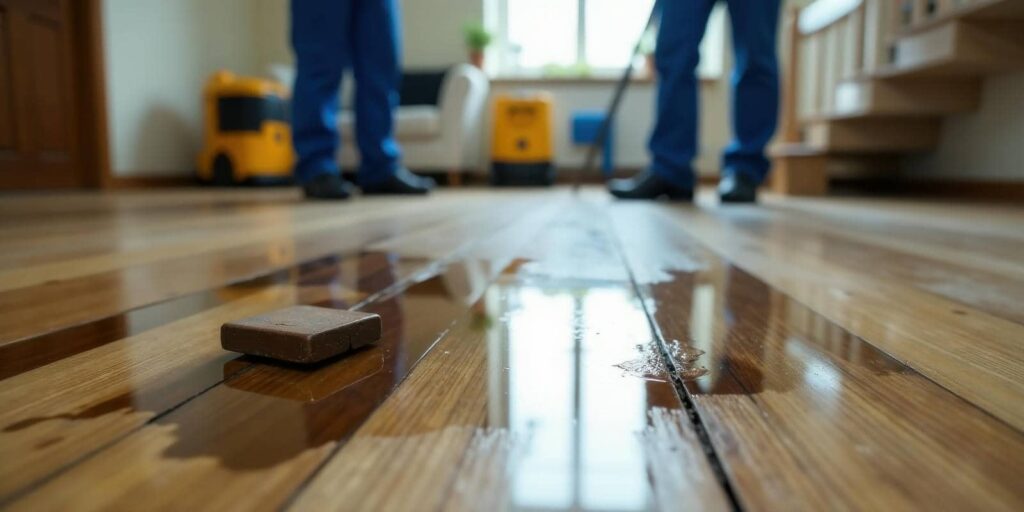
Imagine a burst pipe flooding your basement within minutes. If you wait too long to address the issue, water can seep into walls and flooring, leading to mold growth and structural damage. Rapid water extraction strategies are vital in minimizing these risks. Understanding the importance of timely removal and the tools available can greatly affect your property’s safety and value. How do you ensure you’re prepared for such emergencies?
Key Takeaways
- Rapid water extraction prevents further structural damage, minimizing repair costs and protecting property value.
- Swift response reduces the risk of mold growth, enhancing indoor air quality and health safety.
- Immediate action lowers overall restoration expenses, improving insurance claim outcomes and reducing out-of-pocket costs.
- Quick extraction fosters a healthier living environment and supports long-term property maintenance.
- Efficient water removal enhances the effectiveness of remediation efforts, preserving the integrity of personal belongings.
Importance of Timely Water Removal
When you’re faced with water damage, acting quickly is essential to mitigate further loss. The timeliness significance of water removal can’t be overstated; delays can lead to structural damage, mold growth, and increased repair costs.
In an emergency response scenario, every minute counts. Water can seep into materials, compromising their integrity and fostering an environment conducive to mold and mildew, which can pose health risks.
By prioritizing rapid water extraction, you protect your property and safeguard your loved ones and belongings. Research indicates that effective water removal within the first 24 to 48 hours drastically reduces the potential for long-term damage.
As a result, having a reliable plan and knowing whom to call for immediate assistance is vital. By taking swift action, you create a sense of community support, as you engage professionals who share your goal of restoring your space to its original condition.
Assessing the Extent of Water Damage
After ensuring prompt water removal, the next step involves evaluating the extent of water damage. A thorough water assessment is essential for effective damage evaluation and helps you understand the full impact of the incident.
Here’s how you can approach this process:
- Inspect Affected Areas: Check floors, walls, and ceilings for signs of water intrusion and structural integrity.
- Check for Mold Growth: Look for mold or mildew, as these can indicate prolonged moisture presence.
- Evaluate Contents: Assess personal belongings and furnishings to determine what can be salvaged or needs replacement.
- Use Moisture Meters: Employ tools to measure moisture levels in various materials, ensuring accurate damage assessment.
Advanced Equipment for Efficient Extraction
To effectively manage water extraction, you need to utilize high-powered extraction machines that considerably reduce moisture levels.
Innovative drying technologies can enhance efficiency, ensuring surfaces dry quickly and preventing further damage.
Additionally, quick response equipment enables you to address water issues promptly, minimizing the impact on affected areas.
High-Powered Extraction Machines
High-powered extraction machines represent a pivotal advancement in the domain of efficient water removal, showcasing capabilities that greatly enhance operational speed and effectiveness.
When you utilize high-powered vacuums, you’re not just improving extraction techniques; you’re transforming the entire process.
Here are four key benefits:
- Rapid Water Removal: Speed is essential; these machines can extract water much faster than traditional methods.
- Increased Efficiency: Their powerful suction reduces the need for multiple passes, saving time and energy.
- Improved Drying Conditions: By removing water quickly, they create a better environment for subsequent drying efforts.
- Versatile Applications: From residential to commercial, these machines adapt to various extraction needs.
Embracing this technology means enhancing your capabilities and achieving better results in water removal.
Innovative Drying Technologies
As water extraction techniques advance, innovative drying technologies have emerged as essential tools for maximizing efficiency and effectiveness in water removal.
These innovative methods, such as heated air drying, desiccant dehumidification, and infrared drying, greatly enhance drying efficiency. For instance, heated air drying accelerates evaporation rates, while desiccant systems effectively reduce humidity levels, ensuring faster results.
Implementing these technologies shortens drying times and minimizes the risk of mold and structural damage. You’ll find that investing in advanced drying equipment can lead to improved project outcomes and higher customer satisfaction.
Quick Response Equipment
Effective drying technologies set the stage for implementing quick response equipment, which plays a vital role in efficient water extraction.
When you’re faced with water emergencies, having the right tools at hand can make all the difference. Here are four essential pieces of quick response equipment to take into account:
- High-capacity Pumps: Quickly remove large volumes of water.
- Industrial Fans: Enhance airflow, speeding up the drying process.
- Dehumidifiers: Control humidity levels to prevent mold growth.
- Moisture Meters: Accurately assess moisture levels for effective remediation.
Integrating these tools into your emergency preparedness plan ensures you’re ready to act swiftly, minimizing damage and restoring affected areas efficiently.
Embracing quick response equipment fosters a sense of community resilience in challenging times.
Techniques for Rapid Water Removal
When you face a situation requiring rapid water removal, employing a combination of techniques can greatly enhance efficiency and effectiveness.
Start by utilizing powerful pumps for quick extraction; submersible and diaphragm pumps are excellent water removal methods for various scenarios. Additionally, consider using wet/dry vacuums, which are versatile and can address smaller areas effectively.
In tandem with these extraction techniques, applying absorbent materials like towels or specialized pads can help tackle residual moisture.
If the situation permits, using fans and dehumidifiers accelerates the drying process, reducing the risk of mold growth.
Also, don’t overlook the importance of proper containment; sealing off affected areas can prevent spreading water to unaffected zones.
Safety Considerations During Water Extraction
While you focus on rapid water extraction, prioritizing safety is crucial to prevent accidents and health hazards.
Implementing effective safety protocols and conducting thorough hazard identification can make all the difference. Here are four key considerations to keep in mind:
- Personal Protective Equipment (PPE): Always wear appropriate PPE, including gloves, masks, and waterproof boots, to minimize exposure to contaminants.
- Electrical Safety: Confirm all electrical equipment is safe and dry before use to prevent electrocution or equipment failure.
- Structural Integrity: Assess the area for potential structural damage. Avoid working in unstable conditions that could pose a risk of collapse.
- Emergency Procedures: Familiarize yourself with emergency protocols and confirm first aid kits are readily available.
The Role of Professional Services
Engaging professional services in rapid water extraction can greatly enhance both efficiency and safety. When you choose experts, you’re tapping into their professional expertise, ensuring the extraction process adheres to industry standards. This not only mitigates risks but also accelerates recovery time, allowing you to return to normalcy quickly.
Service reliability is another vital factor; skilled professionals utilize advanced equipment and techniques, maximizing effectiveness while minimizing potential damage to your property. Their experience enables them to identify underlying issues that may not be immediately visible, preventing future complications.
Moreover, hiring professionals fosters a sense of community, as you’re relying on individuals committed to helping others navigate challenging situations. By choosing to work with trusted professionals, you’re not just ensuring a more efficient process; you’re also investing in peace of mind and long-term safety for your home or business.
Long-term Benefits of Quick Response
When you respond quickly to water damage, you greatly reduce the risk of mold growth, which can pose health risks and lead to costly remediation.
Additionally, prompt action helps preserve the structural integrity of your property, preventing long-term damage that could require extensive repairs.
Ultimately, swift responses can lower overall restoration costs, making it a financially sound strategy.
Prevent Mold Growth
To effectively prevent mold growth, a quick response to water intrusion is essential, as it greatly reduces the chances of long-term damage.
Rapid water extraction helps in mold prevention and ensures effective moisture control in your space.
Here are four key benefits of acting swiftly:
- Reduced Mold Spore Growth: Mold thrives in damp conditions, so eliminating moisture quickly limits its development.
- Lower Health Risks: Fast action minimizes exposure to mold-related health issues for you and your loved ones.
- Cost Savings: Early intervention helps avoid expensive mold remediation processes down the line.
- Preserved Indoor Air Quality: Maintaining a dry environment supports a healthier atmosphere in your home.
Preserve Structural Integrity
While many homeowners may underestimate the impact of rapid water extraction, acting swiftly can greatly preserve the structural integrity of your property.
When water infiltrates your home, it can compromise foundational elements and weaken materials. A thorough structural assessment after a flood or leak is vital; it helps identify potential damage before it escalates.
By quickly removing water, you minimize the risk of deterioration and maintain essential water barriers that protect against future moisture issues. This proactive approach safeguards your home’s structure while enhancing its longevity and value.
Reduce Restoration Costs
Rapid water extraction doesn’t just protect your home’s structural integrity; it can also considerably reduce restoration costs in the long run.
By addressing water damage promptly, you can implement effective cost-saving methods that minimize financial implications. Here’s how quick response pays off:
- Less extensive damage: Immediate extraction limits the spread of water and reduces overall damage.
- Lower repair costs: Quick action means fewer repairs, saving you money on materials and labor.
- Reduced mold growth: Preventing mold saves on potential remediation costs and health-related expenses.
- Insurance benefits: Quick response can lead to better insurance claims, lowering your out-of-pocket expenses.
Frequently Asked Questions
How Does Rapid Extraction Prevent Mold Growth?
Rapid extraction helps you control moisture levels effectively, reducing the environment in which mold thrives. By quickly removing standing water, you minimize dampness, thereby considerably lowering the risk of mold growth and enhancing your living space’s safety.
Can I Perform Water Extraction Myself?
You can perform DIY extraction, but it’s essential to take safety precautions seriously. Without proper equipment and knowledge, you risk worsening damage, just like Icarus flying too close to the sun. Choose wisely.
What Are the Costs Associated With Rapid Water Extraction?
The costs associated with rapid water extraction include a detailed cost breakdown of extraction equipment, labor, and potential disposal fees. Investing in high-quality equipment ensures efficiency, reduces long-term costs, and enhances overall effectiveness in water management.
How Quickly Should I Call for Professional Help?
When disaster strikes, don’t hesitate—call for professional help immediately. Quick emergency response minimizes damage. A timely assessment ensures you address issues effectively, preventing further complications and fostering a sense of security for everyone involved.
What Are the Signs of Hidden Water Damage?
You’ll notice signs of hidden water damage through discoloration on walls, musty odors, or warped surfaces. Utilize moisture detection tools to uncover hidden leaks, ensuring you address potential issues before they escalate into costly repairs.
Summary
Utilizing rapid water extraction strategies is like wielding a shield against the relentless tide of damage. By acting swiftly, you protect your property and cultivate a safer, healthier environment. Each moment counts; the sooner you respond, the more you safeguard your home’s value and comfort. Embracing advanced techniques and equipment transforms a potential disaster into a manageable situation, ensuring your space remains a sanctuary rather than a battleground against water’s destructive force.