When water inundates your property, using top water extraction methods is essential to mitigate damage. These techniques expedite the removal process and prevent secondary issues like mold growth. Understanding the various methods available can make all the difference in protecting your home and ensuring a swift recovery. What factors should you consider when selecting the right approach?
Key Takeaways
- Top water extraction methods minimize damage and restore safety quickly during flooding events.
- Efficient extraction techniques prevent complications like mold growth by removing excess water promptly.
- Professional-grade equipment enhances extraction efficiency, speeding up the recovery process.
- Advanced technology, such as infrared cameras, allows for targeted removal of hidden water pockets.
- Utilizing submersible pumps and industrial dehumidifiers ensures thorough treatment of affected areas.
Understanding the Importance of Water Extraction
When flooding occurs, effective water extraction becomes essential to minimize damage and restore safety in affected areas. You’ll find that prompt action can greatly reduce water damage, preventing further complications like mold growth and structural weakening.
Understanding various extraction techniques helps you navigate the recovery process efficiently.
First, assess the water’s source and type; whether it’s clean, gray, or black water influences your approach. Utilize submersible pumps for large volumes and wet vacuums for smaller spaces.
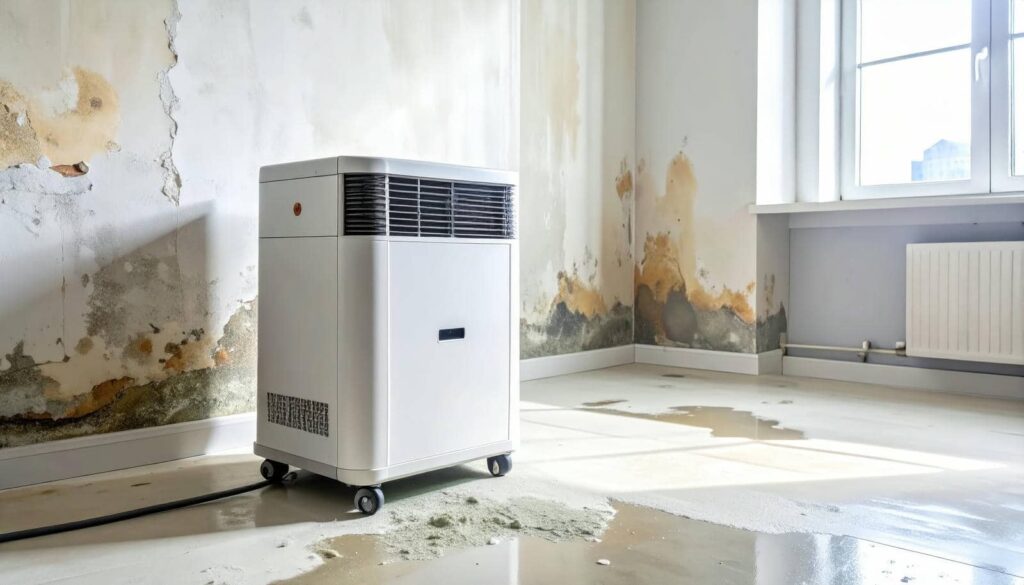
Additionally, employing dehumidifiers speeds up drying, ensuring moisture doesn’t linger in hidden areas.
Overview of Top Water Extraction Methods
Effective water extraction methods are essential for tackling flooding challenges head-on. You’ll find a variety of water extraction technologies designed to quickly remove standing water and minimize damage. Submersible pumps are a staple in this arena, efficiently drawing water from flooded areas.
For more delicate situations, portable extractors utilize powerful suction to pull moisture from carpets and upholstery.
Innovative drying methods complement these extraction technologies, ensuring spaces dry thoroughly and quickly. High-velocity air movers circulate air to expedite evaporation, while dehumidifiers extract excess moisture from the air, preventing mold growth.
Additionally, infrared cameras can help identify hidden water pockets, allowing for targeted extraction and drying efforts.
Benefits of Using Professional Water Extraction Services
When you choose professional water extraction services, you’re accessing expert equipment specifically designed for efficient water removal.
This advanced technology speeds up the extraction process while mitigating potential damage to your property.
Expert Equipment Utilization
Although many homeowners might consider tackling water extraction on their own, utilizing professional services equipped with advanced technology offers significant advantages.
Professional water extraction teams use expert equipment types, such as high-capacity pumps and industrial-grade dehumidifiers, which are designed to remove water quickly and efficiently. This technology ensures thorough extraction and minimizes the risk of secondary damage, such as mold growth.
Advanced technology enables professionals to accurately assess moisture levels, ensuring that every affected area is treated. By relying on these experts, you can feel confident that your home will be restored effectively, preserving its integrity and value.
In the end, partnering with professionals fosters a sense of community and support during a challenging time.
Rapid Damage Mitigation
While flooding can cause significant distress and damage to your property, using professional water extraction services can drastically reduce both.
These experts remove standing water and implement effective moisture control measures to prevent further issues like mold growth. By acting swiftly, they minimize damage and help preserve your home’s integrity.
Professional services utilize advanced techniques and equipment for flood prevention, ensuring your property is thoroughly dried and restored. This rapid damage mitigation gives you peace of mind, knowing your home is in capable hands.
Connecting with professionals fosters a sense of community, as you work together to restore your space and protect it from future flooding. Trusting experts is essential for lasting results and safety.
Techniques for Effective Water Removal
When it comes to effective water removal, understanding the right techniques is essential.
You’ll want to explore vacuum extraction methods, which offer precision in removing standing water, and familiarize yourself with various pumping techniques that cater to different scenarios.
Additionally, consider natural drying solutions to complement mechanical methods and ensure thorough moisture elimination.
Vacuum Extraction Methods
As you tackle the aftermath of flooding, vacuum extraction methods stand out as some of the most effective techniques for water removal.
These methods utilize various vacuum types, such as wet/dry vacuums and truck-mounted systems, to maximize extraction efficiency. By creating a powerful suction, they can efficiently remove standing water and moisture from affected areas, including carpets and subfloors.
It’s crucial to select the right vacuum type based on the severity of the flooding and the materials involved. For example, wet/dry vacuums are excellent for smaller spaces, while truck-mounted systems cater to larger areas with rapid extraction capabilities.
Implementing these methods ensures a thorough and swift response, helping you restore your space and regain peace of mind.
Pumping Techniques Overview
To effectively tackle water removal in the aftermath of flooding, understanding pumping techniques is essential.
You’ll want to start with submersible pumps, which are ideal for deep water and offer high pumping efficiency. Consider diaphragm pumps, too; they’re great for handling debris-laden water.
When selecting a pump, assess your flood response strategy—think about the water volume and depth. Proper placement and maintenance of your equipment can greatly enhance efficiency, reducing downtime.
Use multiple pumps if necessary to expedite the process. Additionally, always monitor power sources to ensure consistent operation.
Natural Drying Solutions
While pumping techniques provide a solid foundation for immediate water removal, natural drying solutions play an essential role in the thorough recovery process.
By harnessing natural evaporation, you can effectively control moisture levels in your space. Here are three key techniques to take into account:
Ventilation: Open windows and doors to facilitate airflow, helping to accelerate the drying process.
Dehumidifiers: Use these devices to extract excess moisture from the air, promoting a drier environment and preventing mold growth.
Sunlight Exposure: Utilize sunlight by removing furniture or items near windows. Sunlight can greatly aid in drying out surfaces naturally.
The Role of Equipment in Water Extraction
Effective water extraction relies heavily on specialized equipment designed to tackle the unique challenges posed by flooding. You’ll find that the right tools greatly enhance equipment efficiency, allowing you to remove water more quickly and effectively.
Portable pumps, for instance, are essential for extracting large volumes of water in flooded areas. They utilize advanced extraction technology to achieve maximum performance, ensuring that even the most stubborn water is removed.
Dehumidifiers and air movers complement these pumps by addressing residual moisture, which can lead to mold growth if not managed properly. When you invest in high-quality equipment, you’re not just speeding up the extraction process; you’re also safeguarding your property and health.
It’s vital to select equipment tailored to your specific situation, as this ensures the extraction process is both effective and efficient. By understanding the role of equipment, you empower yourself to tackle flooding challenges head-on.
Safety Precautions During Water Extraction
Water extraction can pose various hazards, making safety precautions a top priority. Before you begin, make certain you’re equipped with the right safety gear and are familiar with emergency protocols.
Here are three essential safety measures to follow:
Wear Protective Equipment: Always don rubber boots, gloves, and masks to prevent exposure to contaminants. This gear is vital for your health and safety.
Assess Electrical Hazards: Before entering flooded areas, check for downed power lines or submerged electrical equipment. Turn off power sources to avoid electrocution risks.
Maintain Communication: Keep a charged phone nearby and let someone know your location. This ensures that help can reach you quickly if needed.
Long-Term Solutions After Water Extraction
After extracting water from your property, addressing the underlying issues that contributed to the flooding is crucial for preventing future incidents.
Begin with a thorough water damage restoration assessment to identify any lingering moisture that could lead to mold growth or structural damage. Investing in moisture control systems, such as dehumidifiers and proper ventilation, can greatly reduce humidity levels.
Additionally, consider upgrading your drainage systems to redirect water away from your foundation. Installing sump pumps or French drains can be an effective long-term solution.
Regularly inspecting your roof, gutters, and downspouts ensures that they function properly, preventing water accumulation.
Finally, landscaping adjustments, like grading your yard away from your home, can help divert rainwater.
These proactive measures foster a safer environment, giving you peace of mind and a sense of belonging to a community that values resilience against flooding.
Frequently Asked Questions
How Quickly Should Water Extraction Begin After a Flood?
You should begin water removal within 24 to 48 hours after a flood to minimize flood damage. Quick action prevents mold growth and structural issues, ensuring a safer, healthier environment for you and your loved ones.
Can I Perform Water Extraction Myself?
You can perform DIY extraction, but be cautious. Water damage can worsen if not managed properly. Invest in a quality pump, wear protective gear, and ensure thorough drying to prevent mold growth and further issues.
What Are Signs of Mold Growth After Water Extraction?
You’ll notice signs of mold growth, like musty odors, discoloration on walls, or increased humidity. Mold identification is essential, as it poses health risks, including respiratory issues. Act quickly to address any potential problems.
How Do I Choose a Water Extraction Service?
To choose a water extraction service, evaluate their qualifications and expertise in various water extraction techniques. Check reviews, certifications, and response times to ensure you’re selecting a reliable team that meets your needs.
What Insurance Covers Water Extraction Services?
Homeowners with flood insurance have coverage limits that can cover water extraction services. Check your policy to verify you’re protected; it often includes essential services after flooding, safeguarding your home and belongings.
Review
In the aftermath of flooding, embracing top water extraction methods is like giving your home a lifeline. By swiftly removing water and mitigating damage, you’re not just protecting your property; you’re nurturing a healthier living environment. Investing in professional services and advanced equipment ensures you’re not just treading water but sailing toward recovery. As you navigate this challenging journey, remember that effective water extraction is your beacon of hope for a safe and resilient home.