
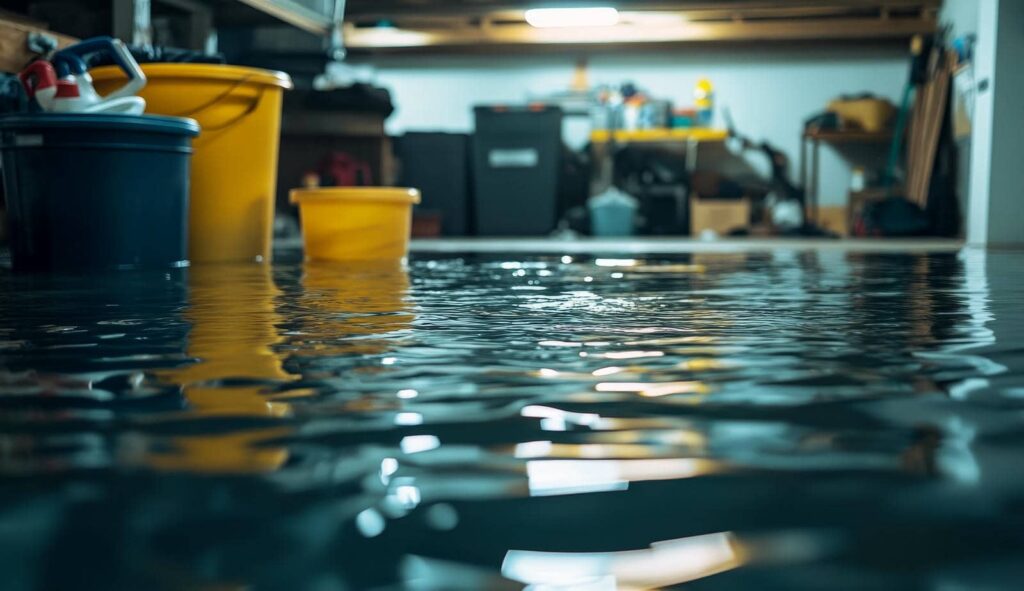
When faced with water damage, swift action is vital for minimizing damage and preventing mold growth. The process can seem overwhelming, but by following a systematic approach, you can effectively tackle the cleanup. Understanding each step is key to restoring your space. Let’s explore the essential tips you need for an efficient water damage cleanup.
Key Takeaways
- Assess the damage immediately by identifying the water source and checking for discoloration or mold growth.
- Swiftly remove standing water using sump pumps or wet/dry vacuums to prevent further damage.
- Dry out affected areas thoroughly, including hidden spots behind appliances, to eliminate residual moisture.
- Clean and disinfect all surfaces to prevent mold growth and salvage personal belongings for insurance documentation.
- Repair damaged structures by ensuring they are dry before installation and adhering to local building codes.
Assess the Damage Immediately
As soon as you notice water damage, it’s crucial to evaluate the situation quickly to prevent further complications.
Start your damage evaluation by pinpointing the water source. Is it a burst pipe, a leaking roof, or perhaps an overflowing appliance? Identifying the origin will help you understand the extent and type of damage.
Next, check all affected areas, including walls, floors, and ceilings. Look for discoloration, warping, or mold growth, which can indicate longer-term issues.
Use a moisture meter to measure the levels in various materials, as this will guide your cleanup efforts.
Document your findings with photographs and notes; this information can be invaluable for insurance claims and future reference.
Turn Off Electricity and Gas
Before you start any cleanup, prioritize your safety by turning off the electricity and gas.
Locate the main shutoffs for both utilities to prevent potential hazards like electrical shocks or gas leaks.
Ensuring these systems are disabled allows you to work safely in a potentially dangerous environment.
Safety First
When tackling water damage cleanup, prioritizing safety is essential, so you must first turn off electricity and gas in the affected area.
Begin by locating your circuit breaker and main gas shutoff, ensuring they’re completely off. This helps prevent electrical shocks and gas leaks, which can be dangerous in flooded conditions.
Next, equip yourself with protective gear, including gloves and waterproof boots, to shield against contaminants.
Make sure your emergency contacts are readily accessible, in case you need immediate assistance from professionals.
By taking these precautions, you create a safer environment for yourself and others involved in the cleanup process.
Always remember, your safety is your top priority, so don’t rush—handle each step methodically.
Locate Main Shutoffs
To ensure safety during water damage cleanup, you must locate and turn off the main shutoffs for electricity and gas immediately.
First, identify your shutoff locations. The electrical shutoff is usually found in your circuit breaker panel; flip the main breaker switch to “off.”
For gas, locate the gas meter typically near your home’s exterior. Familiarize yourself with valve types; most residential gas meters use a manual valve that you can turn clockwise to close.
If you’re unsure, consult your utility provider for guidance. Taking these steps prevents hazards like electric shock or gas leaks.
Always prioritize your safety, and that of those around you—your home and loved ones depend on it.
Remove Standing Water
Swiftly removing standing water is essential to prevent further damage and mold growth. Start by evaluating the situation, and choose effective water extraction methods suitable for the volume of water present.
If you have substantial flooding, consider sump pump installation, which can efficiently remove large amounts of water.
- Use a wet/dry vacuum for smaller areas to quickly suck up water.
- Make sure you’re wearing protective gear to avoid health hazards from contaminants.
- Check for hidden pockets of water, as stagnant areas can lead to mold.
Dry Out Affected Areas
After you’ve removed standing water, drying out affected areas becomes essential to prevent secondary damage and mold proliferation.
Start by conducting thorough moisture monitoring to assess the extent of the water intrusion. Use a moisture meter to identify hidden damp spots in walls, floors, and ceilings.
Next, focus on water extraction techniques to eliminate residual moisture. Make certain you’ve addressed all affected materials, including carpets and padding, which can retain water. If these materials are saturated, consider removing them to facilitate airflow and expedite the drying process.
Additionally, inspect and dry out hidden areas like behind appliances or inside cabinets. This attention to detail minimizes the risk of mold growth.
As you work through the drying process, continue to monitor moisture levels to ensure you achieve a dry environment. You’re not just cleaning; you’re protecting your home and creating a safer space for everyone.
Use Fans and Dehumidifiers
Once you’ve effectively dried out the affected areas, using fans and dehumidifiers can greatly enhance the drying process.
Proper fan placement is essential to ensure that air circulates efficiently throughout the space. Position fans to blow air directly towards the damp areas, and create a cross-breeze by opening windows if possible.
Adjust your dehumidifier settings to a lower humidity level, ideally between 30-60%. This helps extract moisture from the air, speeding up the drying process.
- Monitor humidity levels regularly to track progress.
- Verify the dehumidifier is placed centrally in the affected area for peak performance.
- Run fans and dehumidifiers continuously for 24-48 hours or until moisture levels stabilize.
Clean and Disinfect Surfaces
Cleaning and disinfecting surfaces affected by water damage is essential to prevent mold growth and ensure a safe environment.
Start by wearing protective gear, including gloves and a mask, to safeguard yourself during the cleanup process. Use appropriate cleaning agents, such as a mixture of water and a mild detergent, to remove dirt and debris.
For effective surface sanitation, consider using a solution with at least 70% isopropyl alcohol or a bleach solution (1 cup of bleach per gallon of water) for non-porous surfaces. Apply your chosen cleaning agent to the affected areas, allowing it to sit for several minutes to effectively kill pathogens.
Don’t forget to thoroughly rinse surfaces afterward, ensuring that no cleaning residue remains. Finally, dry the surfaces completely to discourage moisture retention, which can lead to further issues.
Inspect for Mold Growth
Even with surfaces cleaned and disinfected, it’s essential to inspect for mold growth, as moisture can linger in hidden areas.
Mold can develop within 24 to 48 hours after water exposure, leading to various mold types that pose health risks, including respiratory issues and allergic reactions.
To effectively inspect for mold, focus on the following:
- Check hidden areas: Look behind walls, under carpets, and in crawl spaces where moisture may accumulate.
- Identify mold types: Be aware of common species like black mold and Aspergillus, which can differ in toxicity and health impact.
- Monitor for signs: Pay attention to musty odors or visible discoloration, which may indicate mold presence.
Salvage Personal Belongings
As you assess the extent of water damage, prioritizing the salvage of personal belongings is essential to minimize loss.
Start by identifying items with high sentimental value, such as photographs, heirlooms, and important documents. Carefully remove these items from the affected area, avoiding further exposure to moisture.
For textiles, like clothing or linens, wash them promptly in hot water and dry them thoroughly to prevent mold growth.
For electronics, turn them off immediately and disconnect them from power sources. If possible, consult a professional for personal item recovery, as they can help restore functionality.
When handling furniture, check for structural integrity; if necessary, consult a specialist for restoration.
Document everything you salvage, including photographs, to aid in insurance claims and sentimental value preservation.
Repair Structural Damage
After securing your personal belongings, it’s time to address the structural damage caused by water intrusion. Assess the affected areas to verify that the structural integrity of your home is maintained. Start by identifying weakened beams or joists. Use effective repair techniques to restore strength and stability.
- Replace damaged drywall: Verify walls are dry before installing new materials.
- Reinforce weakened beams: Consider adding support brackets or sistering new lumber to existing beams.
- Inspect and repair flooring: Check for mold and replace any rotting subflooring to prevent further issues.
Document your repairs for future reference and insurance claims.
Prevent Future Water Damage
To prevent future water damage, you need to focus on three key areas: regular roof inspections, proper drainage installation, and sealing foundation cracks.
Conducting routine checks on your roof helps identify potential leaks before they become serious issues.
Additionally, ensuring that your drainage systems are adequate and sealing any cracks in your foundation will greatly reduce the risk of water intrusion.
Regular Roof Inspections
Regular roof inspections are essential for preventing future water damage, especially since small issues can escalate into significant problems if left unchecked.
By prioritizing roof maintenance, you ensure that potential leaks are detected early, saving you time and money in the long run.
During your inspections, keep an eye out for:
- Cracked or missing shingles that can permit water intrusion.
- Accumulation of debris in gutters can hinder proper drainage.
- Signs of mold or discoloration indicate moisture retention.
Taking these steps protects your home and fosters a sense of community as you share tips and experiences with neighbors.
Regular inspections are a proactive measure that helps you maintain a safe and dry living environment for you and your family.
Install Proper Drainage
Ensuring your property has proper drainage systems is essential to prevent future water damage.
Start by evaluating the natural water flow around your property. Identify low-lying areas where water tends to accumulate and consider installing French drains or surface drains to redirect this flow.
Gutters and downspouts should be regularly cleaned and positioned to direct water away from your foundation. Additionally, make sure that your yard slopes away from the house, promoting effective water management.
Regularly inspect these systems to confirm they function correctly, especially after heavy rainfall.
Seal Foundation Cracks
Sealing foundation cracks is essential for preventing future water damage in your home. By addressing these cracks promptly, you not only protect your property but also enhance its overall integrity.
Here’s how to effectively perform foundation sealing and crack repair:
- Identify the Source: Inspect for water entry points around your foundation to prevent recurring issues.
- Choose the Right Material: Use high-quality epoxy or polyurethane sealants specifically designed for crack repair.
- Monitor and Maintain: Regularly check your foundation for new cracks or signs of water damage, ensuring long-term effectiveness.
Frequently Asked Questions
How Can I Tell if My Insurance Covers Water Damage?
To determine if your insurance covers water damage, review your insurance policy for specific coverage limits. Check for terms related to water damage and consult your agent for clarification on any exclusions or conditions.
What Types of Mold Are Most Common After Water Damage?
After water damage, you’ll commonly encounter black mold, Aspergillus, and Penicillium. Employ mold identification techniques to detect them early, and implement mold prevention strategies like ventilation and dehumidification to safeguard your space effectively.
How Long Does It Take for Mold to Develop After Flooding?
Mold can start developing within 24 to 48 hours after flooding. To prevent it, you should dry out affected areas quickly and follow mold prevention tips, ensuring you’re part of a healthy, safe environment.
Can I Use Regular Household Cleaners for Mold Removal?
You can use regular household cleaners for mold removal, but they may not be effective against stubborn mold. For better results, consider specialized cleaning solutions designed to prevent mold and ensure thorough application to eliminate spores.
What Are the Health Risks Associated With Water Damage?
Water damage can lead to serious health issues, including respiratory problems and allergies. You should take preventative measures, like addressing leaks promptly, using dehumidifiers, and ensuring proper ventilation to protect your well-being and home environment.
Conclusion
As you step back and survey your clean, restored space, the air feels lighter, almost invigorating. You’ve turned chaos into calm, ensuring every corner is dry, every surface sparkling. By taking these essential DIY steps, you’ve fortified your home against future water damage, much like a sturdy fortress standing proud against the storm. Now, with peace of mind, you can breathe easy, knowing you’ve salvaged your belongings and safeguarded your sanctuary.