
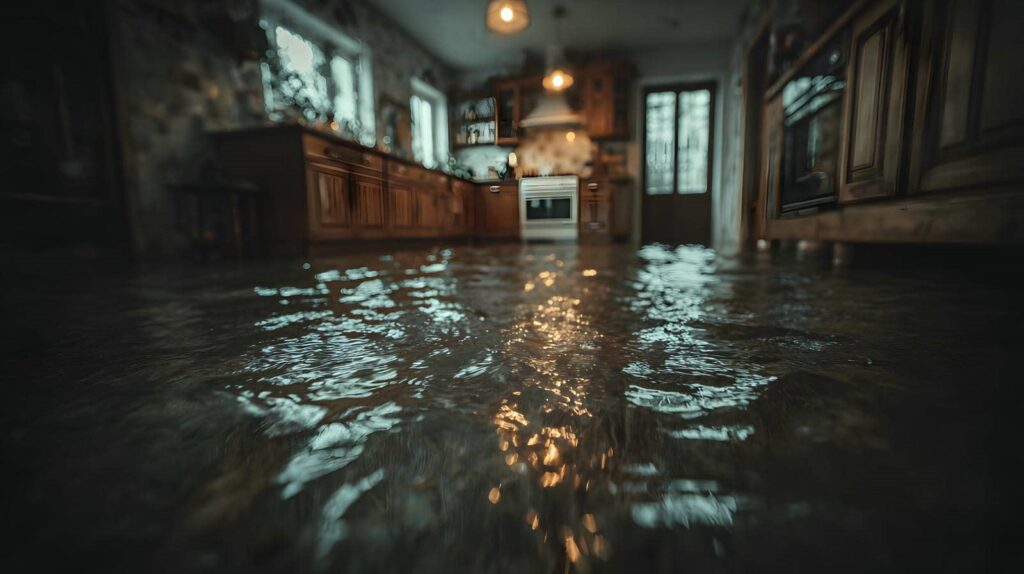
Water damage can feel like a storm cloud overhead, threatening your home and peace of mind. To weather this challenge, you need to be well-prepared. Knowing how to document the water damage claims, understand your policy, and communicate with your insurer is essential. These steps can make or break your claim process, leaving you to wonder—are you truly ready to tackle this situation effectively?
Key Takeaways
- Document all damage thoroughly with clear photos and detailed inventories of affected items to support your claim.
- Review your insurance policy to understand coverage limits, exclusions, and types of water damage that may not be covered.
- Communicate effectively with your insurer by being clear about your situation and maintaining organized records of all communications.
- Collect relevant documentation, including repair estimates and receipts for temporary repairs, to strengthen your claim.
- Be proactive in following up on your claim status and be prepared to address any challenges that may arise during the process.
Document the Damage Thoroughly
When faced with water damage, your first step should be to document the damage thoroughly. Start by taking clear photographic evidence of all affected areas. Capture multiple angles to provide a complete picture of the extent of the damage. This visual documentation will be essential for your claim.
Next, create a detailed inventory of damaged items, including furniture, appliances, and personal belongings. Note their condition, age, and estimated value. This inventory will help establish the total loss and support your case.
Don’t forget to include any necessary repairs, such as structural damage to walls or flooring. Each detail adds weight to your claim. The more organized and thorough your documentation, the stronger your position will be when you file your claim.
Understand Your Policy Coverage
After documenting the damage, the next important step is to understand your policy coverage. Review your insurance policy carefully to grasp what’s included and what’s not. Familiarize yourself with policy exclusions, as these can greatly impact your claim.
For instance, certain types of water damage, like flooding from external sources, may not be covered. Additionally, take note of your coverage limits. Knowing the maximum amount your insurer will pay for repairs helps you gauge your potential out-of-pocket expenses.
If your losses exceed these limits, you might need to explore additional coverage options or supplemental policies. Understanding these aspects empowers you and prepares you for the claims process.
Communicate Effectively With Your Insurer
Effective communication with your insurer is essential for a successful water damage claim. Start by documenting everything related to your claim process, including photos, receipts, and repair estimates. This evidence strengthens your position and helps clarify your needs.
When speaking with your insurer, be clear and concise. State your situation and what you expect from them, ensuring you align with their expectations. Understand their processes and timelines—this knowledge helps you manage your own expectations and reduces frustration.
Ask questions if you’re unsure about any details. This shows your engagement and helps build a rapport with your claims adjuster. Regular follow-ups about your claim status can keep you informed and demonstrate your commitment to resolving the issue.
Ultimately, maintaining open lines of communication fosters a productive relationship with your insurer, increasing the likelihood of a favorable outcome for your water damage claim.
Frequently Asked Questions
What Should I Do Immediately After Water Damage Occurs?
After water damage occurs, start with immediate water extraction to prevent further issues. Then, conduct a thorough damage assessment to identify affected areas and document everything for future reference. Acting fast minimizes complications and costs.
How Long Do I Have to File a Water Damage Claim?
You typically have one to two years to file a water damage claim, depending on your state’s legal requirements. Check your policy for specific claim deadlines, ensuring you don’t miss your opportunity for recovery.
Will My Insurance Cover Mold Damage From Water Exposure?
Your insurance might cover mold damage, but it depends on your policy specifics. To safeguard your home, use mold prevention strategies and make certain you’re familiar with coverage details before a situation arises.
Can I Hire My Own Contractor for Repairs?
Yes, you can hire your own contractor for repairs. Just make certain they provide detailed repair estimates. Your insurance might have guidelines for contractor selection, so check your policy to avoid any potential issues.
What if My Claim Gets Denied?
If your claim gets denied, think of it as a closed door. You can navigate the claim appeal process by reviewing your insurance policy, gathering evidence, and presenting a strong case to reopen that door.
Wrap-Up
So, there you have it! Just remember: if you think snapping a few blurry pictures and hoping for the best will win you a hefty payout, you might as well start digging for gold in your backyard. Keep your documentation sharp, know your policy like the back of your hand, and don’t play the silent game with your insurer. After all, in the world of water damage claims, clarity really is your best friend—unless you prefer swimming upstream!