Have you ever wondered if using high-powered pumps really makes a difference in water extraction efficiency? It’s a vital factor that can greatly impact the speed and effectiveness of your water removal efforts. However, pumps alone won’t suffice. Understanding the combination of advanced tools and techniques is essential to optimizing your approach. Let’s explore the five best strategies to elevate your water extraction process and ensure thorough results.
Key Takeaways
- Utilize high-powered pumps to efficiently manage substantial flow rates and ensure effective water removal based on project requirements.
- Implement industrial-grade dehumidifiers near moisture sources to control humidity and prevent mold growth in affected areas.
- Deploy water extraction vacuums suited for the water volume and area accessibility, employing efficient suction techniques for rapid extraction.
- Use advanced moisture meters to accurately assess moisture levels and target drying strategies effectively in hidden damp areas.
- Leverage thermal imaging technology for quick, non-invasive identification of moisture sources, enhancing extraction strategies and documentation.
Utilizing High-Powered Pumps
When you need to extract large volumes of water quickly and efficiently, utilizing high-powered pumps is vital. Your pump selection should focus on the specific requirements of your project, including the desired flow rate and the nature of the water being extracted.
High-powered pumps, such as submersible or centrifugal types, can greatly increase your efficiency by delivering substantial flow rates that match your needs.
When selecting a pump, consider both the total dynamic head (TDH) and the pump’s horsepower, as these factors directly influence its performance. Verify that the pump can handle the expected water volume without risking damage or inefficiency.
By understanding your extraction goals and the characteristics of the environment, you can make informed decisions that enhance your water removal process.
Ultimately, the right high-powered pump will streamline your operations and foster a sense of community among professionals aiming for excellence in water management.
Implementing Industrial-Grade Dehumidifiers
Implementing industrial-grade dehumidifiers can greatly enhance the efficiency of water extraction processes, especially in environments prone to excess moisture.
By strategically focusing on dehumidifier placement, you can greatly improve humidity control throughout the affected area. Position your dehumidifiers near the source of moisture and verify they’re positioned to allow ideal airflow, enabling them to extract moisture effectively.
Monitor humidity levels regularly, adjusting settings as necessary to maintain perfect conditions. This proactive approach helps prevent mold growth and structural damage, safeguarding your assets and promoting a healthier environment.
Additionally, consider utilizing multiple units for larger spaces to create a thorough humidity control system.
Ultimately, investing in industrial-grade dehumidifiers and placing them thoughtfully accelerates the drying process and fosters a sense of belonging within your team, as everyone contributes to a successful water extraction strategy.
Deploying Water Extraction Vacuums
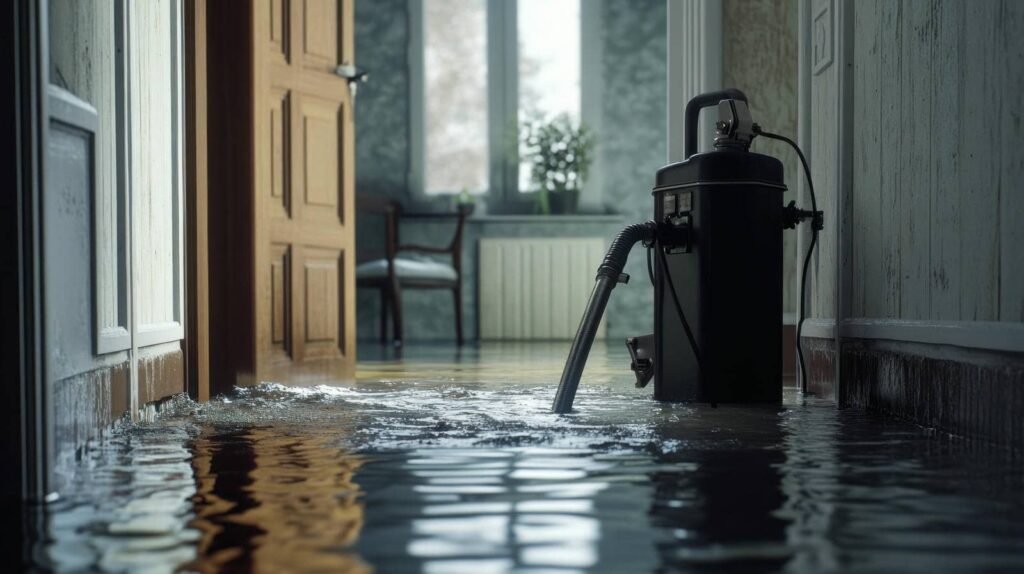
Utilizing water extraction vacuums is essential for efficiently removing standing water from affected areas, especially after flooding or water damage incidents.
When deploying these vacuums, consider the following:
Vacuum Types: Choose between submersible, truck-mounted, or portable vacuums based on the volume of water and accessibility of the area.
Suction Techniques: Employ single-pass or multi-pass suction techniques to maximize water removal and minimize residual moisture.
Hose Size: Opt for wider hoses to enhance flow rates, ensuring quicker extraction.
Water Filter Systems: Utilize vacuums with advanced filtration to prevent contaminants from re-entering the environment.
Employing Advanced Moisture Meters
After effectively removing standing water with extraction vacuums, the next step is to evaluate moisture levels to ensure complete drying and prevent mold growth.
Employing advanced moisture meters is essential for accurate readings. These devices provide precise moisture detection, allowing you to identify hidden damp areas in walls, floors, and ceilings.
When choosing a moisture meter, consider one that offers both pin and pinless options. Pin-type meters penetrate materials for direct moisture readings, while pinless models use electromagnetic signals to scan surfaces without damage.
Regularly calibrating your moisture meter assures you’re receiving reliable data, which is crucial for effective remediation.
Using these tools, you can confidently assess moisture levels and implement targeted drying strategies, promoting a healthier environment.
Leveraging Thermal Imaging Technology
While you may have already assessed moisture levels with advanced meters, leveraging thermal imaging technology can greatly enhance your water extraction efforts.
By incorporating thermal imaging, you can efficiently identify moisture sources and optimize your extraction strategy. Here are some key thermal imaging benefits:
Non-Invasive Detection: Thermal cameras allow you to visualize temperature variations without damaging surfaces.
Rapid Localization: Quickly pinpoint areas with elevated moisture levels, reducing the time spent on troubleshooting.
Comprehensive Assessment: Analyze large areas in a single scan, facilitating a thorough evaluation of potential water intrusion.
Enhanced Documentation: Provide visual evidence for insurance claims or remediation reports, strengthening your case.
Frequently Asked Questions
What Safety Precautions Should Be Taken During Water Extraction?
During water extraction, you should wear appropriate safety gear, including gloves and boots. Always check for electrical hazards before starting, ensuring that power sources are disconnected to prevent shock or injury while working in wet conditions.
How Do I Choose the Right Equipment for My Situation?
Choosing the right equipment is like finding the perfect puzzle piece. Start with a situation analysis; assess water volume and type. Then, match your findings with equipment types designed for efficiency and effectiveness in your specific circumstances.
Can I Extract Water Without Professional Help?
Yes, you can extract water without professional help using DIY methods. Employ tools like wet vacuums, pumps, and dehumidifiers effectively. Make certain you understand the equipment’s specifications and safety measures to achieve the best water extraction results.
What Are the Costs Associated With Water Extraction Services?
Water removal costs vary based on factors like property size and damage extent. Extraction service pricing may range from $500 to $5,000, depending on the equipment used and the labor needed, ensuring you receive quality and effective solutions.
How Long Does Water Extraction Typically Take?
When the clock’s ticking, water extraction duration varies based on factors influencing extraction, like the amount of water and materials involved. Typically, it takes a few hours to a couple of days to complete.
Wrap-Up
Incorporating these five strategies for rapid water extraction is like assembling a rescue team for a sinking ship. Just as each crew member plays a vital role in saving lives, every tool—from high-powered pumps to thermal imaging—ensures a swift and effective response. By leveraging advanced technology and equipment, you’re not just removing water; you’re safeguarding properties and preventing long-term damage. With the right approach, you can navigate the storm and restore peace of mind in any water emergency.