
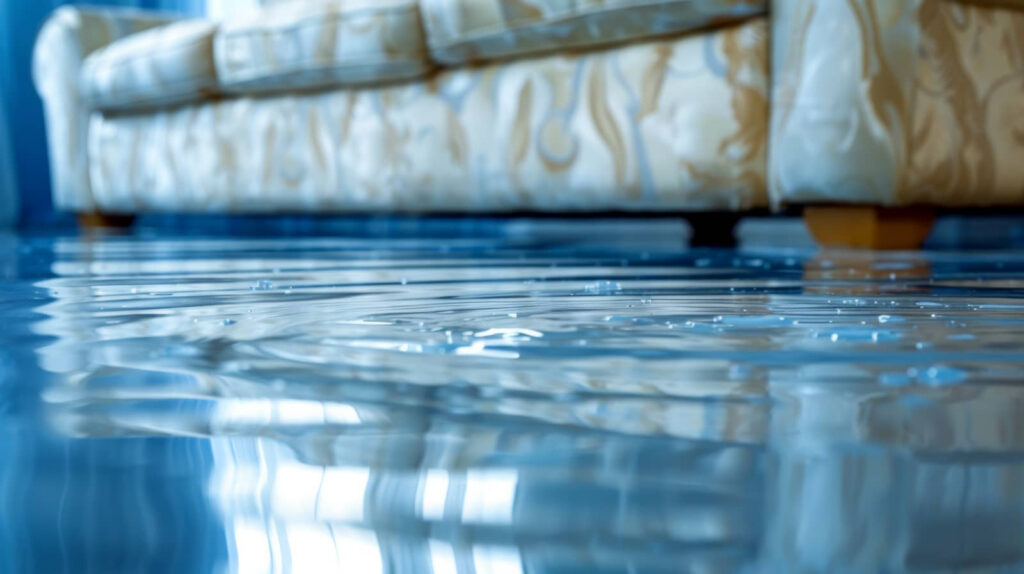
When water damage hits, every minute can feel like a leak in the walls of your routine. You need to act fast: shut off the source, document the damage, remove standing water, dry affected surfaces, and stop mold before it starts. These steps after water damage protect your home and strengthens your insurance claim, but the order matters more than you might think.
Key Takeaways
- Shut off the main water supply immediately to stop further leaking and reduce structural damage.
- Document all damage with photos, videos, dates, and receipts for insurance claims.
- Remove standing water safely using buckets, a wet/dry vacuum, or professional extraction.
- Dry walls, floors, and affected areas quickly with fans, dehumidifiers, and ventilation.
- Prevent mold by discarding wet porous materials and cleaning hard surfaces promptly.
Stop the Leak and Shut Off Water
The first priority is to stop the source of the water as quickly as possible. You should locate the main water shutoff valve and turn it off right away.
If the leak comes from a fixture, close its supply valves too. For active leak detection, inspect pipes, hoses, and fittings for dripping, spraying, or pooling water. Use a flashlight to check hidden areas under sinks, behind appliances, and near the water heater.
If you can’t isolate the problem safely, call a licensed plumber or emergency water restoration team. Act fast, but stay calm; you’re not handling this alone.
A quick water shutoff limits structural damage, protects wiring, and helps your home recover sooner. Keep your focus on safety and control, and you’ll move into cleanup with confidence.
Document Damage for Insurance
Before you move or clean anything, take clear photos and videos of every affected area, including floors, walls, ceilings, baseboards, furniture, and any visible source of the leak.
Capture wide shots and close-ups so your damage assessment is complete. Save timestamps, and note the date, time, and room names in a simple log.
Keep damaged items in place until your insurer tells you otherwise, since that record supports insurance claims. If you can, gather receipts, appliance model numbers, and prior maintenance records to strengthen your file.
Back everything up in the cloud or by email, and share copies with your adjuster. You’re not handling this alone; careful documentation helps your claim move faster and gives your repair team a clear, shared picture of the damage.
Remove Standing Water Immediately
Start removing standing water as soon as it’s safe to do so, because every minute it sits can increase damage to flooring, drywall, and furniture.
Before you begin, follow safety precautions: shut off power to affected areas if you can do it safely, wear protective gear, and watch for slippery surfaces.
Use buckets, a wet/dry vacuum, or professional water extraction equipment to pull water out quickly and efficiently.
Work from the highest area toward drains or exits so you don’t spread contamination.
If the water is deep, dirty, or tied to sewage, call a restoration team right away.
You’re not alone in this step; acting fast helps protect your space and gives you a better chance of a smoother recovery.
Dry Water-Damaged Walls and Floors
Once the standing water is gone, you need to dry walls and floors quickly to limit mold growth, swelling, and hidden structural damage. Open windows if weather allows, run fans to move air across wet surfaces, and place a dehumidifier nearby to pull moisture from the space.
For wall drying techniques, remove baseboards, drill small vent holes only where needed, and check insulation for saturation.
For floor restoration methods, lift rugs, separate boards if possible, and use towels or a wet vacuum on seams and edges. Keep checking moisture with a meter so you know what’s still damp.
You’re not alone in this step; a steady, methodical approach helps your home recover faster and safer.
Prevent Mold After Water Damage
With the walls and floors drying, your next priority is stopping mold before it starts. Remove wet insulation, carpet padding, and any porous material that stayed damp for more than 24 to 48 hours.
Clean hard surfaces with soap and water, then disinfect them if the water was contaminated. Keep humidity below 60% with fans, dehumidifiers, and open windows when weather allows; strong air circulation helps hidden moisture escape.
Check closets, baseboards, and under sinks daily for musty odors or spotting. If you notice discoloration, treat it fast or call a professional.
Good mold prevention protects your home and helps your household breathe easier. Stay methodical, and you’ll keep recovery on track together.
Frequently Asked Questions
How Soon Should I Call a Professional Restoration Company?
Call a professional restoration company immediately—ideally within 24 hours. You’ll get faster water extraction, better mold prevention, and less structural damage. You’re not alone; prompt help protects your property and restores your peace of mind.
Can I Stay in My Home After Severe Water Damage?
No, you shouldn’t stay if severe water damage threatens structural safety, but temporary housing can protect you. Take safety precautions, shut off power, and wait for restoration experts; you’re not alone, and help’s available.
What Items Should I Throw Away After Flooding?
Throw away porous flooded belongings like carpet, insulation, mattresses, paper goods, and food. Follow disposal guidelines, and discard anything contaminated by sewage or chemicals. You’ll protect your home, health, and recovery path.
How Do I Check if Electrical Systems Are Safe?
Turn off power, then inspect outlets, panels, and cords for moisture, corrosion, or burn marks. You should call a licensed electrician for circuit inspection and electrical safety testing before you restore power.
When Should I Contact My Insurance Adjuster?
Contact your insurance adjuster right away, like calling a doctor after a sudden fever. You’ll speed your insurance claim, document the damage assessment, and feel supported while your next steps stay clear and practical.
Wrap-Up
When water damage hits, you need to act fast. Shut off the water, document everything, and remove standing water before it spreads like a silent tide through your home. Then dry walls and floors thoroughly with fans and dehumidifiers. Finally, prevent mold by discarding wet materials and keeping humidity low. If you follow these five steps quickly, you’ll limit damage, protect your property, and move toward recovery with confidence.