
If your kitchen pipe bursts at 2 a.m., you don’t have hours to wait. You need 24/7 water leak cleanup because standing water can spread into floors, walls, and insulation fast. Within 24 to 48 hours, mold can begin to develop, and damage costs rise quickly. With immediate extraction and containment, you can limit repairs, protect materials, and avoid a bigger problem than you first saw.
Key Takeaways
- Immediate 24/7 cleanup limits structural damage and stops water from spreading.
- Fast extraction reduces swelling, warping, staining, and other costly material damage.
- Prompt drying helps prevent mold growth, which can begin within 24 to 48 hours.
- Emergency crews protect belongings, including electronics, by moving and drying them quickly.
- Trained professionals assess damage, identify moisture, and guide the next cleanup steps.
Why 24/7 Water Leak Cleanup Matters
When a leak starts, every minute counts because water can move quickly into flooring, drywall, insulation, and framing.
24/7 water leak cleanup matters because immediate response helps limit structural damage, reduces the risk of mold growth, and preserves materials that might otherwise need replacement.
You deserve an emergency response that arrives any time, day or night, so you’re not left managing damage alone.
Trained crews can assess wet areas, isolate the source, and protect adjacent rooms before conditions worsen.
Fast cleanup also helps reduce health risks tied to damp surfaces, contaminated water, and hidden moisture.
When you act quickly, you join a practical, informed approach that supports safety, control, and peace of mind for your home and everyone in it.
How Fast Water Extraction Prevents Damage
Fast water extraction limits how far moisture can spread through your home, giving you a better chance to protect flooring, drywall, baseboards, and subfloors before they absorb too much water.
When you act quickly, you reduce swelling, warping, staining, and adhesive failure in affected materials.
Professional water extraction also helps you remove standing water from carpets, padding, and hard surfaces with the right equipment, which supports damage prevention and keeps the cleanup process controlled.
You don’t have to handle it alone; a trained team can assess the affected area, extract water efficiently, and guide you through the next steps.
That quick response helps you regain stability faster and protects the space you call home.
Why Mold Can Start Within 24 to 48 Hours
Because moisture creates an ideal growth environment, mold can begin developing within 24 to 48 hours after a water leak or flood.
You’re dealing with a biological process that speeds up when porous materials stay damp, warm, and poorly ventilated. Spores already exist in the air, so once surfaces hold water, mold growth can spread quickly across drywall, carpet, wood, and insulation.
That’s why moisture control matters so much after any leak. When you act fast, you reduce the chance that hidden dampness will support colonies behind walls or under flooring.
You’re not alone in this—prompt, professional response helps protect your space, your health, and your peace of mind by stopping conditions mold needs to take hold.
First Steps in Emergency Water Cleanup
First, stop the water source if you can do so safely to prevent further damage.
Next, move wet belongings, electronics, and documents out of the affected area to protect them from saturation.
Then begin drying the space immediately with fans, dehumidifiers, and ventilation to limit moisture buildup.
Stop The Water Source
Shut off the water source immediately to stop further damage and make cleanup safer. You’re doing the right thing by acting fast and staying focused.
Use water source identification to find the main valve, appliance supply, or fixture line causing the leak. Then confirm the shutoff is complete.
- Turn the closest valve clockwise until it stops.
- Test nearby fixtures to verify flow has ended.
- Note the leak location for faster professional support.
- Review leak prevention strategies after the emergency passes.
If you can’t isolate the source quickly, contact a qualified responder. Your team wants the same goal: limit damage and restore control.
Clear action now reduces risk, protects your space, and keeps cleanup efficient.
Protect Belongings Quickly
With the water source off, move quickly to protect items that can absorb moisture or be damaged by standing water. In your emergency response, prioritize electronics, documents, photos, and textiles, since these items can worsen fast.
Lift them to a dry counter, shelf, or another room, and keep pathways clear so you and your household can move safely. Use proactive measures: place aluminum foil, wood blocks, or plastic bins under furniture legs to reduce direct contact with wet flooring.
If you can do so safely, gather rugs, cushions, and loose décor before they soak through. Work methodically, but don’t rush so much that you trip or spread contamination.
These early steps help preserve what matters and keep your space organized while your cleanup team arrives.
Begin Drying Immediately
Start drying as soon as the area is safe to enter. Your immediate response limits swelling, staining, and microbial growth, and it helps you stay in control with the rest of us.
Use effective techniques that move moisture out fast:
Open windows and doors if outdoor air is dry.
Run fans to push air across wet surfaces.
Set dehumidifiers to pull humidity down.
Lift rugs, cushions, and small items to expose hidden moisture.
Work from the top down and from dry zones toward wet ones. Check baseboards, subfloors, and wall cavities for trapped water.
Replace saturated materials only after you confirm they can’t dry safely. When you act quickly and methodically, you protect the structure, reduce repairs, and keep your cleanup team aligned.
How Water Leak Cleanup Reduces Repair Costs
Fast water leak cleanup limits the time moisture has to spread into drywall, insulation, flooring, and framing, which helps you avoid larger structural repairs later.
You keep restoration focused on the affected area, so you don’t pay to replace materials that could’ve been saved.
Fast extraction, drying, and moisture mapping also reduce labor hours and equipment time, which lowers the total invoice.
When you act quickly, you support insurance savings by limiting claim scope and preserving documentation.
That gives your home the best chance for long term benefits, including fewer hidden repairs and less repeat work.
You’re not just stopping damage; you’re protecting your investment with a practical, team-based response that keeps costs predictable and recovery manageable.
Signs Water Damage Needs Immediate Help
If you notice water staining, peeling paint, warped flooring, musty odors, or visible pooling, you need immediate help. You’re seeing active moisture intrusion that can spread fast and weaken materials.
Pay attention to water stains on ceilings, walls, and trim, since they often signal hidden leaks. Warped floors can mean subfloor saturation, which raises structural risk and mold potential.
Act quickly and keep your space safe with these checks:
- Inspect damp areas for expansion.
- Document damage with clear photos.
- Isolate the affected room.
- Contact a qualified cleanup team.
You’re not overreacting; you’re protecting your home and the people in it. Fast response helps limit contamination, preserve finishes, and restore a healthier environment for everyone.
When to Start Water Damage Repairs
You should begin water damage repairs as soon as the area is dry enough for safe work and the source of the leak is fully stopped. At that point, you can protect framing, drywall, flooring, and insulation before hidden moisture spreads.
The faster you act, the better you control water damage and keep the repair timeline short. Inspect for swelling, staining, soft spots, and musty odors, then document conditions before work starts.
If materials stayed wet beyond 24 to 48 hours, plan for removal and replacement rather than simple drying. You’re not handling this alone; a coordinated crew can help you restore your space with confidence.
Start repairs after drying, dehumidification, and moisture readings show stable conditions.
Frequently Asked Questions
How Do Plumbers Find Hidden Leaks Behind Walls?
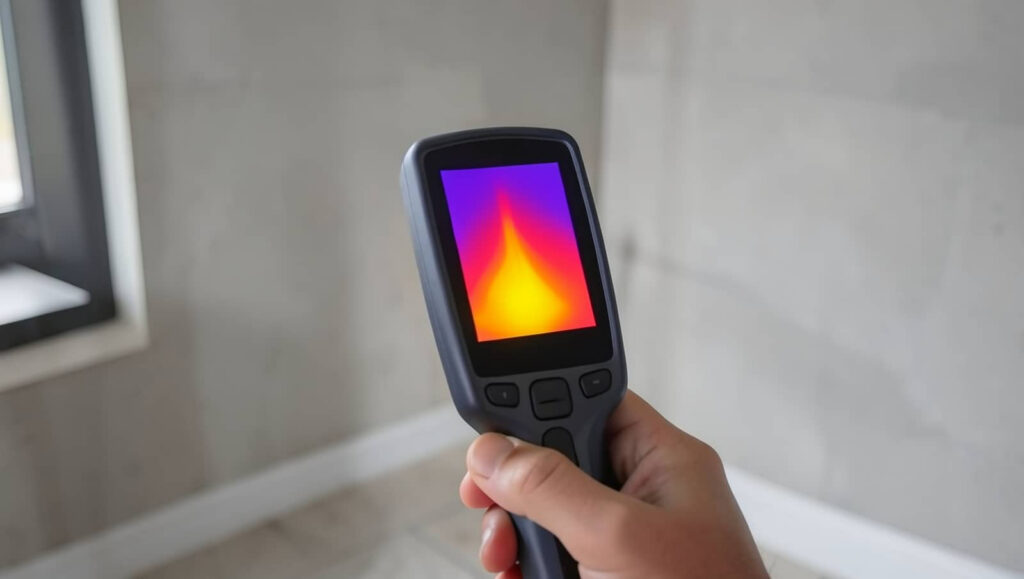
You use leak detection tools like acoustic sensors, thermal cameras, and moisture meters. Then you perform a wall inspection to trace damp spots, pressure drops, and temperature changes, so you’ll find hidden leaks quickly and confidently.
What Equipment Is Used During Emergency Water Cleanup?
You use extraction equipment, moisture detection meters, air movers, and dehumidifiers. A stitch in time saves nine, so you’ll remove water fast, protect materials, and feel confident your space’s being restored properly.
Can Insurance Cover 24/7 Water Leak Cleanup Services?
Yes, your insurance can cover 24/7 water leak cleanup services, depending on your insurance policies and coverage limits. You’ll want to file quickly, document damage, and confirm whether the leak’s cause is covered.
How Long Does Professional Drying Usually Take?
Professional drying usually takes 3–5 days, though you’ll need a moisture assessment to confirm it. Technicians use targeted drying techniques, and you’ll stay informed throughout, so your space feels cared for and supported.
Are Burst Pipes Treated Differently From Appliance Leaks?
Yes, they’re treated differently: a burst pipe hits like a hammer blow, while appliance leaks creep slower. You’ll need tailored drying, source control, burst pipe causes review, and appliance leak prevention steps to protect your home.
Conclusion
When water shows up uninvited at 2 a.m., waiting for office hours is a bold strategy for inviting mold, swelling drywall, and repair bills that seem to breed overnight. You protect your property best by acting fast, extracting water, and starting cleanup right away. A 24/7 response keeps damage controlled, costs lower, and stress manageable. So, when a leak strikes, don’t admire the puddle—call for help and get ahead of the mess.