
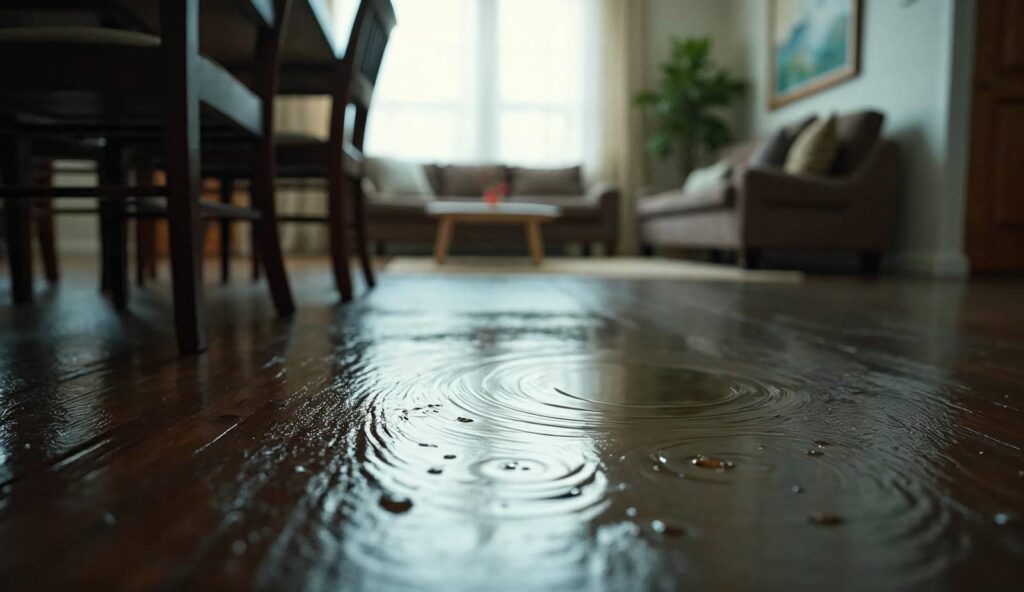
You might think a water leak cleanup is straightforward, but it can quickly escalate into a hazardous situation if not handled properly. Knowing how to assess the situation and act efficiently is important. From protecting yourself to removing contaminated materials, each step plays an essential role in ensuring safety and preventing further damage. Let’s explore necessary tips that will guide you through this process effectively.
Key Takeaways
- Quickly assess the situation to identify leak sources and document damage for potential insurance claims.
- Wear proper gear, including gloves, boots, goggles, and a mask, to protect yourself from contaminants.
- Turn off utilities like electricity and gas to prevent hazards during the cleanup process.
- Safely remove contaminated materials, sealing them in heavy-duty bags, and follow local disposal regulations.
- Thoroughly dry the area using fans and dehumidifiers to prevent mold growth and ensure all surfaces are dry.
Assess the Situation Quickly
As soon as you notice a water leak, it’s essential to assess the situation quickly to minimize potential damage.
Start by identifying the leak sources; check for visible water, damp spots, or unusual sounds. Look under sinks, around appliances, and in basements or crawl spaces. This quick damage assessment helps you pinpoint the problem and prevent further issues, such as mold growth or structural damage.
If the leak is significant, turn off the water supply to limit the flow. Document any visible damage with photos or notes; this information will be valuable if you need to file an insurance claim.
Protect Yourself With Proper Gear
When tackling a water leak cleanup, wearing the right protective gear is essential for your safety. Start by donning protective clothing, which includes waterproof gloves and durable boots. These items shield you from contaminants and keep you dry as you work through the mess.
Don’t overlook the importance of safety goggles. They’ll protect your eyes from splashes and debris, ensuring you can focus without distractions. Choose goggles that fit snugly and provide a clear view, especially in dimly lit areas.
Additionally, consider using a face mask if there’s a risk of mold or harmful bacteria. This simple precaution can prevent respiratory issues while you clean.
Turn Off Utilities to Prevent Hazards
Before you start cleaning up a water leak, it’s crucial to turn off utilities like electricity and gas to prevent potential hazards.
Begin by locating the utility shutoff valves for your home. This ensures that no electrical currents or gas leaks pose a risk while you’re working. If you’re unsure how to turn off these utilities, it’s wise to have your emergency contacts, such as a trusted neighbor or a professional, readily available for assistance.
Once you’ve shut off the utilities, double-check that all appliances are unplugged and that gas lines are secure.
This proactive approach minimizes the chance of accidents, keeping you and your loved ones safe during the cleanup process. Remember, taking these precautions protects you and fosters a sense of community by making sure that you’re prepared and informed.
Safety is always a priority, so don’t skip this crucial step.
Remove Contaminated Materials Safely
To effectively address a water leak, removing contaminated materials is essential, especially if the water has come from a source that may harbor bacteria or mold.
Begin by identifying contamination sources, such as sewage or floodwater, to assess the risks. Wear appropriate personal protective equipment, including gloves and masks, to safeguard yourself during the cleanup.
Carefully remove affected materials like drywall, insulation, and carpeting. Seal these items in heavy-duty plastic bags to prevent further contamination.
When it comes to disposal methods, check local regulations for guidelines on disposing of hazardous waste. If unsure, consider professional help for safe removal.
Finally, document the damage for insurance purposes. By taking these steps, you protect your health and contribute to a safer environment for yourself and your loved ones.
Dry the Area Thoroughly to Prevent Mold
After removing contaminated materials, drying the area thoroughly becomes a priority in preventing mold growth. Mold thrives in damp environments, so you need to act quickly.
Start by using fans to circulate air and dehumidifiers to reduce humidity levels. These drying techniques can effectively expedite the drying process. Make certain that all surfaces, including walls, floors, and furniture, are dry to the touch.
Inspect hidden areas, like behind appliances or under cabinets, as moisture can linger there. It’s essential to check for any signs of water pooling or dampness.
Frequently Asked Questions
How Can I Identify the Source of the Water Leak?
To identify the source of the water leak, use leak detection tools and conduct a moisture assessment. Inspect walls, ceilings, and floors for dampness, and trace plumbing lines to locate hidden leaks effectively.
What Types of Contaminants Are Common in Water Leaks?
When dealing with water leaks, you might encounter unwelcome guests like waterborne pathogens and toxic substances. These contaminants can pose health risks, so it’s essential to handle the situation with care and awareness.
When Should I Call a Professional for Water Leak Cleanup?
You should call a professional for water leak cleanup immediately if you notice extensive water damage or if you need to file insurance claims. They’ll ensure proper restoration and help you avoid long-term issues.
How Long Does It Take for Mold to Develop After a Leak?
Mold growth can begin within 24 to 48 hours after a leak. To ensure leak prevention, act quickly to address water issues, as timely action greatly reduces mold risks and maintains a healthy environment.
Can I Use Fans to Dry Out the Area Quickly?
Yes, you can use fans to dry out the area quickly. Proper fan placement enhances drying techniques, directing airflow across damp surfaces, which speeds up moisture evaporation and reduces the risk of mold growth effectively.
Conclusion
Water leak cleanup is like steering through a stormy sea; swift action and preparation are your lifeboats. By evaluating the situation, protecting yourself, and following the proper steps, you can steer clear of further damage and hazards. Just as a sailor wouldn’t venture into rough waters without a plan, you shouldn’t tackle a leak without these tips. Stay vigilant, and remember that thorough drying is essential to keep mold from taking root and turning your safe harbor into a breeding ground for trouble.