
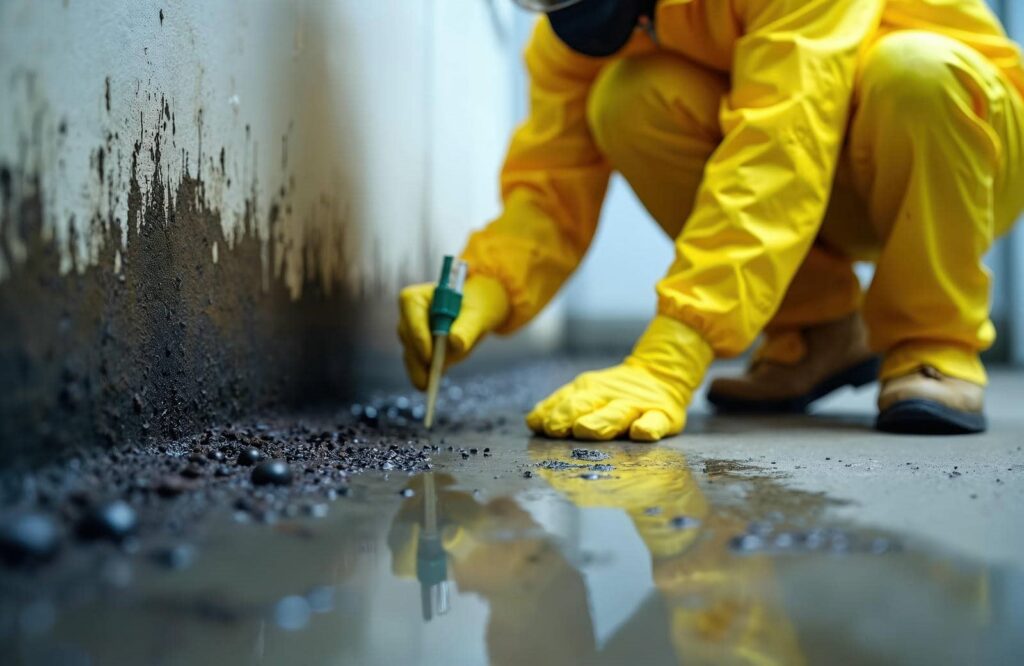
When faced with emergency water damage, your immediate actions can greatly impact the outcome. You need to assess the situation without delay, ensuring your safety first. By prioritizing health and effective recovery, you can minimize risks and losses. However, knowing when to seek professional help is just as vital. Let’s explore these essential steps to navigate the complexities of water damage and safeguard your property.
Key Takeaways
- Assess the damage immediately to identify the source and affected areas, using moisture detection tools if necessary.
- Prioritize safety by wearing PPE and ensuring proper ventilation while removing standing water and drying surfaces.
- Contact restoration professionals for extensive recovery work, as they have the expertise and equipment for effective water extraction.
- Document all damage thoroughly with notes and photographs to support insurance claims and future repairs.
- Implement preventive measures, such as regular inspections and using dehumidifiers, to avoid future water damage issues.
Assess the Damage Immediately
As soon as you discover water damage, it’s essential to evaluate the situation immediately to prevent further complications.
Start your damage evaluation by identifying the source of the water intrusion. This could be a leaky roof, burst pipe, or flooding. Next, use moisture detection tools, like moisture meters or thermal imaging cameras, to pinpoint affected areas. Pay close attention to walls, floors, and ceilings, as hidden moisture can lead to mold growth and structural issues.
Document your findings meticulously, noting the extent of the damage. This step is vital for insurance claims and future repairs.
If the damage is extensive, consider consulting a professional who specializes in water damage restoration. They can provide a thorough assessment and recommend appropriate remediation strategies.
Prioritize Safety and Health
While evaluating the damage, it’s crucial to prioritize safety and health to protect yourself and others in the affected area. Start by wearing appropriate personal protective equipment (PPE), including gloves, masks, and goggles, to shield yourself from contaminants and potential hazards.
Ascertain the area is well-ventilated to reduce exposure to harmful fumes and promote air circulation.
Be vigilant about mold prevention, as damp environments can lead to rapid mold growth. Remove standing water promptly and dry affected surfaces within 24 to 48 hours to minimize the risk.
Look for signs of mold, such as musty odors or discoloration, and address them immediately.
Stay informed about the potential health risks associated with water damage, including respiratory issues and infections, and take appropriate measures to safeguard your well-being.
Your safety is paramount; don’t hesitate to reach out for help when needed.
Contact Professionals for Restoration
When dealing with extensive water damage, it’s essential to contact professionals for restoration to ensure a thorough and effective recovery.
Restoration services specialize in mitigating damage, ensuring that your property is restored to its pre-loss condition. They possess the necessary equipment, such as industrial-grade dehumidifiers and water extraction tools, which are important for addressing the complexities of water damage.
Additionally, these professionals are trained to identify hidden moisture, preventing mold growth and structural issues.
When you reach out for emergency response, a team will quickly assess the situation, formulate a strategic plan, and execute it efficiently.
This proactive approach safeguards your home and gives you peace of mind knowing experts are handling the situation.
Don’t hesitate to rely on their expertise; it’s a critical step in your recovery journey that can save you time, money, and stress in the long run.
Frequently Asked Questions
What Should I Do if My Insurance Won’t Cover Water Damage?
If your insurance won’t cover water damage, explore alternative insurance options, consult your policy for legal rights, and consider appealing the decision. Document everything, and seek advice from a legal professional to understand your next steps.
How Long Does It Take for Water Damage to Become Serious?
Water damage can become serious within 24 to 48 hours. Monitor the water damage timeline for severity indicators like mold growth, structural weakening, or persistent odors, as these signal escalating issues that require immediate attention.
Can I Use a Regular Vacuum for Water Extraction?
You can’t use a regular vacuum for water extraction. Specialized water extraction tools are essential for effectively handling moisture. Different vacuum types exist, but only specific models can safely manage this task without damage or hazard.
Are There Any DIY Methods to Prevent Mold Growth?
To prevent mold growth, you can use DIY solutions like maintaining low humidity, ensuring proper ventilation, and applying vinegar or baking soda in damp areas. These methods effectively combat mold and keep your environment healthy and inviting.
What Items Can I Salvage After Water Damage?
You can salvage items like hardwood furniture through restoration and inspect electronics for functionality. Curiously, many water-damaged items can often be saved with prompt action, ensuring your belongings retain their value and significance.
Summary
In the face of water damage, acting swiftly is essential. By evaluating the damage right away, prioritizing safety, and contacting professionals, you can effectively navigate this challenging situation. Think of it like a modern-day knight preparing for battle; you need the right armor and allies to protect your castle. Don’t underestimate the importance of documentation for insurance claims, as it’ll be your best weapon in recovery. Remember, timely action can make all the difference in restoring your home.