
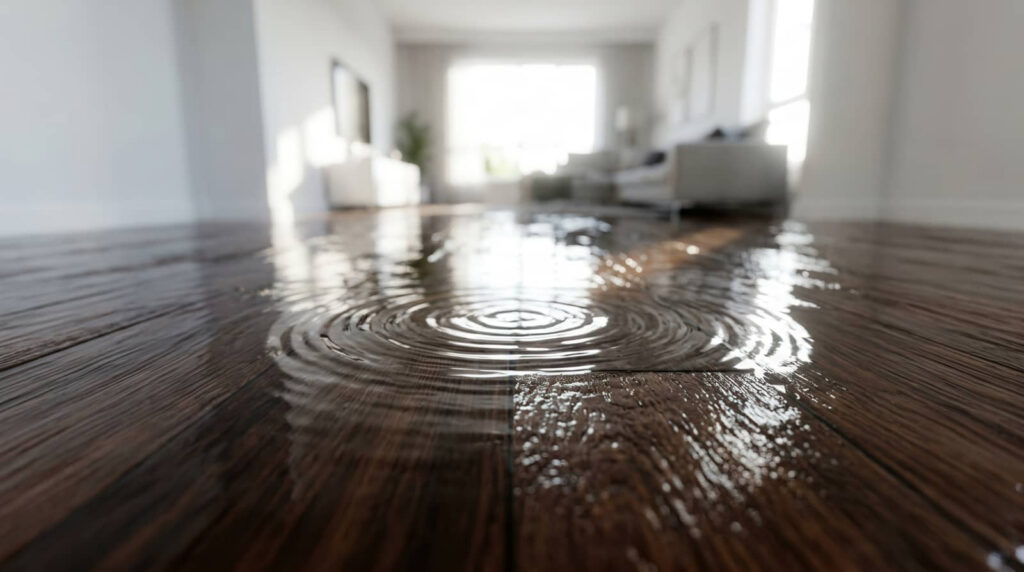
Water can ruin a room in minutes, yet you can restore water damage fast if you act in the right order. You shut off the source, check for hidden leaks, remove standing water, and start drying walls and floors with air movers and dehumidifiers. Then you clean, sanitize, and strip out materials that won’t recover—because mold and structural failure can follow sooner than you think.
Key Takeaways
- Shut off the water source immediately and assess affected areas for active leaks, hidden moisture, and electrical hazards.
- Extract standing water fast with pumps or wet vacuums, starting from the deepest area and moving toward the exit.
- Dry walls, floors, and cavities using air movers, dehumidifiers, and removed baseboards or wet materials.
- Clean and sanitize all flood-contact surfaces with protective gear and proper disinfectant to prevent bacteria and mold.
- Document damage, remove contaminated materials, and begin repairs and mold remediation within 24 to 48 hours.
Stop the Leak and Assess Damage
First, shut off the water source and stop the leak immediately to prevent further saturation.
Then you can do leak detection by tracing wet lines, checking fittings, and listening for hidden dripping. Use a flashlight and inspect walls, floors, ceilings, and under sinks. Mark active moisture zones so you can guide repairs quickly.
Next, perform damage assessment: note warped materials, stained finishes, soft drywall, and compromised insulation.
If you belong to a team or household, assign one person to document photos and another to monitor conditions. This keeps everyone aligned and reduces mistakes.
Remove power from affected areas if needed, but only when you can do so safely.
Act fast, stay methodical, and you’ll limit spread while setting up the next restoration step.
Extract Standing Water
With the leak stopped and the wet areas marked, remove any standing water as quickly as possible to limit material saturation and mold growth.
Use pumps, wet vacuums, or a professional water extraction unit to pull water from hard floors, carpet, and low spots. Start at the deepest area and work toward the exit so you don’t spread contamination.
Wear gloves and boots, and keep cords and outlets clear. If the water is from a clean source, you can move faster; if it’s dirty, treat it as an emergency response and limit contact.
Check buckets, filters, and hoses often so the system keeps moving. Fast water extraction helps your team stay organized, protects shared spaces, and gives everyone a better recovery start.
Dry Out Walls, Floors, and Hidden Moisture
Once the bulk water is out, you need to dry the structure fast to stop swelling, delamination, and mold. Open wet cavities, remove baseboards, and set air movers to push air across floors and lower wall edges.
Use dehumidifiers to pull vapor from the room, and keep windows closed unless outdoor air is drier. Check wall insulation, because it can trap moisture behind drywall and slow recovery.
Use moisture detection tools to map damp spots in framing, subfloors, and trim, then keep drying until readings match nearby dry materials.
Lift carpet if needed and separate padding so air can reach both sides. Keep the area organized, watch progress daily, and adjust equipment until the structure feels dry and stable again.
Clean and Sanitize After Flood Damage
Scrub and sanitize every surface that contacted floodwater to reduce bacteria, odors, and staining. You should wear gloves, boots, and eye protection, then mix a detergent wash followed by a disinfectant rated for porous and nonporous materials.
Work from clean areas toward dirty ones, replacing rinse water often. Keep good ventilation and follow flood safety guidance while you clean. Document each step for insurance claims, and take dated photos before and after sanitizing.
- Remove dirt before disinfecting.
- Apply sanitizer at the right dwell time.
- Rinse food-contact surfaces thoroughly.
- Label cleaned areas for recheck.
Stay methodical so your space feels like home again, and test hidden spots for residue if odors linger.
Remove Materials Beyond Repair
After you’ve cleaned and sanitized, remove any material that can’t be dried and restored safely.
Start with a material assessment of drywall, insulation, carpet pad, particleboard, and swollen baseboards. If pieces are delaminated, crumbling, or hold water after extraction, cut them out in controlled sections and bag them immediately.
You’ll protect the rest of your space by clearing saturated items that can’t regain strength or shape. Keep debris off clean surfaces, and separate salvageable items from waste so your team stays organized.
This step supports mold prevention because trapped moisture in damaged materials invites hidden growth. Work methodically, document what you remove, and replace only after all surfaces are dry and stable.
That way, you and your household can move forward with confidence.
Prevent Mold Before It Spreads
You need to dry all affected areas within 24 hours to limit mold growth.
Remove damp materials that can’t dry quickly, since they trap moisture and spread contamination.
Keep airflow strong and monitor hidden spaces so you can stop mold before it starts.
Dry Within 24 Hours
Dry wet materials within 24 hours to limit mold growth and secondary damage. After water extraction, use moisture detection to verify what’s still damp. You’re not guessing; you’re measuring.
Set up airflow and dehumidification fast, and keep monitoring readings until they stabilize. Act like your team depends on speed, because it does.
- Check hidden zones first: baseboards, cavities, and subfloors
- Move air across wet surfaces, not just the room
- Track humidity and material moisture every few hours
- Reassess after each pass to confirm drying progress
If you stay consistent, you’ll cut the window mold needs to spread. That’s how you protect your space, avoid extra loss, and keep the restoration moving with confidence.
Remove Damp Materials
Pull out damp materials that won’t dry quickly, because trapped moisture gives mold a place to grow. Remove carpet pad, insulation, ceiling tiles, and swollen drywall if moisture detection tools show elevated readings after drying.
Bag water absorbent materials in sealed plastic and move them outside fast, so spores don’t spread through your space. If you can’t fully dry a porous item within 24 to 48 hours, discard it.
Keep salvageable framing, subfloor, and hard surfaces exposed for airflow and inspection. Wear gloves, a respirator, and eye protection while you work.
Label what you remove, photograph damage, and separate trash from reusable items. Acting now protects your home and helps your crew stay on the same page.
Repair and Restore Water Damage
After floodwater recedes, inspect the structure, remove contaminated materials, and start repairs immediately to limit secondary damage. You’ll protect your home by documenting losses for insurance claims, then completing property assessments before rebuilding.
Use proven restoration techniques: dry framing, replace soaked insulation, seal cracks, and verify electrical safety. Keep emergency kits ready for crews, and coordinate with professional services when damage exceeds your tools.
Prioritize water extraction, then schedule mold remediation within 24 to 48 hours.
- Check load-bearing walls and subfloors
- Sanitize surfaces with approved cleaners
- Match repairs to flood preparedness plans
- Track costs and photos for claims
You’ll recover faster when you act with your neighbors’ resilience in mind.
Frequently Asked Questions
How Do I Know if My Insurance Covers Water Damage?
Check your policy for water-damage coverage limits, exclusions, and deductible, then start the claim process with your insurer. You’ll need a damage assessment, proof of cause, and prompt reporting to confirm coverage fast.
Should I Turn off Electricity After Water Damage?
Yes—you should turn it off fast; in 60% of water-damage fires, electricity worsens hazards. Your immediate actions should prioritize electrical safety: shut off power at the breaker, stay out of standing water, and call a professional.
Can I Stay in My Home During Water Damage Cleanup?
You can stay if water safety’s confirmed and the home assessment shows no electrical, mold, or structural hazards. Otherwise, leave during cleanup. Stay connected with your team, follow updates, and return only when cleared.
How Long Does Water Damage Restoration Usually Take?
You’ll usually need 3–7 days, like a room slowly breathing again. Your timeline depends on water types and damage signs. Clean leaks dry fastest; sewage or flooding takes longer because you’ll need extraction, sanitation, and repairs.
When Should I Call a Professional Restoration Company?
You should call a professional restoration company immediately after any major leak, flooding, sewage backup, or hidden moisture; their emergency response helps you protect belongings, ensure mold prevention, and support your home’s recovery.
Final Thoughts
When you stop the leak, extract the water, and dry every hidden pocket, you turn a flooded space from a sinking ship into solid ground. Clean, sanitize, and remove ruined materials before mold takes root like an unseen spark. Then repair the damage and restore ventilation so the structure can breathe again. If you act fast and follow each step, you’ll bring the room back from chaos and make it safe, strong, and ready to use.