When dealing with flooding, using the right drying equipment is essential for effective moisture removal in flooded homes. You’ll need to evaluate the extent of water damage first to determine your approach. Choosing the appropriate dehumidifiers and air movers isn’t just about picking any device; it’s about understanding your specific needs. Setting up equipment strategically can make a significant difference in efficiency, but there’s more to take into account. Let’s explore how to maximize your drying efforts.
Key Takeaways
- Assess the affected areas thoroughly to identify moisture levels and select appropriate drying equipment based on the severity of the damage.
- Position dehumidifiers and air movers strategically to maximize airflow and moisture evaporation from the most impacted surfaces.
- Ensure proper ventilation and avoid operating electric devices in standing water to maintain safety during the drying process.
- Regularly monitor humidity levels and adjust equipment settings to optimize drying conditions and prevent mold growth.
- Maintain and inspect drying equipment frequently to ensure it operates efficiently and safely throughout the drying process.
Assess the Extent of Water Damage
Before you begin the drying process, it’s essential to evaluate the extent of water damage in your home. Start by conducting a thorough water damage evaluation. Check each room for visible signs of moisture, such as discoloration or warping in walls and flooring.
Use a moisture meter to quantify water levels in various materials, giving you a clearer picture of affected areas.
Next, perform a flood impact analysis to determine how deeply the water has penetrated your materials. Document the damage with photos and notes for insurance purposes.
Identify and prioritize areas needing immediate attention, focusing on structural components and safety hazards first.
This methodical approach not only aids in effective drying but also fosters a sense of belonging, as you take control of the situation. By accurately evaluating the damage, you empower yourself to make informed decisions moving forward.
Choose the Right Drying Equipment
After evaluating the extent of water damage, the next step is selecting the right drying equipment tailored to your specific situation.
You’ll encounter various equipment types, including dehumidifiers, air movers, and heat sources. Dehumidifiers efficiently extract moisture from the air, while air movers enhance airflow, speeding up the drying process. Heat sources can help elevate temperatures, increasing evaporation rates.
Consider the drying methods that align with your needs. For example, if you’re dealing with saturated carpets, a combination of air movers and dehumidifiers will be effective.
In contrast, for walls and ceilings, targeted heat application may be beneficial.
Always assess the space and the materials affected to ensure you choose the most appropriate equipment.
Investing time in selecting the right drying equipment accelerates recovery and fosters a sense of community as you share your experience and knowledge with others facing similar challenges.
Set Up Equipment Strategically
When you set up your drying equipment, it’s essential to position it strategically to maximize efficiency. A thoughtful equipment placement can considerably speed up the drying process and minimize damage.
Here are three key considerations for a strategic layout:
- Airflow: Make sure airflow isn’t obstructed. Position dehumidifiers and fans to create a crosswind effect, allowing moisture to evaporate efficiently.
- Wet Areas: Place your equipment directly over the most affected areas. This targeted approach helps in drawing out moisture from floors and walls more effectively.
- Accessibility: Arrange equipment in a way that allows easy access for monitoring and adjustments. This ensures you can respond quickly to any changes in conditions.
Monitor Humidity Levels
To effectively monitor humidity levels, you should use hygrometers for accurate measurements.
Regularly check these readings to assess the drying progress in your home. If humidity remains high, adjust your drying equipment accordingly to enhance efficiency.
Use Hygrometers for Measurement
How can you ensure that your home’s humidity levels return to normal after a flood? Using hygrometers for accurate moisture measurement is key. These devices provide precise data, helping you manage your drying efforts effectively.
To verify you’re using them correctly, follow these steps:
- Calibrate your hygrometer: Regular hygrometer calibration ensures accuracy in readings.
- Monitor readings frequently: Check humidity levels multiple times a day to track progress.
- Adjust drying equipment accordingly: Use the readings to inform adjustments in your drying strategy.
Adjust Equipment as Needed
As you monitor humidity levels, you’ll need to adjust your drying equipment to confirm peak performance. Start by checking your hygrometer regularly; it’ll help you determine when to modify settings.
If humidity remains high, consider increasing the airflow or temperature settings on your dehumidifiers and fans. If the equipment isn’t effectively reducing moisture, you might need to reposition the equipment for ideal coverage.
Place dehumidifiers in areas where moisture accumulates, while directing fans toward damp surfaces. Regularly reassess the situation; as humidity decreases, fine-tuning the settings will enhance efficiency.
Maintain Equipment Regularly
Regular maintenance of drying equipment is essential for ideal performance and longevity.
By following a structured maintenance schedule, you can considerably extend your equipment’s lifespan and ensure peak results.
Here are three key maintenance tasks to keep in mind:
- Inspect Filters: Check and clean or replace filters regularly to maintain airflow and efficiency. Clogged filters can hinder performance.
- Monitor Humidity Levels: Regularly assess humidity levels in the area to verify the equipment is functioning effectively. This helps identify any potential issues early.
- Clean the Equipment: Keep the exterior and components free of debris and dust. A clean machine operates better and reduces wear and tear.
Ensure Proper Ventilation
To effectively mitigate moisture in flooded homes, you must ensure proper ventilation.
Open windows and doors to facilitate airflow, and use exhaust fans to expel humid air.
Additionally, utilizing air movers can considerably enhance air circulation, promoting quicker drying.
Open Windows and Doors
Ventilation plays an essential role in the drying process of a flooded home.
To effectively control moisture, opening windows and doors is vital for allowing fresh air to circulate.
Here’s what you need to do:
- Choose the right times: Open windows and doors during dry, breezy weather to maximize airflow.
- Strategically position fans: Use fans near openings to direct fresh air inside and push out damp air.
- Monitor humidity levels: Keep an eye on indoor humidity; close openings if outdoor moisture levels rise.
Use Exhaust Fans
After ensuring windows and doors are open for natural airflow, employing exhaust fans can greatly enhance the drying process in a flooded home.
Effective exhaust fan placement is essential; position fans near the areas with the most moisture, directing airflow outside. This helps to expel humid air, allowing drier air to circulate in.
Adjust the fan speed settings based on the severity of the flooding and humidity levels. Higher speeds can quickly move moisture-laden air out, while lower speeds might be more suitable for prolonged use in less saturated areas.
By optimizing these factors, you create an efficient drying environment, making your home feel more comfortable and safe.
Utilize Air Movers
Air movers are essential for efficiently drying out flooded homes, and they should be used in conjunction with proper ventilation.
Utilizing the right airflow techniques maximizes the effectiveness of your drying efforts. Here’s how to enhance air mover use:
- Choose the right air mover types: Select between centrifugal, axial, or low-profile models based on your specific drying needs.
- Position strategically: Place air movers to direct airflow toward wet areas, creating a cross-ventilation effect that accelerates evaporation.
- Monitor humidity levels: Use a hygrometer to track moisture levels, adjusting air mover placement as needed to maintain ideal drying conditions.
Follow Safety Protocols
While addressing the aftermath of flooding, it’s crucial to adhere to established safety protocols to protect both yourself and the structure.
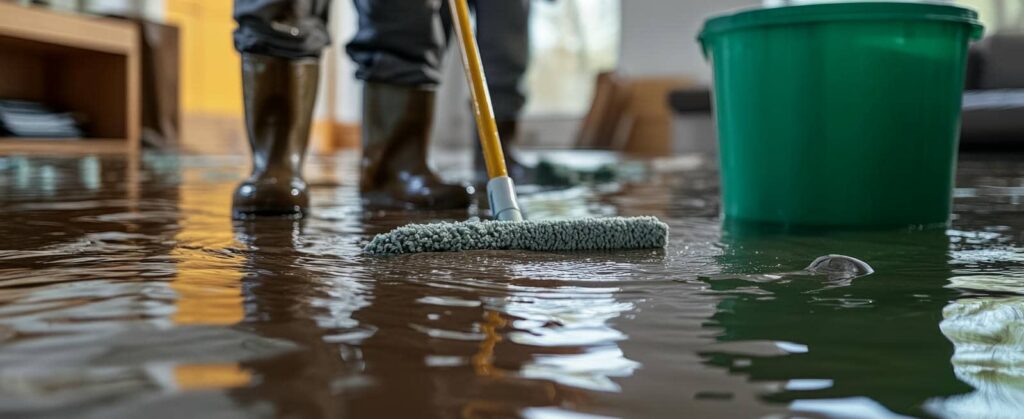
Begin by wearing appropriate safety gear, including gloves, masks, and waterproof boots, to safeguard against contaminants.
Before you start using any drying equipment, familiarize yourself with emergency procedures specific to the situation, such as knowing how to shut off utilities to prevent electrical hazards.
Verify that the area is well-ventilated; this aids drying and minimizes the risk of mold growth.
Regularly check the equipment for any signs of malfunction, and never operate electric devices in standing water.
If you’re unsure about any step, don’t hesitate to consult professionals or local authorities for guidance.
Following these protocols enhances your safety and fosters a sense of community as you work collectively to restore your environment.
Stay vigilant and informed throughout the process.
Frequently Asked Questions
How Long Does It Take for Drying Equipment to Work Effectively?
Drying equipment typically takes 24 to 72 hours to work effectively, depending on moisture levels and environmental conditions. Regularly monitor moisture levels to ensure ideal drying time and adjust equipment as needed for best results.
Can I Use Household Fans Instead of Professional Drying Equipment?
You can use household fans, but they have limitations. Think of them as trying to water a whole garden with a hose instead of a sprinkler. Professional equipment offers greater efficiency, ensuring faster, thorough drying.
What Should I Do if Equipment Causes a Power Outage?
If equipment causes a power outage, prioritize safety precautions. Unplug the equipment, check for tripped breakers, and troubleshoot the issue. If problems persist, consult a professional to ensure proper handling and avoid further complications.
How Do I Know When the Area Is Completely Dry?
You can identify complete dryness by using moisture measurement tools and monitoring drying indicators. When readings consistently show low moisture levels, you’ll know the area is dry and safe for use again.
Are There Specific Products to Enhance Drying Efficiency?
To enhance drying efficiency, consider using powerful dehumidifier types and various air mover options. Studies show ideal airflow and humidity control can reduce drying time, making your recovery process more effective.
Summary
Using drying equipment effectively in flooded homes is like orchestrating a symphony; every element must work in harmony to achieve ideal results. By carefully evaluating damage, selecting the right tools, and monitoring conditions, you can restore your space efficiently. Just as a conductor ensures each musician plays their part, you must maintain and position your equipment strategically. With diligence and attention to detail, you’ll turn chaos into order, bringing your home back to life after water damage.