
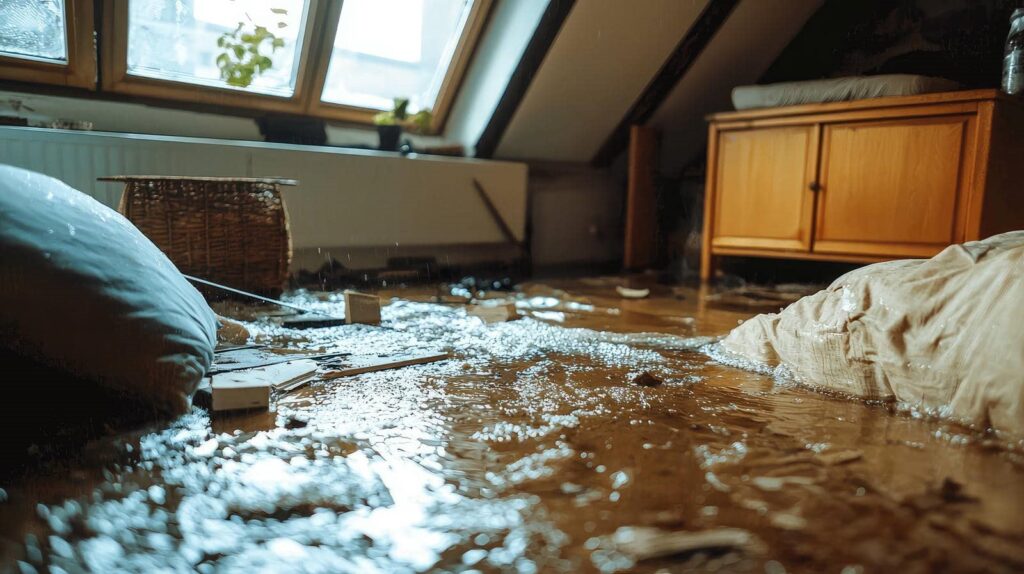
When you encounter water damage, knowing how to navigate the water damage claims process is essential. It’s not just about reporting the incident; it’s about understanding your policy, gathering evidence, and effectively communicating with your insurer. Each step plays an important role in securing the compensation you deserve. As you prepare to tackle these essential steps, consider what information you need to streamline the journey ahead.
Key Takeaways
- Assess the damage thoroughly, documenting the source, extent, and affected items with clear images and detailed inventories.
- Review your insurance policy to understand coverage limits, exclusions, and claim submission requirements.
- Notify your insurance company promptly, providing accurate details about the incident and any mitigation actions taken.
- Gather all necessary documentation, including repair estimates, receipts, and communication records, to support your claim.
- Maintain organized communication logs to track interactions with insurance representatives and contractors throughout the claims process.
Assess the Damage and Document Everything
When you experience water damage, the first step is to thoroughly assess the situation and document everything you see.
Begin by identifying the source of the water intrusion, whether it’s a burst pipe or a roof leak. Carefully examine the affected areas, noting the extent of the damage to walls, floors, and personal belongings. Use your smartphone or camera to capture clear images, as visual evidence is essential for your claim documentation.
Create a detailed inventory of damaged items, including descriptions and estimated values. This damage assessment not only helps you understand the full impact but also strengthens your case with your insurance provider.
Keep all receipts related to repairs and temporary relocations, as these can support your claim further. By meticulously documenting every aspect of the damage, you’ll be better prepared to navigate the claims process and ensure you receive the compensation you deserve.
Review Your Insurance Policy
Before filing a water damage claim, you need to thoroughly review your insurance policy.
Understand your coverage limits and identify any exclusions that could impact your claim.
This clarity will help you strategize your next steps effectively.
Understand Coverage Limits
Understanding your coverage limits is essential, as it directly impacts how much financial support you’ll receive in the event of water damage.
Start by reviewing the coverage types included in your policy. Different policies may offer varying levels of protection, such as dwelling coverage, personal property coverage, and additional living expenses.
Next, pay close attention to your policy limits; these are the maximum amounts your insurer will pay for claims. Knowing these limits helps you gauge whether your coverage adequately protects your property.
If you discover gaps, consider discussing options with your agent. By understanding your coverage limits, you can make informed decisions and ensure you’re part of a community that values preparedness and security.
Identify Exclusions Clearly
While it’s easy to focus on the coverage your policy provides, identifying exclusions is equally essential for effective water damage claim management.
Take the time to review your policy thoroughly, as it often contains critical nuances that dictate what’s not covered. Exclusion types can vary widely, from specific perils like flooding to limitations on the age of plumbing.
Understanding these details helps you avoid unpleasant surprises when you need to file a claim. If you live in a flood-prone area, for instance, you might discover that typical water damage coverage doesn’t apply.
Notify Your Insurance Company
Once you’ve assessed the damage, it’s essential to report the incident to your insurance company promptly.
Providing accurate information about the event and damages will help streamline your claim process.
Additionally, understanding your coverage details ensures you know what to expect during this critical stage.
Report Incident Promptly
Reporting your water damage incident promptly is essential for a smooth claims process. The sooner you notify your insurance company, the better your chances of a successful claim. Delays can complicate your damage timeline, potentially leading to reduced compensation or denial.
When you contact your insurer, be prepared to provide details about the incident, including when it occurred, the extent of the damage, and any immediate actions you took to mitigate further harm.
Timely incident reporting not only assists in establishing a clear record but also demonstrates your proactive approach. This sets a positive tone for your claim and fosters a sense of collaboration with your insurance provider, making it easier to navigate this stressful situation.
Provide Accurate Information
After notifying your insurance company about the water damage incident, providing accurate information becomes a key step in the claims process.
You’ll want to ensure that your reports reflect the true extent of the damage. This means documenting everything thoroughly—take photos, note the time and date, and describe the events leading up to the incident.
Accurate assessments of the damage will help verify your claims and expedite the process. Detailed reports not only assist your insurer in understanding the situation but also strengthen your position as a policyholder.
Understand Coverage Details
Understanding your coverage details is essential, especially when dealing with water damage claims. You need to familiarize yourself with the different coverage types available in your policy.
Standard homeowners insurance often includes water damage from burst pipes, but it might exclude flood-related incidents, which require separate coverage. Knowing these distinctions helps you avoid unexpected costs.
Additionally, be aware of premium differences associated with each coverage type; higher premiums might offer broader protection. Always review your policy thoroughly and consult your insurance agent if you have questions.
This proactive approach ensures you’re not left vulnerable when disaster strikes and reinforces your sense of security within your community. Understanding your coverage allows you to navigate claims confidently.
Gather Necessary Documentation
Gathering necessary documentation is essential when filing a water damage claim. Proper claim documentation not only strengthens your case but also simplifies the process.
You’ll want to focus on evidence gathering to support your claim effectively. Here are some critical items to gather:
- Photos of the damage, showing the extent and specific areas affected.
- Repair estimates from professionals, detailing the costs associated with restoring your property.
- Receipts for any emergency repairs you’ve made to mitigate further damage.
- Records of communication with your insurance provider, including policy numbers and claim numbers.
Submit Your Claim
Once you’ve gathered all necessary documentation, the next step is to submit your claim.
Begin by reviewing your insurance policy to ensure you understand what’s covered and any specific requirements for claim submission. Prepare a detailed account of the water damage, including descriptions and dates of incidents, supported by your documentation.
When you’re ready, submit your claim either online or via mail, depending on your insurer’s processes. Be sure to keep copies of everything for your records.
It’s vital to provide accurate information to avoid delays in the claim process. If your insurer requires additional forms, be prompt in completing them to maintain momentum.
Remember, clarity and completeness are essential in this stage. By following these steps, you help facilitate a smoother experience, demonstrating your commitment to resolving the situation.
This will ultimately foster a sense of belonging within your insurance community as you navigate the claims landscape.
Follow up With Your Insurance Adjuster
After you’ve submitted your claim, it’s crucial to follow up with your insurance adjuster to ensure your case is progressing.
Regular adjuster communication can help you stay informed and make certain that all necessary steps in the claim process are being addressed promptly.
Here are a few strategies to enhance your follow-up efforts:
- Schedule regular check-ins: Set specific times to touch base with your adjuster.
- Stay organized: Keep a log of all communications, including dates and topics discussed.
- Ask questions: Don’t hesitate to inquire about the status of your claim or any documents needed.
- Be proactive: If you notice delays, reach out sooner rather than later to address any issues.
Keep Records of All Communications
Maintaining thorough records of all communications related to your water damage claim can greatly impact the outcome. Effective record keeping is essential; you’ll want to create detailed communication logs for every interaction. Document dates, times, and the names of individuals you speak with, whether they’re insurance representatives, contractors, or adjusters. This creates a reliable reference point for future discussions and helps you stay organized.
When you face delays or disputes, having a complete log can strengthen your position. It demonstrates your diligence and commitment to resolving the claim fairly.
Additionally, keep copies of all emails, letters, and any other correspondence. These documents can serve as valuable evidence if disagreements arise.
Frequently Asked Questions
How Long Do I Have to File a Water Damage Claim?
You typically have a limited timeframe, often ranging from 30 to 90 days, to file your water damage claim. Understanding these water damage timelines helps streamline your claim submission process and ensures you’re covered effectively.
What if My Insurance Coverage Is Insufficient?
If your insurance coverage is insufficient, don’t panic! Understanding exclusions is key. Consider supplemental coverage for future losses. It’s like bringing an umbrella on a sunny day—always better to be prepared than left out in the rain!
Can I Hire My Own Contractor for Repairs?
Yes, you can hire your own contractor for repairs. However, make certain they’re qualified and can provide detailed estimates, as your insurer may require this information to determine coverage for repair costs during contractor selection.
Will My Premium Increase After Filing a Claim?
Yes, your premium might increase after filing a claim. Insurers often consider claim frequency; if you file multiple claims, you could see a more significant premium impact, affecting your overall insurance costs long-term.
What Happens if My Claim Is Denied?
If your claim’s denied, it feels like a door slamming shut. You can initiate a claim appeal process, addressing the denial reasons. Review your policy, gather evidence, and present a solid case to reopen that door.
Recap
By following these seven essential steps, you can navigate the water damage claims process with confidence, much like a seasoned captain steering a ship through turbulent waters. Remember, staying organized and proactive is key. If you document everything meticulously and keep your insurance company in the loop, you’re setting yourself up for a smoother recovery. Don’t let the stress of water damage sink your ship; take control of the situation and ensure you get the compensation you deserve.