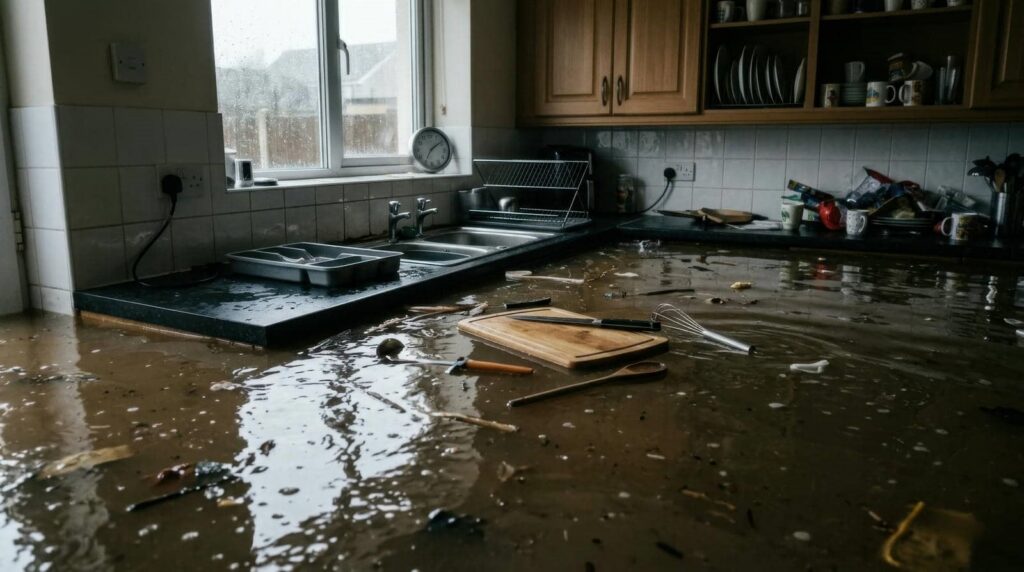
Ignoring water damage can increase your risk of mold exposure by up to 60%, leading to serious health complications. Mold thrives in damp environments, and its spores can trigger respiratory issues and skin irritations. The implications don’t stop at physical health; mental well-being can also suffer from the stress of living in an unsafe environment. Understanding these health risks is vital for maintaining your safety and comfort at home. What other dangers might be lurking if you don’t act?
Key Takeaways
- Ignoring water damage can lead to serious respiratory issues due to mold growth, affecting air quality and immune function.
- Prolonged exposure to mold can cause skin irritations and allergic reactions, leading to chronic discomfort.
- Mental health may deteriorate, increasing anxiety and stress levels from concerns about mold and home repairs.
- Damp environments promote the growth of harmful pathogens, increasing the risk of bacterial and viral infections.
- Delaying repairs escalates financial burdens, leading to higher repair costs and increased utility bills due to ongoing damage.
Respiratory Issues Linked to Mold Growth
When water damage occurs, mold can quickly take root in damp environments, potentially leading to serious respiratory issues. As mold spores disperse into your indoor air, they can trigger a range of health concerns, particularly for those with allergies or asthma.
You might notice increased coughing, wheezing, or even sinus congestion as these spores infiltrate your lungs. It’s essential to understand that even if you can’t see mold, it can still be thriving in hidden spaces, continuously affecting your air quality.
To protect your health and the well-being of your loved ones, you should regularly check for water damage and mold growth. Investing in dehumidifiers and ensuring proper ventilation can help mitigate these risks.
Impact on Immune System Function
Water damage creates an environment ripe for mold growth, which produces spores that can weaken your immune system.
Exposure to these allergens and irritants can lead to increased susceptibility to infections and chronic health conditions.
Understanding this connection is essential for maintaining your overall health in water-damaged spaces.
Mold Growth Risks
Mold growth poses significant risks to your immune system, especially in environments affected by water damage.
When mold thrives, it can compromise your health in several ways:
Immune Response: Mold exposure can trigger an overactive immune response, leading to chronic inflammation.
Respiratory Issues: Mold spores can negatively impact indoor air quality, causing respiratory problems that strain your immune system.
Infections: Individuals with weakened immune systems are more susceptible to infections caused by mold exposure.
To safeguard your health, implement mold prevention strategies like controlling humidity, ensuring proper ventilation, and conducting regular inspections.
Allergens and Irritants
Although many people may not realize it, allergens and irritants commonly found in water-damaged environments can greatly impair your immune system function.
Common allergen sources include mold spores, dust mites, and bacteria that thrive in damp conditions. Exposure to these allergens can trigger symptoms like sneezing, coughing, and fatigue, making it difficult for your body to maintain its defenses.
Irritant symptoms, such as eye irritation and skin rashes, can also arise from contaminated air and surfaces. When your immune system is constantly battling these stressors, it may weaken over time, making you more susceptible to infections and other health issues.
Addressing water damage promptly is essential for protecting your health and ensuring a safe living environment for you and your loved ones.
Skin Irritations and Allergic Reactions
When exposed to water damage, you mightn’t realize that your skin can become a frontline victim, leading to irritations and allergic reactions.
In damp environments, mold and mildew thrive, releasing spores that can trigger skin rashes and other allergic responses. To protect your skin, consider these factors:
Mold Exposure: Prolonged contact with mold can cause rashes and other skin irritations.
Allergy Triggers: Water-damaged areas often harbor allergens, increasing the risk of allergic reactions.
Chemical Irritants: Cleaning agents used to combat water damage can irritate your skin, especially if used frequently.
Ignoring these issues can lead to chronic discomfort and escalating health concerns.
Staying vigilant about your environment and addressing any water damage promptly ensures not just a healthier home, but healthier skin too.
Don’t underestimate the impact of moisture on your body; it’s crucial to act before irritation sets in.
Long-term Mental Health Effects
Water damage can lead to significant long-term mental health effects, including increased anxiety and stress levels.
You may find that your sleep quality deteriorates as these issues persist, creating a cycle that’s hard to break.
Understanding these impacts is essential for addressing your overall well-being.
Anxiety and Stress Increase
Experiencing water damage can lead to a profound sense of anxiety and stress that lingers long after the physical damage is repaired.
This anxiety can greatly impact your emotional well-being, making stress management essential.
Here are three ways water damage can elevate your stress levels:
Constant Worry: You might find yourself preoccupied with potential future problems, such as mold growth or structural issues.
Social Isolation: The stress of dealing with repairs can cause you to withdraw from social interactions, leading to feelings of loneliness.
Financial Concerns: The unexpected costs associated with repairs can create financial stress, further exacerbating anxiety.
Addressing these issues promptly is vital for maintaining your emotional health and fostering a sense of security in your living environment.
Impact on Sleep Quality
While you may not realize it, the effects of water damage extend beyond immediate physical concerns and can greatly disrupt your sleep quality.
Persistent moisture can lead to mold growth, which is known to trigger allergy symptoms and respiratory issues, both of which contribute to sleep disturbances. When you’re struggling to breathe or feeling unwell at night, your overall quality reduces considerably.
Additionally, the stress associated with ongoing water damage can keep your mind racing, making it difficult to relax and fall asleep. Over time, these factors can lead to chronic insomnia, further impacting your mental health.
Addressing water damage promptly is essential for your home and for restoring your peace of mind and ensuring restful, rejuvenating sleep.
Increased Risk of Infections
When surfaces remain damp for extended periods, the likelihood of mold and bacteria growth increases considerably, leading to a heightened risk of infections.
This situation can expose you to various health threats, including bacterial infections and viral outbreaks, which can have serious consequences for your well-being.
To mitigate these risks, consider the following actions:
Regular Inspection: Check areas prone to dampness, such as basements and bathrooms, for signs of moisture or mold.
Prompt Repairs: Address leaks or water damage immediately to prevent further complications.
Proper Ventilation: ensure adequate airflow in your home to minimize humidity levels, reducing the chance of mold proliferation.
Structural Damage and Safety Hazards
Water damage can lead to significant structural problems and safety hazards that may compromise the integrity of your home. When moisture seeps into walls, floors, and foundations, it can weaken structural integrity, leading to issues such as sagging ceilings and warped floors.
These problems diminish your home’s value and pose serious safety risks for you and your loved ones.
Regular safety inspections are vital in identifying potential damage early. Ignoring water damage can result in costly repairs and even endanger your family’s safety. You might find that mold growth and wood rot develop unnoticed, leading to structural failures over time.
Addressing water damage promptly helps maintain a safe living environment and protects your investment. Remember, safeguarding your home’s structural integrity is essential not just for aesthetics but for ensuring a secure, comfortable space for you and your family.
Contaminated Water and Disease Transmission
Contaminated water poses considerable health risks, as it can harbor pathogens that lead to serious diseases. Understanding these risks is vital for maintaining your health and safety. Here are three key points to keep in mind:
Waterborne Pathogens: Contaminated water can contain bacteria, viruses, and parasites that cause illnesses like cholera, dysentery, and hepatitis A. These pathogens thrive in unsanitary conditions.
Transmission Routes: You can contract diseases through direct consumption or by using contaminated water for cooking, cleaning, or bathing. It’s important to be aware of these transmission routes.
Importance of Sanitation Practices: Implementing effective sanitation practices, like boiling water and using proper waste disposal, can greatly reduce your risk of exposure to these harmful pathogens.
Financial Burden of Untreated Damage
Neglecting the financial implications of untreated water damage can lead to significant economic strain over time. You might think that delaying repairs saves money, but untreated damage often escalates, resulting in higher repair expenses down the line.
Mold growth, structural degradation, and increased utility bills can compound the issue, making what could have been a simple fix a costly nightmare.
Moreover, insurance costs can skyrocket if claims arise from prolonged water damage. Insurers often view ongoing neglect as a sign of risk, leading to higher premiums or even denied claims. This financial burden can strain your budget and create uncertainty in your home’s value.
Importance of Timely Water Restoration
Addressing water damage promptly is essential for preventing further complications.
Timely intervention safeguards your property and protects your health. Here are three reasons why you shouldn’t delay restoration:
Mold Growth Prevention: Water creates a breeding ground for mold. A professional assessment can help identify and mitigate this risk before it escalates.
Structural Integrity: Prolonged moisture exposure weakens your home’s structure. Quick action ensures that your home remains safe and sound.
Health Risks: Stagnant water can lead to various health hazards, including respiratory issues. By acting fast, you minimize exposure to harmful contaminants.
Don’t underestimate the importance of swift action.
Engaging professionals for a thorough assessment will help restore your property and provide peace of mind, knowing you’re safeguarding your loved ones and maintaining a healthy living environment.
Frequently Asked Questions
How Can I Identify Water Damage in My Home?
You can identify water damage by looking for water stains on walls and ceilings, and by noticing musty odors throughout your home. Check for peeling paint or warped surfaces, as these are strong indicators of moisture issues.
What Are the Signs of Mold Growth Indoors?
You’ll notice mold growth indoors by spotting discoloration on walls or ceilings, a musty odor, and increased indoor humidity levels. Utilizing mold detection methods, like moisture meters, can also help identify hidden mold issues effectively.
How Long Does It Take for Mold to Grow After Water Damage?
Mold can start growing within 24 to 48 hours after water damage. To prevent this, act quickly to dry affected areas and eliminate moisture, ensuring a safe environment for you and your loved ones.
Can I Clean up Water Damage Myself, or Should I Hire a Professional?
You can attempt DIY cleanup if it’s minor, but hiring professional services is safer for extensive damage. Professionals ensure thorough remediation, preventing future issues, while you might miss hidden problems during a DIY approach.
What Types of Insurance Cover Water Damage Restoration?
Homeowners insurance typically covers water damage from sudden incidents, while flood insurance protects against damage from rising water. Check your policies to ensure you’re fully covered; don’t let unexpected costs sink your ship.
Final Thoughts
Ignoring water damage is like inviting a silent predator into your home, lurking in the shadows and waiting to strike. Mold and bacteria thrive in dampness, ready to release a cascade of health problems that can linger long after the water’s gone. By addressing water damage promptly, you’re not just safeguarding your property; you’re protecting your health and peace of mind. Don’t let the hidden dangers fester—act swiftly to ensure your living environment remains a sanctuary, not a threat.