A small water leak can cause bigger damage than you expect. When you leave moisture behind, it can spread into walls, floors, and insulation, then create mold and structural problems you may not notice right away. You need to remediate water leak damage quickly to limit repairs, protect indoor air quality, and avoid costlier damage later. The real question is how much hidden damage has already started.
Key Takeaways
- Remediation stops moisture from spreading into drywall, insulation, and framing before structural damage worsens.
- Fast cleanup reduces the risk of mold growth, musty odors, and airborne contamination.
- Drying wet materials quickly helps prevent warping, corrosion, and costly replacements.
- Professional remediation removes hidden moisture and contaminated areas for a safer indoor environment.
- Prompt action can lower repair costs and improve insurance outcomes by limiting secondary damage.
Why Water Leak Damage Needs Immediate Remediation
When water leak damage occurs, you need to remediate it immediately because moisture spreads quickly into drywall, insulation, subflooring, and structural framing.
You protect your property’s integrity by acting fast, limiting water damage before materials weaken, swell, or lose load-bearing performance. Your team should shut off the source, extract standing water, and dry affected areas with controlled airflow and dehumidification.
Prompt remediation also helps reduce health risks tied to contaminated moisture and prolonged damp conditions. When you respond early, you lower repair costs, preserve indoor comfort, and keep your space safe for everyone who belongs there.
Delays let moisture migrate farther, complicating restoration and increasing the scope of work. Fast action keeps you in control and supports a cleaner, healthier environment.
Signs You Need Mold Remediation After a Leak
Even after visible water is gone, you may still need mold remediation if damp materials stayed wet long enough for fungal growth to begin.
You should watch for a persistent musty odor, discoloration on drywall, warped flooring, or soft, crumbly trim. If you notice mold symptoms such as coughing, sneezing, watery eyes, or worsening asthma near the affected area, the moisture problem may already be active indoors.
You might also see fuzzy growth around baseboards, behind cabinets, or in ceiling corners after a leak. When you find these signs, request a professional assessment.
A trained specialist can confirm whether contamination has spread beyond what you can see and help you protect your home, your health, and your peace of mind with confidence.
How Water Leak Cleanup Prevents Mold Growth
You need to remove moisture quickly after a leak because standing water creates the right conditions for mold to develop.
Fast cleanup lowers humidity, dries porous materials, and reduces the chance that mold spores will colonize hidden areas behind walls or under flooring.
Remove Moisture Quickly
Swift water removal is critical after a leak because standing moisture creates the conditions mold needs to establish itself. You need to act fast with moisture detection so you can identify wet materials before they stay damp long enough for microbial activity to begin.
Use proven drying techniques, such as high-velocity air movement and controlled dehumidification, to lower indoor humidity and accelerate evaporation. Remove pooled water from floors, subfloors, and porous items right away, then monitor surfaces until they return to safe moisture levels.
When you respond quickly, you protect your space, reduce structural stress, and stay ahead of contamination. A prompt, coordinated cleanup helps you keep your environment healthy and gives your team or household confidence that the damage is under control.
Prevent Hidden Mold Growth
After visible water is gone, hidden moisture can still remain inside wall cavities, insulation, subfloors, and other enclosed spaces, where mold can spread unnoticed.
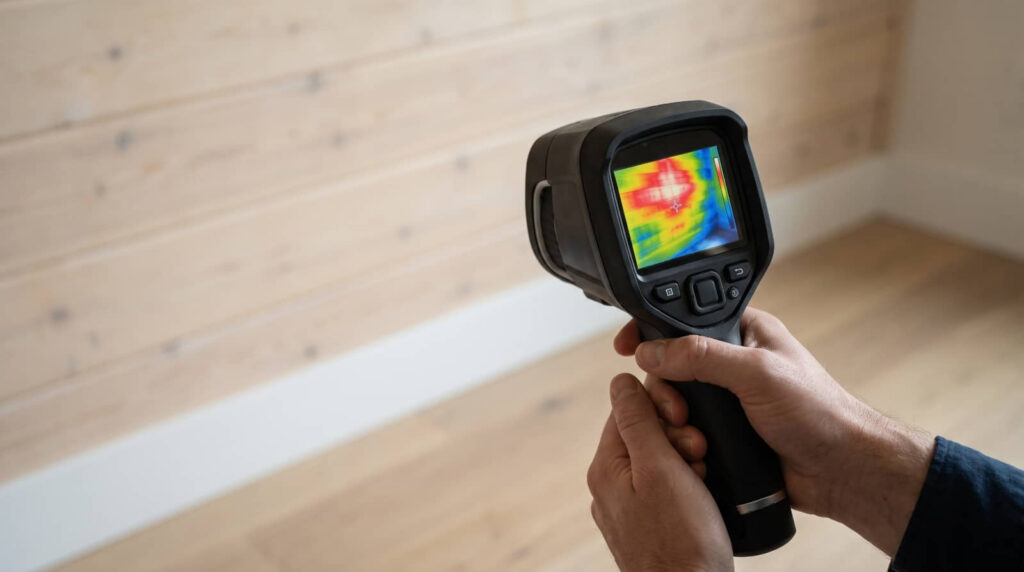
You need thorough cleanup to stop that risk before it affects your home and your comfort. Technicians use moisture detection techniques, such as meters and thermal imaging, to find damp materials you can’t see.
They then dry, remove, and disinfect affected areas so spores can’t colonize. Strong mold prevention strategies also include monitoring humidity, improving airflow, and replacing porous materials that stayed wet too long.
When you act quickly, you protect your property, preserve healthy indoor air, and stay confident that your space is safe for everyone inside.
How Mold Remediation Protects Your Home
Mold remediation protects your home by removing active growth, controlling moisture sources, and reducing the chance of recurring contamination in walls, flooring, insulation, and HVAC systems.
You get targeted cleanup that addresses visible colonies and hidden reservoirs, so the structure stays healthier for everyone inside. Technicians identify mold types, then match containment, filtration, and removal methods to the material involved.
This process also lowers health risks linked to airborne spores, especially in occupied living spaces where sensitive family members may breathe compromised air.
When you choose proper remediation, you protect indoor air quality, preserve building materials, and support a safer, more comfortable home environment.
You’re not just cleaning up damage; you’re restoring a space your household can trust.
Why Fast Water Damage Repair Saves Money
Fast water damage repair saves money by limiting how far moisture spreads and how much secondary damage develops in your home.
When you act quickly, you reduce saturation in drywall, subfloors, insulation, and framing, which helps you avoid costly replacements. You also lower the risk of corrosion, warping, and microbial growth, all of which drive repair bills higher over time.
In your home, prompt action supports cost effective solutions because crews can often dry and restore materials instead of removing them. It can also improve insurance implications by showing that you responded responsibly and prevented avoidable loss.
When to Call Water Damage Specialists
Call water damage specialists when moisture has spread beyond a small, visible area or when you can’t confirm that building materials are fully dry.
You need expert assessment if you see warped flooring, stained drywall, musty odors, or repeated leaks, because hidden water damage can keep spreading behind walls and under floors.
Specialists use moisture meters, thermal imaging, and controlled drying to locate trapped water and verify safe humidity levels. They also document conditions, identify salvageable materials, and recommend remediation steps that fit your property.
By acting early, you reduce structural deterioration, mold risk, and repair costs.
If you’re unsure whether the issue is minor or widespread, call a qualified team so you can protect your home, your health, and your peace of mind.
Frequently Asked Questions
How Long Can Water Damage Sit Before Structural Problems Begin?
Structural problems can start within 24 to 48 hours; you’ll also invite mold growth and weaken structural integrity. If you act fast, you’ll protect your property, reduce costs, and keep your space safe.
Does Insurance Cover Hidden Damage From a Small Leak?
Usually, you do. Like a 2-inch pipe crack hiding behind drywall, hidden damage can expand fast; you’ll file insurance claims promptly, document moisture, and your insurer may cover repairs if the leak’s sudden and accidental.
Can Damaged Drywall Be Dried Instead of Replaced?
Yes, you can dry damaged drywall if moisture assessment shows minimal saturation and no structural breakdown. Drywall restoration works best when you act fast, control humidity, and replace any softened, mold-prone sections.
What Health Risks Come From Contaminated Leak Water?
Contaminated leak water can expose you to gastrointestinal illness, skin infections, and respiratory irritation; unlike clean tap water, it drives mold growth and bacteria proliferation, so you shouldn’t handle it without proper protection.
Should I Shut off Electricity After Discovering a Water Leak?
Yes—you should shut off electricity if water’s near outlets, appliances, or wiring. You’ll protect yourself and your property through electricity safety, then call a licensed professional for assessment and leak prevention before restoring power.
Recap
You can’t afford to wait after a water leak. If you let moisture linger, it can spread silently, weaken materials, and trigger mold before you even notice. With prompt remediation, you protect your home’s structure, reduce health risks, and keep repair costs from escalating. The sooner you act, the more you control the damage—and the outcome. When the signs appear, call specialists fast, because what you don’t see may be the most serious risk.