When faced with water damage, it’s vital to act quickly to prevent fungi from taking hold. Start by evaluating the extent of the damage and swiftly extract any standing water. Once that’s done, focus on drying out the area and disinfecting surfaces to eliminate mold spores. Understanding the right techniques and tools can make all the difference in safeguarding your space. But what comes next in your prevention strategy?
Key Takeaways
- Extract water quickly using wet/dry vacuums or pumps to minimize moisture levels and reduce fungal growth risk.
- Begin drying affected areas immediately with dehumidifiers and good airflow to inhibit mold development.
- Clean and disinfect surfaces with specialized products like hydrogen peroxide or vinegar to eliminate remaining fungi.
- Monitor humidity levels using hygrometers, aiming to maintain indoor humidity between 30% and 60%.
- Inspect and replace damaged materials with moisture-resistant options to prevent future fungal growth.
Assessing the Extent of Water Damage
When evaluating the extent of water damage, it’s vital to act quickly and methodically. Start with water source identification to determine where the moisture is coming from—whether it’s a burst pipe, roof leak, or floodwaters. Understanding the source is critical for effective remediation.
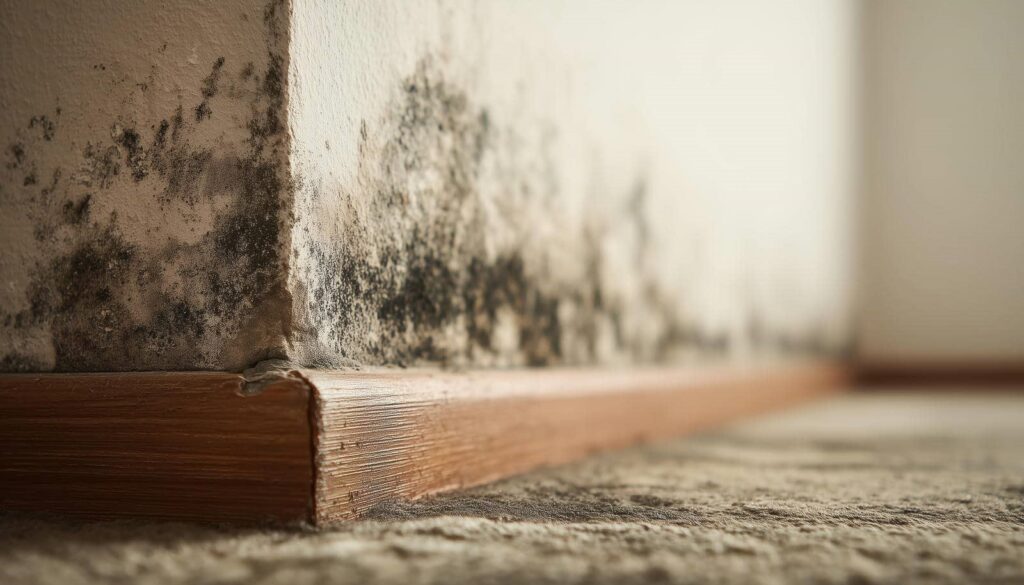
Next, employ damage assessment techniques to gauge the severity of the situation. Use moisture meters to measure levels in walls, floors, and other materials. Inspect for visible signs of damage like discoloration, warping, or mold growth. Document your findings meticulously to guide future remediation efforts.
Consider the materials involved; porous substances like drywall and insulation absorb water more readily, worsening damage.
Immediate Water Extraction Techniques
Act swiftly to extract water from the affected area, as prompt action is essential in preventing mold growth and further damage.
Start by identifying the source of the water intrusion, then employ effective water extraction methods. Use a wet/dry vacuum for smaller areas, ensuring you remove as much water as possible. For larger volumes, consider utilizing submersible pumps, which can efficiently handle considerable quantities of water.
In an emergency response, prioritize safety by wearing personal protective equipment, like gloves and masks, while working in damp conditions.
If the situation is extensive, don’t hesitate to contact professionals who specialize in water damage restoration. They possess advanced equipment and techniques to expedite the extraction process and mitigate risks.
Drying and Dehumidification Process
Swift action is vital in the drying and dehumidification process to prevent mold growth after water damage.
You’ll need to focus on effective airflow and ventilation techniques, as these will enhance moisture evaporation.
Additionally, understanding how to properly use dehumidifiers is essential for maintaining ideal humidity levels in the affected area.
Importance of Swift Action
Since fungi thrive in damp environments, addressing water damage quickly is essential to preventing mold growth and structural damage. A swift response curbs the potential for fungal proliferation while safeguarding your home and your health.
Begin the drying process immediately by removing excess water using pumps and wet vacs. Next, deploy dehumidifiers to reduce moisture levels effectively. This step is vital, as fungi can start growing within 24 to 48 hours after water exposure.
Keep in mind that proper drying and dehumidification can greatly enhance your chances of successful fungal prevention. By taking prompt action, you’re protecting your property and fostering a safe, healthy environment for you and your loved ones.
Airflow and Ventilation Techniques
To effectively combat moisture and prevent fungi from taking hold, enhancing airflow and ventilation is essential during the drying and dehumidification process.
Implementing proper airflow techniques, such as positioning fans to create a cross-breeze, can greatly expedite drying. Open windows and doors to facilitate natural ventilation, promoting air circulation throughout the affected area.
Additionally, consider using specialized ventilation systems to ensure consistent airflow, particularly in enclosed spaces. These systems can help regulate humidity levels, making it harder for fungi to thrive.
Dehumidifier Usage Guidelines
When dealing with water damage, employing dehumidifiers is essential for effectively reducing moisture levels and preventing fungal growth.
You should choose the right dehumidifier types based on the affected area’s size and moisture level. For large spaces, opt for industrial-grade units, while smaller areas may only require portable ones.
Proper dehumidifier placement is key; position the unit in the most damp areas, ensuring it’s at least six inches from walls to maximize airflow.
Keep doors and windows closed to prevent outside humidity from affecting the dehumidifier’s efficiency. Regularly check and empty the water reservoir or set up a continuous drainage option.
Following these guidelines will help you create a dry environment, reducing the risk of fungi considerably.
Cleaning and Disinfecting Affected Areas
Before you begin cleaning and disinfecting affected areas, ensure you take necessary safety precautions to protect yourself from harmful pathogens.
You’ll need to understand the appropriate cleaning solutions to use and how to apply them effectively.
Finally, mastering disinfection techniques will help eliminate any remaining fungi and prevent future growth.
Safety Precautions First
As you prepare to clean and disinfect areas affected by water damage, it’s crucial to prioritize safety.
Start by wearing appropriate protective gear, including gloves, masks, and goggles, to shield yourself from harmful spores and chemicals. Make sure you’ve undergone safety training to understand the risks involved and the proper handling of cleaning substances.
Before beginning, assess the area for structural hazards and ensure adequate ventilation. If the damage is extensive or mold is visible, consider consulting professionals who specialize in mold remediation.
Always have a first aid kit on hand and know emergency procedures.
Cleaning Solutions Overview
To effectively clean and disinfect areas affected by water damage, you’ll need to choose the right cleaning solutions that target mold and mildew while ensuring safety.
Start by selecting specialized cleaning products designed for mold removal, such as those containing hydrogen peroxide or vinegar. These solutions not only eliminate existing mold but also help prevent future growth.
Make sure you wear protective gear, like gloves and masks, when handling these products. For porous materials, consider using a steam cleaner or a HEPA vacuum to remove spores effectively.
Always follow the manufacturer’s instructions for safe use and dilution. By using appropriate cleaning products, you’ll create a healthier environment and greatly reduce the risk of mold recurrence in your space.
Disinfection Techniques Explained
While you may have already selected effective cleaning solutions, understanding the proper disinfection techniques is essential for eliminating mold and ensuring a safe environment.
Start by selecting appropriate disinfection methods, such as hydrogen peroxide or bleach solutions, specifically formulated to target fungal spores. Apply these solutions directly to affected areas, ensuring thorough saturation. Allow the disinfectant to sit for the recommended time to maximize efficacy.
Afterward, scrub surfaces to remove any remaining spores and debris. Don’t forget to ventilate the area to help disperse any lingering spores.
Finally, consider using a HEPA filter vacuum for additional cleanup, as it effectively traps fungal spores. Following these steps will help create a healthier, mold-free environment for you and those around you.
Monitoring Humidity Levels
How can you effectively manage humidity levels after water damage? First, you need to implement effective humidity control measures.
Start by using dehumidifiers to reduce moisture in the air. Position them strategically in affected areas to maximize their efficiency. Next, invest in moisture monitoring tools, such as hygrometers, to track humidity levels continuously. Aim for indoor humidity between 30% and 60% to inhibit fungal growth.
Regularly check these readings, especially after heavy rain or flooding. If humidity levels exceed this range, take immediate action by increasing ventilation or utilizing fans to circulate air.
You should also inspect hidden areas, like basements or crawl spaces, as these often harbor excess moisture. By diligently monitoring humidity, you create an environment that discourages fungi and promotes safety and health in your home.
This proactive approach protects your property while fostering a sense of community well-being.
Repairing and Replacing Damaged Materials
After addressing humidity levels, it’s crucial to focus on repairing and replacing materials damaged by water.
Begin with material restoration, evaluating which items can be salvaged. Often, drywall, carpeting, and insulation are prime candidates for replacement. If materials are extensively soaked or show signs of mold, it’s best to remove them entirely.
For replacement options, choose materials resistant to moisture and fungi, such as treated wood or synthetic flooring. Verify that any new materials meet industry standards to prevent future issues.
When replacing drywall, opt for moisture-resistant varieties designed for high-humidity areas.
Always consult a professional if you’re unsure about the extent of damage or the best restoration methods.
Implementing Preventative Measures for Future Incidents
To prevent future water damage incidents, it’s essential to implement a proactive maintenance plan that addresses potential vulnerabilities in your home.
Start with routine inspections of your plumbing, roof, and foundation. Look for leaks, cracks, or signs of wear that could lead to water infiltration. Additionally, make sure your gutters and downspouts are clear and functioning properly to direct water away from your home’s structure.
Investing in high-quality waterproofing solutions can also enhance your home’s resilience. During heavy rains or storms, consider using sandbags or barriers to protect entry points.
Incorporate future planning by establishing a timeline for regular maintenance tasks, such as checking appliances and sealing windows.
Frequently Asked Questions
How Long Does It Take for Fungi to Develop After Water Damage?
Fungal growth can begin within 24 to 48 hours after water damage, especially if moisture levels remain high. Acting quickly to reduce humidity is essential to prevent extensive fungal development and associated health risks.
What Types of Fungi Are Most Common After Water Exposure?
Common mold types after water exposure include Stachybotrys, Aspergillus, and Penicillium. Recognizing fungal growth factors like moisture, temperature, and organic matter helps you effectively address and manage these issues in your living space.
Can I Treat Mold Myself or Should I Hire a Professional?
You can treat mold yourself with effective DIY solutions, but hiring a professional ensures thorough mold removal, especially in severe cases. Consider your comfort level and the extent of the infestation before deciding.
What Safety Precautions Should I Take While Cleaning Mold?
When tackling mold, wear gloves and a mask to shield yourself from spores. Ensure proper ventilation and use effective cleaning techniques. Prioritize mold safety; it’s your home, and you deserve a healthy, thriving space.
Will My Homeowner’s Insurance Cover Mold Remediation Costs?
Your homeowner’s insurance may cover mold remediation costs, but it depends on your policy and circumstances. Review your insurance coverage closely, and consider mold prevention measures to minimize future risks and claims.
Conclusion
By swiftly addressing water damage, you can prevent fungi from taking root like an unwelcome intruder in your home. Extracting water, drying thoroughly, and disinfecting surfaces are your armor against mold growth. Keep a vigilant eye on humidity levels, ensuring they remain within a safe range. Repairing damaged materials will restore your space, while implementing preventative measures will fortify it against future incursions. With these steps, your home can emerge unscathed, much like a phoenix rising from the ashes.