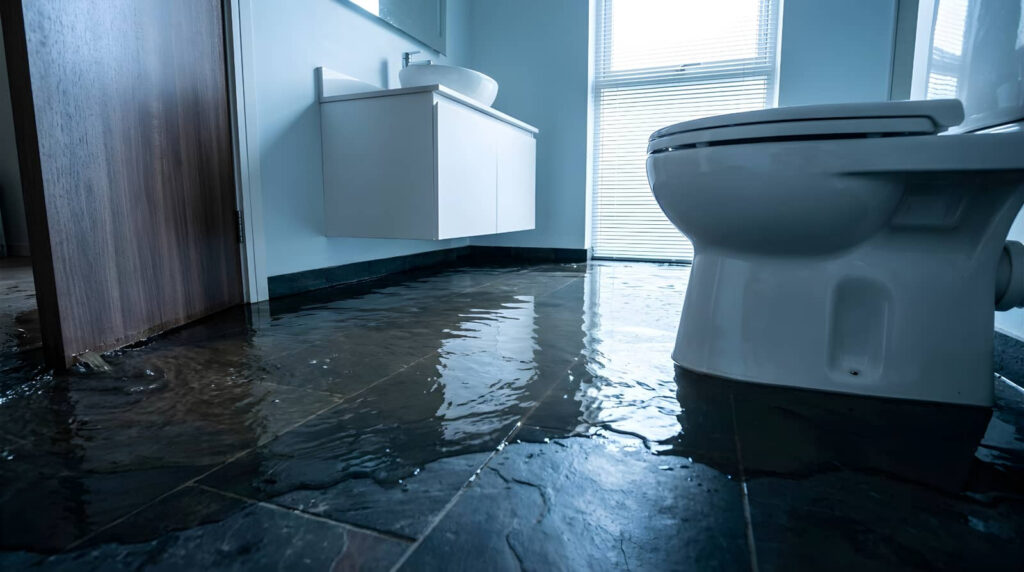
Sewage damage can spread contamination faster than most homeowners expect. Sewage Damage Restoration should begin by shutting off the water supply, then using protective gear before entering the affected area. Next, remove contaminated water and damaged materials with proper equipment, working from the least affected space outward. After that, disinfect every surface and keep humidity low so mold can’t take hold. The key details behind each step matter more than you might think.
Key Takeaways
- Shut off water, avoid all drains, and wear protective gear before starting cleanup.
- Remove sewage with contaminated-water equipment and discard porous materials like carpet padding and drywall.
- Bag and label contaminated debris, then follow local hazardous-waste disposal rules.
- Disinfect hard surfaces thoroughly using an EPA-registered cleaner or properly diluted bleach solution.
- Dry the area quickly with fans and dehumidifiers to prevent mold and hidden moisture problems.
Stop the Sewage Backup Safely
If sewage is still backing up, shut off the water supply to the affected fixture or the main valve if you can do so safely. Then stop using all drains, toilets, and appliances connected to the line.
Put on safety equipment before you approach the area: gloves, boots, eye protection, and a respirator if needed. Keep children and pets away, and avoid contact with any contaminated surfaces.
If you have a sewer cleanout, don’t open it unless you’re trained and the system is under control. Check for electrical hazards near wet areas and turn off power only if you can reach the breaker safely.
Document the problem, then contact a licensed plumber or restoration team for backup prevention. Acting quickly helps protect your home and keeps your crew aligned.
Remove Sewage Water and Damaged Materials
Now remove standing sewage water with a wet vacuum, pump, or extraction equipment rated for contaminated water, and work from the least contaminated areas toward the most affected.
Use controlled drainage techniques to guide flow into sealed containers or approved disposal points.
You should bag and remove porous items that soaked through, including carpet padding, drywall, insulation, and particleboard, because they trap contamination.
Keep contaminated debris separate from clean materials so you can track what’s salvageable.
Label everything as hazardous waste and follow local disposal rules before transport.
As you work, cut material in manageable sections to limit spread and make cleanup easier.
If you’re unsure whether an item can be saved, treat it as unsalvageable and remove it with the rest.
Disinfect and Dry to Prevent Mold
Once you’ve removed the sewage water and contaminated materials, disinfect all remaining hard surfaces with an EPA-registered cleaner or a bleach solution labeled for sewage cleanup, following the product’s contact time and dilution instructions.
Scrub joints, corners, and hidden edges so you don’t leave residue behind. After disinfecting, rinse if the label requires it, then dry the area fast with fans, dehumidifiers, and open airflow.
Keep indoor humidity low, and check wall cavities, subfloors, and insulation for trapped moisture. These sanitation practices support mold prevention and help you protect your space.
Wear gloves, boots, and respiratory protection while you work, and seal contaminated waste in heavy bags.
If you notice odor, discoloration, or dampness after drying, repeat cleanup promptly so your home feels safe again.
Frequently Asked Questions
How Long Does Sewage Damage Restoration Usually Take?
You’ll usually need 1-7 days for sewage damage restoration, depending on cleanup factors. Your restoration timeline can extend if contamination, drying, repairs, or inspections take longer, so you’re not alone while crews work.
Does Homeowners Insurance Cover Sewage Backup Cleanup?
Usually, your homeowners insurance won’t cover sewage backup cleanup unless you’ve added specific protection. You’ll want to check coverage limitations, policy exclusions, and any optional endorsements so you’re protected when problems happen.
When Should I Call a Professional Restoration Company?
Call a professional restoration company when sewage odor lingers, contamination risks rise, or water spreads beyond one room. You’ll get safer cleanup, faster drying, and proper disinfection, so your home feels protected and restored.
Can Sewage Damage Affect My HVAC System?
Yes—sewage can contaminate your HVAC, like a bad storm cloud spreading smoke; one leak can taint ducts. You’ll need HVAC maintenance, because contamination risks rise fast, and you deserve a safe, clean system.
How Do I Know if Structural Repairs Are Needed?
You’ll need structural repairs if cracks, sagging, warped framing, or shifting floors appear. Schedule a foundation inspection and moisture assessment, then verify load-bearing members stayed sound. If you find rot, you should repair immediately.
Summary
Restoring sewage damage can feel like steering through a storm, but quick, careful action keeps the mess from spreading. Shut off the water, protect yourself, and remove contaminated water and damaged materials with the right equipment. Then disinfect every surface and dry the area fast to block mold before it takes root. If you work methodically and stay alert for hidden moisture, you’ll turn a hazardous cleanup into a controlled recovery.