
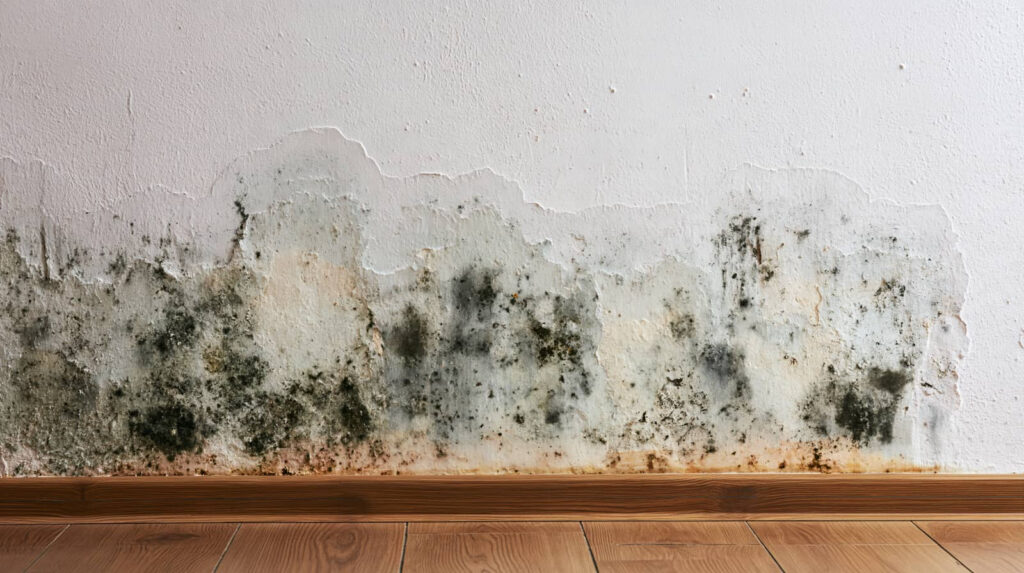
Flooding doesn’t just leave visible water damage; it can create the exact moisture conditions black mold needs to spread. Once water soaks into drywall, carpet, insulation, and subfloors, you can’t assume the area is safe just because the surface feels dry. Hidden dampness, limited airflow, and warm indoor temperatures let mold colonize fast, often before you notice the first signs. What happens next can affect both your structure and indoor air quality.
Key Takeaways
- Flooding leaves moisture and organic material in walls, floors, and insulation, creating ideal conditions for black mold growth.
- Mold can start growing within 24 to 48 hours if damp materials are not dried quickly.
- Hidden water behind drywall, under flooring, and inside ducts often feeds mold even when surfaces look dry.
- Floodwater contamination and disturbed debris can spread spores and worsen indoor mold problems.
- Fast drying, removal of soaked materials, and moisture control are essential to prevent black mold after flooding.
What Makes Flooding Trigger Black Mold?
Flooding triggers black mold because it creates the three conditions mold needs to grow: moisture, organic material, and limited drying time.
When floodwater contamination soaks drywall, carpet, insulation, and wood, you give spores a nutrient source and a wet surface to colonize. Even clean-looking materials can trap water behind walls or under flooring, where you can’t see damage right away.
If you act quickly, you strengthen mold prevention by removing saturated items, drying structural cavities, and controlling indoor humidity. You should also wear protection, because disturbed debris can release contaminants.
Your response matters: the sooner you extract water and ventilate the space, the less likely black mold is to establish and spread through your home.
Why Black Mold Grows So Fast
Black mold grows fast because you give it moisture-rich surfaces that support immediate colonization.
Once spores land, they spread quickly through air currents, dust, and contact, allowing new growth to establish across adjacent materials.
In flooded spaces, that combination of water availability and rapid dispersal can turn a small contamination point into a widespread infestation in a short time.
Moisture-Rich Surfaces
When water lingers on walls, flooring, insulation, or furnishings, it creates a moisture-rich surface that lets black mold establish rapidly.
You should recognize that porous materials trap water within fibers, pores, and seams, extending moisture retention long after visible wetness fades.
Different surface types behave differently: drywall and carpet absorb deeply, while wood, concrete, and metal dry at different rates. That variation creates ideal pockets for fungal growth on your property.
If you belong to a home or facility affected by flooding, you need to inspect hidden layers, not just exposed surfaces.
Temperature, humidity, and inadequate airflow can keep these materials damp, so black mold finds stable conditions quickly.
Immediate drying and material assessment reduce the chance that these moisture-rich zones remain active.
Rapid Spore Spread
Even a brief flood can trigger rapid black mold spread because spores disperse through air, settle on damp surfaces, and germinate as soon as conditions support growth.
You’ll see this accelerated when spore dispersal pairs with environmental triggers such as warmth, humidity, and poor ventilation. In your recovery zone, mold can colonize in hours, not days, because each colony releases more spores and expands the contamination cycle.
- Spores stay airborne after disturbance.
- Wet drywall, wood, and insulation absorb contamination.
- Stagnant air preserves ideal humidity.
- Early drying interrupts growth and protects your space.
You’re not dealing with random damage; you’re managing a predictable biological response.
When you act quickly, you reduce spread, limit exposure, and help your household regain a safer, cleaner environment.
How Long Floodwater Takes to Cause Mold
Floodwater can trigger mold growth within 24 to 48 hours if you don’t dry affected areas quickly.
Moisture often remains trapped in drywall, insulation, wood, and subflooring, so visible drying doesn’t mean the materials are dry.
Warm temperatures, poor airflow, and porous surfaces can accelerate mold development, so you need to act immediately.
Mold Growth Within 24-48 Hours
Within 24 to 48 hours after a flood, moisture can trigger active mold growth on porous materials such as drywall, insulation, carpet, and wood.
You need to treat this window as critical because mold types begin colonizing fast, and health risks rise as spores accumulate. Acting early helps you stay with a prepared community of homeowners who respond decisively.
- Inspect affected rooms immediately.
- Remove standing water and damp contents.
- Dry surfaces with ventilation and dehumidification.
- Discard items that stayed wet too long.
You can’t wait for visible colonies alone; the biology already starts.
Because you belong among people who protect their homes with discipline, you should document conditions, limit exposure, and prioritize rapid cleanup before contamination spreads further.
Hidden Moisture In Materials
Hidden moisture trapped inside drywall, insulation, subflooring, framing cavities, and upholstery can keep feeding mold long after the surface feels dry.
You can’t judge safety by touch alone; water often remains in porous materials and concealed voids. In practice, mold can start once damp materials stay wet for 24 to 48 hours, but hidden reservoirs extend that window.
You should use moisture detection tools, not guesswork, to find elevated readings behind finishes and inside assemblies. A thorough material assessment helps you decide what to dry, remove, or replace.
If you belong to a flood recovery team, this step protects everyone by limiting unseen contamination and avoiding repeated cleanup.
Fast, documented drying matters, because trapped water keeps the environment favorable for mold growth.
Factors That Speed Growth
How fast mold appears after flooding depends on more than the clock: temperature, humidity, airflow, material type, and contamination level all affect growth speed. You’ll usually see risk rise within 24 to 48 hours when moisture stays trapped.
- Higher humidity levels keep surfaces wet and let spores germinate faster.
- Warm conditions accelerate metabolism; temperature control slows colonization.
- Porous materials like drywall and insulation hold water and feed growth.
- Poor airflow prevents drying, so you face a longer wet window.
If floodwater carried soil, sewage, or debris, you’re dealing with extra nutrients and more spores. Act quickly, dry materials thoroughly, and monitor hidden cavities so your team stays ahead of black mold.
Where Black Mold Hides After Flooding
After flooding, black mold often develops in materials that stay damp long after surface water is gone. You’ll usually find it in hidden locations: behind drywall, under baseboards, inside insulation, beneath vinyl flooring, and in subfloor seams.
It also hides in HVAC ducts, wall cavities, cabinet backs, and the padding under carpets. Because moisture wicks upward and lingers, you need to inspect every porous layer, not just visible surfaces.
If you belong to a home team handling cleanup, use prevention strategies that remove wet materials quickly, improve airflow, and verify dryness with meters.
Don’t ignore enclosed spaces around plumbing penetrations, closets, or crawl spaces; they’re prime reservoirs. When you target these areas early, you reduce the chance that mold establishes itself deeper within your structure.
Signs Black Mold Is Already Spreading
When mold is spreading, you’ll notice more than a musty odor: visible growth often expands beyond the original wet area, staining drywall, trim, or insulation with dark green, gray, or black patches.
You may also see:
- Powdery residue that returns after cleaning.
- Warped surfaces that keep changing shape.
- Persistent coughing, eye irritation, or congestion indoors.
- A stronger odor in adjacent rooms, not just the flood zone.
These signs tell you colonies are active and dispersing spores. Don’t dismiss them as cosmetic damage.
Tighten your mold prevention tips, limit traffic through affected areas, and monitor indoor air quality with a hygrometer or particle sensor. If the pattern keeps widening, you’re likely dealing with an established source that needs prompt assessment.
Why Drying Walls and Floors Matters
Drying walls and floors quickly is critical because trapped moisture feeds mold growth inside materials you can’t easily see. You need to reduce humidity in every layer, not just on the surface, so water doesn’t stay in drywall, baseboards, or subflooring.
Effective drying techniques use airflow, dehumidification, and targeted heat to remove moisture before it spreads deeper into wall materials. If you wait, porous materials can hold water long enough for mold to colonize hidden cavities and weaken finishes.
You’re not alone in this process; a disciplined drying plan protects your home and helps your team restore it correctly. Check moisture readings often, and keep drying until the structure reaches safe levels.
Rapid action limits damage, shortens recovery, and prevents recurring problems.
How Black Mold Affects Indoor Air
Even after visible water is removed, black mold can continue affecting indoor air by releasing spores, fragments, and microbial volatile organic compounds into the breathing space. You inhale these indoor pollutants, and they can degrade air quality in every occupied room.
Spores stay airborne, then circulate through HVAC pathways and settled dust.
Fragments add allergenic load, increasing irritation for sensitive people.
VOCs create persistent odors and signal ongoing biological activity.
Moist surfaces keep emissions active, so the contamination doesn’t stay localized.
You belong in a healthy home, so monitor humidity, ventilation, and odor patterns closely.
If you notice musty air, treat it as a measurable air quality issue, not just a nuisance.
When Flood Damage Needs Mold Remediation
Flood damage needs mold remediation when moisture has remained in porous materials long enough for fungal growth to begin, spread, or recur after surface drying.
You should treat drywall, insulation, carpet padding, and subflooring as high-risk if they stayed wet for more than 24 to 48 hours.
You’ll also need remediation when you see discoloration, musty odor, or repeated dampness after cleanup. These signs mean drying alone hasn’t stabilized the environment.
Act quickly, document affected areas, and use mold prevention strategies that control humidity and remove remaining wet materials.
Strong flood recovery tips include improving ventilation, isolating contaminated rooms, and verifying moisture levels with a meter.
When you respond early, you protect your household and reduce the chance of hidden growth returning.
How Black Mold Removal Restores Your Home
Black mold removal restores your home by eliminating the fungal source, reducing airborne spores, and stopping further damage to building materials.
You regain a safer indoor environment when specialists isolate affected zones, remove contaminated porous materials, and clean salvageable surfaces with approved agents. Their restoration techniques also address hidden moisture, so the infestation doesn’t return.
- Inspect framing, drywall, and insulation for concealed growth.
- Extract water, dry assemblies, and verify moisture levels.
- Apply containment, HEPA filtration, and antimicrobial treatment.
- Implement mold prevention strategies through ventilation, drainage, and routine monitoring.
You can trust this process to rebuild structural integrity, protect indoor air quality, and restore comfort for everyone in your home.
Frequently Asked Questions
Can Black Mold Start Growing Within 24 Hours After Flooding?
Yes, black mold can start growing within 24 hours after flooding if you don’t control moisture quickly. You should prioritize moisture control, because mold growth accelerates on damp materials and spreads fast in humid conditions.
Does Insurance Cover Black Mold Cleanup After a Flood?
Usually, you’re covered only if your insurance policy specifics include sudden flood damage and mold cleanup. Review exclusions, deductible terms, and mold prevention strategies. When the water rises, you’ll want clear documentation and prompt mitigation.
Can Flooding Cause Mold in Hidden HVAC Ducts?
Yes, flooding can cause mold in hidden HVAC ducts when moisture lingers. You should inspect your system promptly, schedule HVAC maintenance, and arrange duct cleaning to protect your home and your community from contamination.
Is Black Mold Dangerous to Pets and Children?
Yes, black mold can harm your pets and children; you should treat it as a health risk. Follow mold prevention tips, improve ventilation, and protect pet safety by removing moisture and cleaning contamination promptly.
Should Carpet Be Removed After Floodwater Exposure?
Yes—remove carpet after floodwater exposure. You’ll need a moisture assessment to decide if carpet replacement’s necessary. Saturated fibers trap contaminants, and swift, systematic stripping helps you stay safe, supported, and mold-free.
Recap
After flooding, black mold can start growing in as little as 24 to 48 hours, and that speed matters. You need to act fast because soaked drywall, carpet, and insulation hold hidden moisture that fuels contamination even after surfaces look dry. If you dry materials, control humidity, and remove damaged items quickly, you cut mold risk and protect indoor air quality. When you don’t, you invite a costly remediation problem into your home.