After a sewage backup, mold can begin growing within 24 to 48 hours, so you can’t assume the threat ends when the water is gone. You’re dealing with moisture, bacteria, and hidden contamination that can spread through porous materials and HVAC pathways. If you leave black mold in place, you raise the risk of respiratory problems and structural damage. The real issue is often worse than it first appears, and the next step matters.
Key Takeaways
- Sewage backups leave moisture and nutrients that let black mold grow quickly in hidden areas.
- Mold can keep spreading even after surfaces look dry because moisture remains in walls and flooring.
- Black mold after a backup can worsen allergies, respiratory problems, and skin irritation.
- Removing it treats the contaminated area as a health hazard and reduces airborne spore exposure.
- Proper cleanup also prevents recurring mold by removing wet porous materials and drying the space fully.
Why Black Mold Grows After Sewage Backups
After a sewage backup, black mold can grow quickly because the spill leaves behind abundant moisture, organic material, and contaminants that support fungal growth.
You’re dealing with a high-risk environment where porous materials, hidden cavities, and trapped humidity create ideal conditions for mold growth. Sewage contamination adds nutrients and microbes that accelerate colonization, especially on drywall, insulation, carpet, and wood.
Even if surfaces look dry, residual moisture can remain inside walls and under flooring, allowing spores to spread.
You should assume the affected area needs careful containment and professional assessment, because airborne particles can move through your space.
When you act promptly, you protect your home, reduce exposure, and help your household stay safer together.
Signs You Need Black Mold Removal Fast
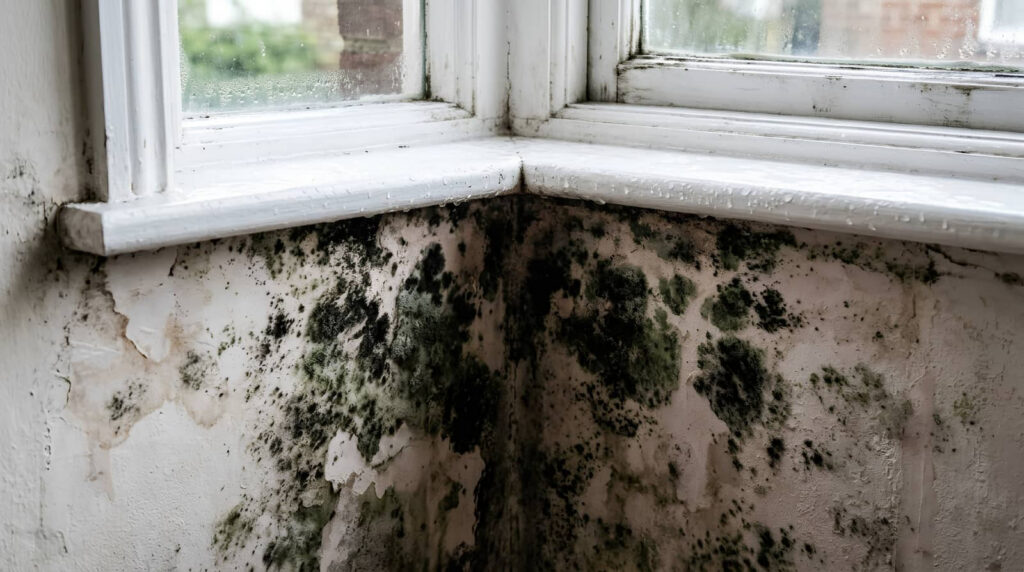
When you notice a musty odor, visible dark growth, recurring moisture, or worsening allergy or respiratory symptoms, you may need black mold removal fast.
You should inspect affected rooms, wall cavities, and porous materials with mold identification techniques to confirm active contamination. If staining expands after drying, if surfaces stay damp, or if the odor returns after cleaning, treat the area as unstable.
You’ll want to isolate the space, limit traffic, and document conditions before cleanup begins. These emergency response strategies help you act with your household or team in mind, reduce spread, and support a coordinated professional assessment.
Don’t wait for the problem to self-correct; fast action improves containment, protects your shared environment, and keeps remediation options straightforward.
Health Risks of Mold After a Sewage Backup
A sewage backup raises the health risk of mold because it introduces both excess moisture and pathogens that can contaminate porous building materials, HVAC components, and hidden cavities.
You’re exposed to a higher chance of mold toxicity when spores multiply in damp drywall, insulation, and subflooring.
Because sewage also carries bacteria and waste, the contaminated environment can trigger respiratory issues, eye irritation, and skin reactions, especially if you already have asthma or allergies.
You may feel safer around your home, but shared spaces can keep circulating airborne particles.
- Damp walls and flooring
- Musty air in vents
- Coughing after entering rooms
How to Remove Black Mold After Backup
Because sewage exposure can leave hidden contamination behind, you should treat black mold removal as a hazardous cleanup, not a routine scrub job.
First, seal the area, shut off HVAC, and wear gloves, goggles, and a respirator as core safety precautions.
Then remove porous materials that you can’t fully decontaminate, bag them immediately, and double-seal the waste.
For hard surfaces, use approved mold removal techniques: scrub with detergent and water, then apply an EPA-registered fungicidal cleaner per label directions.
Keep surfaces damp while cleaning to limit spore spread, and change cloths often.
If you see mold inside insulation, drywall, or subflooring, stop and call certified help.
You’re protecting your space and the people who belong there.
Prevent Mold After Sewage Cleanup
After sewage cleanup, keep the space dry and monitored so mold can’t take hold. You should inspect hidden cavities, baseboards, and flooring daily for dampness, staining, or odor.
Run dehumidifiers, increase airflow, and replace any porous material that stayed wet too long. Your mold prevention strategies work best when you document moisture readings and act fast on any rise.
During sewage backup cleanup, seal off contaminated zones and use HEPA filtration to reduce airborne spores.
- Dry wall studs and subfloors with fans
- Disinfect hard surfaces with approved cleaners
- Recheck humidity until it stays below 60%
Frequently Asked Questions
How Long Does Black Mold Take to Appear After a Backup?
You’ll usually see mold growth timeline start within 24 to 48 hours after a backup, though factors influencing mold include temperature, moisture, and materials. You should act fast, since conditions can accelerate visible mold growth.
Can Black Mold Spread to HVAC Systems After Sewage Backup?
Yes, black mold can spread into your HVAC system after sewage backup. You should prioritize mold detection and HVAC maintenance immediately, because spores travel through ductwork and contaminate air, affecting your household’s safety and comfort.
Does Homeowner’s Insurance Cover Black Mold Removal After Backup?
Usually, you’re covered only if your insurance policies include mold coverage after a sudden, accidental backup; read exclusions closely. You should document damage, act fast, and ask your adjuster whether remediation qualifies under your policy.
Should Contaminated Drywall Always Be Replaced After Backup?
You should usually replace contaminated drywall; it’s the house’s skin, and once soaked, it can hide decay. You protect drywall integrity and mold prevention by removing damaged sections, but you can’t assume every panel needs full replacement.
What Professional Certifications Should Mold Remediators Have?
You should choose remediators with IICRC, EPA, and state mold licenses. They’ll use mold prevention techniques, assess health risks, and follow containment standards, helping you feel confident your team belongs to a safe, professional response.
Recap
You can’t afford to ignore black mold after a sewage backup. Once sewage soaks materials, mold can explode overnight, turning a small cleanup into a full-blown health and structural emergency. Act fast, remove contaminated materials, dry everything thoroughly, and keep the area monitored. If you spot spreading growth, strong odors, or lingering moisture, don’t wait—call a qualified remediation pro. Swift action can stop a microscopic problem from becoming a house-sized disaster.