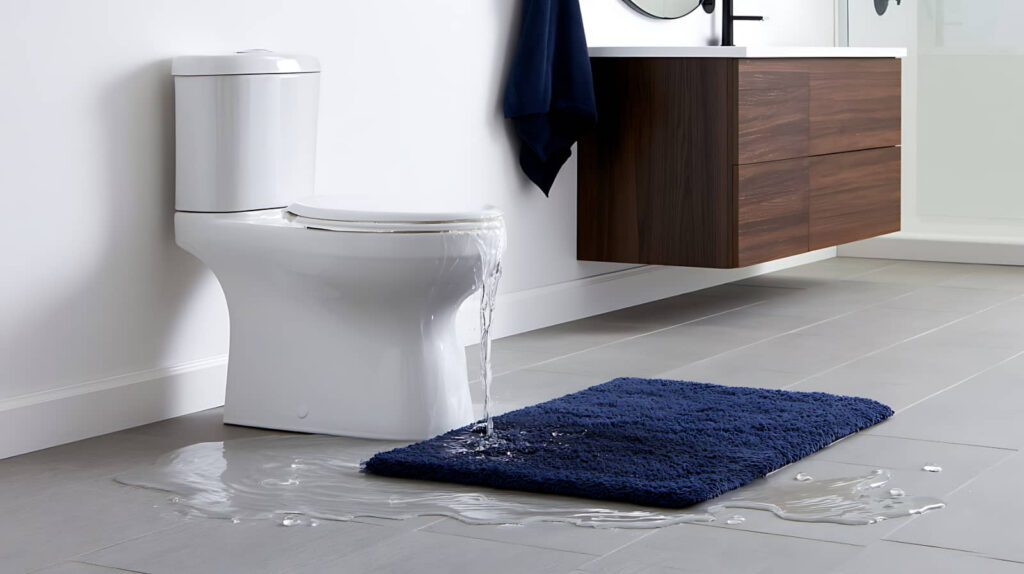
Most people don’t realize sewage backup water can carry pathogens even after the surface looks clean. Sewage Backup Cleanup should begin by shutting off the source, putting on gloves and a respirator, and starting removal quickly with a wet vac or pump. Then, protect floors and belongings, disinfect every exposed surface, and check for mold or hidden damage, because what’s left behind can be worse than the overflow itself.
Key Takeaways
- Shut off the water supply and electricity near the backup, and keep everyone out of the contaminated area.
- Wear gloves, boots, and a respirator before entering, and ventilate the space if it is safe.
- Remove sewage quickly with a wet vac or pump rated for contaminated water, starting at the lowest point.
- Protect salvageable items by lifting furniture, bagging textiles, and covering surfaces with plastic or tarps.
- Disinfect all affected surfaces thoroughly, then inspect for hidden moisture, mold, and structural damage.
Stop a Sewage Backup Safely
Before you enter the area, shut off the water supply to the affected fixtures and stop using all sinks, toilets, tubs, and appliances that drain into the backed-up line.
You protect your home and your crew by keeping everyone out of the contaminated zone. Wear gloves, boots, and a respirator if you must approach the space.
If sewage is near outlets or wet electrical equipment, turn off power at the breaker and call a licensed electrician.
Ventilate the room by opening windows and doors when it’s safe. Keep kids and pets away, and post a clear warning so your household stays coordinated.
Document the problem for insurance, and use emergency contacts if the backup spreads or you smell gas.
Follow preventative measures now to reduce future losses.
Remove Sewage Water Quickly
Remove the sewage water as fast as you safely can to limit damage and contamination. Use a wet vac or pump rated for contaminated water, and keep your sewage removal path clear so you can move efficiently.
If the volume is high, call a pro for water extraction; they can remove standing liquid faster and reduce exposure. Work from the lowest point first, then sweep remaining liquid toward your tool.
Wear gloves, boots, eye protection, and a respirator if you’re disturbed by aerosols. Ventilate the area if it’s safe to do so.
Don’t use household vacuum equipment, since it can spread pathogens. Stay calm and methodical, because quick action helps you protect your home and stay with the crew handling cleanup.
Protect Floors and Belongings
Once the standing sewage is out, focus on shielding surfaces and items that can still be saved. You’ll protect your home faster when you move carefully and work from clean to dirty zones.
Lay down plastic sheeting or waterproof tarps over flooring to limit seepage, and use blocks or pallets to lift furniture above damp spots. Bag textiles, documents, and loose items, then relocate them to a dry area with your emergency supplies ready.
- Seal door gaps with towels for flood prevention.
- Cover vents and low outlets with waterproof tape.
- Keep salvageable items off contaminated floors.
Wear gloves and boots, and avoid dragging debris across rooms. If you act quickly, you help your space stay safer, and you’ll feel more in control with your crew beside you.
Disinfect Every Affected Surface
Now disinfect every affected surface with a sewage-safe cleaner or a bleach solution mixed to the manufacturer’s label instructions. Wear gloves, eye protection, and a fitted mask so you stay protected while you work.
Scrub hard surfaces first, then apply the disinfectant long enough to meet the label’s contact time. These disinfection methods help reduce contamination on counters, baseboards, cabinet fronts, and fixtures.
Don’t skip corners, seams, or textured areas where residue can hide. For porous items you can’t clean thoroughly, replace them to keep your space safer.
Rinse food-contact surfaces after treatment if the product requires it. Good surface protection starts with careful coverage, consistent technique, and patience.
When you clean this way, you help restore a healthier home for everyone.
Inspect for Mold and Hidden Damage
After the surfaces are disinfected, inspect the affected area for mold growth and hidden damage before you start rebuilding. Use a bright flashlight, a moisture meter, and your nose for mold identification.
Check baseboards, drywall edges, subfloors, insulation, and cabinet backs where water can linger. If you spot staining, swelling, or a musty odor, treat it as hidden damage and remove materials that can’t dry fully. Stay protected with gloves, boots, and an N95 or better, and keep the room ventilated.
- Probe soft wood for rot.
- Lift flooring to check the underlayment.
- Photograph every issue for your records.
If you’re unsure, call a licensed remediation pro. Catching problems now helps your team avoid bigger repairs, protects indoor air quality, and keeps your home safer for everyone.
Frequently Asked Questions
How Do I Know if Sewage Backup Is Covered by Insurance?
Check your insurance policy for sewer or water backup coverage, exclusions, and coverage limits. You’ll usually need a separate endorsement. Call your insurer, confirm deductibles, and document damage fast to protect your claim.
When Should I Call a Professional Sewage Cleanup Service?
You should call a professional sewage cleanup service immediately when contamination spreads; like a storm shelter, they’ll protect your home. Follow sewage prevention tips and seek emergency response fast for safe, practical, supported cleanup.
What Health Symptoms Require Medical Attention After Exposure?
Get medical help if you develop fever, vomiting, diarrhea, breathing trouble, skin rash, or eye irritation after exposure; these exposure symptoms can signal contamination risks. You’re safer acting fast and telling a clinician exactly what happened.
How Can I Tell if the Sewer Line Is Damaged or Blocked?
You’ll spot a broken sewer line like a storm cloud over your plumbing: look for blockage signs, slow drains, foul odors, and gurgling. Use pipe inspection to confirm warning signals before you act.
How Often Should Sewer Lines Be Inspected to Prevent Backups?
You should inspect sewer lines every 1–2 years; increase inspection frequency yearly if you’re older, have trees nearby, or notice slow drains. Preventive maintenance helps you protect your home and stay connected, safe, and prepared.
Review
When you face a sewage backup, act fast and stay safe. You can reduce damage by shutting off water, removing wastewater quickly, protecting belongings, and disinfecting every contaminated surface. Did you know that even a small sewage spill can spread harmful bacteria across your home in minutes? Always inspect for mold and hidden damage after cleanup. If the backup is large or recurring, don’t wait—call a licensed professional to help finish the job safely.