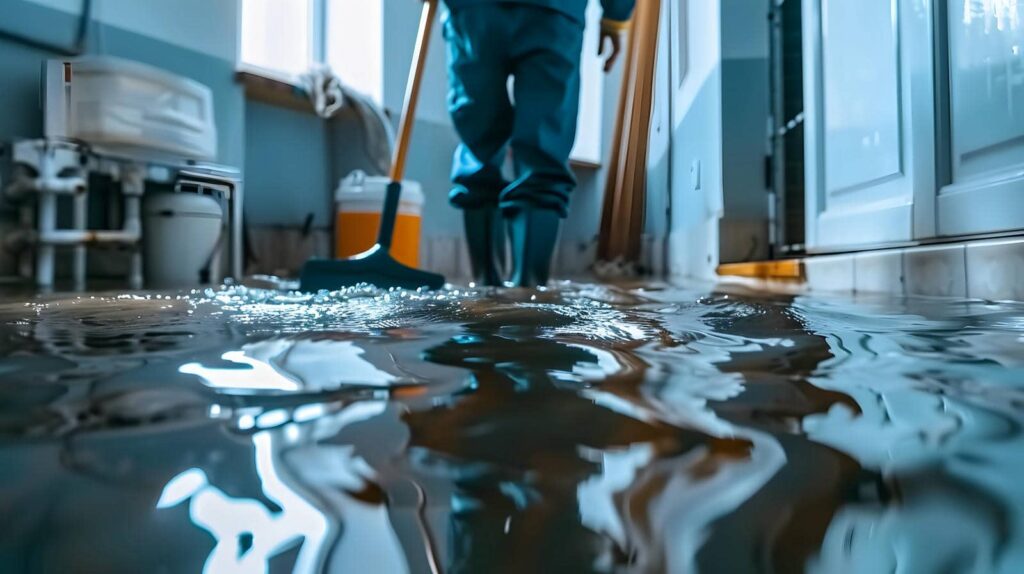
Imagine a soaked room, where water clings to every surface, creating an environment ripe for mold and water damage. To combat this, you’ll need the right tools that professionals rely on for efficient drying. From high-velocity air movers to advanced dehumidifiers, each piece of equipment plays an essential role in restoration. Understanding these tools can greatly enhance your approach to water damage. Let’s explore the top ten drying solutions you should consider.
Key Takeaways
- High-velocity air movers are essential for rapid drying and increased air circulation, effectively preventing mold growth in water-damaged areas.
- Industrial fans, including axial, centrifugal, and blower types, optimize airflow for efficient moisture removal in both large spaces and confined areas.
- Dehumidifiers, particularly high-capacity models, are crucial for removing excess moisture, enhancing drying efficiency, and preventing secondary damage.
- Moisture meters, including pin-type and pinless options, are vital for accurately assessing moisture levels and preventing hidden moisture pockets.
- Air scrubbers improve indoor air quality by removing contaminants and reducing humidity, fostering a healthier environment during water damage restoration.
High-Velocity Air Movers
High-velocity air movers are essential tools in the water damage restoration process, designed to expedite drying by increasing air circulation. Their high velocity benefits include considerably reducing moisture levels and speeding up drying times, which is critical in preventing mold growth.
When you choose these air movers, you’re investing in air mover efficiency that translates to better restoration outcomes.
These devices work by directing a concentrated stream of air across surfaces, ensuring that moisture evaporates quickly. By adjusting their angles and positions, you can optimize airflow, reaching even hard-to-access areas effectively.
You’ll appreciate how their lightweight design and portability make them easy to maneuver in any environment.
Moreover, high-velocity air movers are energy-efficient, allowing you to operate them without incurring high costs.
In the domain of water damage restoration, their role is indispensable, making them a cornerstone of any professional drying equipment arsenal.
Dehumidifiers
When addressing water damage, understanding the different types of dehumidifiers is vital for effective moisture removal.
You’ll want to take into account key features such as capacity, energy efficiency, and portability to select the best unit for your situation.
Evaluating these aspects will ensure peak performance in restoring dry conditions.
Types of Dehumidifiers
Understanding the various types of dehumidifiers is essential for effectively managing water damage restoration. Selecting the right equipment can greatly enhance your restoration efforts.
Here’s a breakdown of the main types:
- Commercial Dehumidifiers: Designed for large-scale applications, these units can handle high moisture levels and are often used in extensive flooding scenarios.
- Portable Dehumidifiers: Ideal for smaller spaces, they provide flexibility and ease of use, allowing you to target specific areas needing attention.
- Refrigerant Dehumidifiers: These work by cooling the air, condensing moisture, and are effective in moderate climates.
Key Features to Consider
Selecting the right dehumidifier goes beyond just knowing the types available; you must also consider key features that will impact its performance and efficiency in your water damage restoration efforts.
Look for a unit with a high capacity to remove moisture quickly, as this can greatly enhance your drying techniques. A built-in hygrometer is essential for monitoring humidity levels, ensuring peak operation.
Energy efficiency ratings should also be a priority, as they contribute to effective equipment maintenance and lower operating costs. Additionally, consider portability features like wheels and handles, making it easier to move the unit where it’s needed most.
Finally, check for user-friendly controls and maintenance features, which will streamline your restoration process and keep you connected with your equipment.
Industrial Fans
When it comes to addressing water damage, understanding the types of industrial fans available is essential.
Each fan type offers specific airflow capabilities that enhance the drying process, allowing you to optimize your drying strategy effectively.
Types of Industrial Fans
While various types of industrial fans serve distinct purposes in water damage restoration, each fan type is designed to maximize airflow and enhance drying efficiency.
Understanding these differences can help you choose the right equipment for your needs. Here are three common types of industrial fans:
- Axial Fans: These fans are known for their high airflow rates and are ideal for creating strong airflow patterns across large areas.
- Centrifugal Fans: With a design that increases pressure, these fans are perfect for confined spaces, ensuring high fan efficiency.
- Blower Fans: These versatile fans provide a concentrated airflow, effectively targeting specific wet areas to accelerate drying.
Selecting the right fan type is essential for achieving superior drying results in any restoration project.
Benefits of Using Fans
Using industrial fans in water damage restoration offers numerous advantages that can greatly enhance the drying process.
One key benefit is fan efficiency, which ensures that moisture is removed quickly and effectively. By strategically positioning fans, you can optimize air circulation throughout the affected area, promoting faster evaporation.
This method reduces drying time and minimizes the risk of mold growth, which can be detrimental to your health and property.
Additionally, industrial fans are designed for heavy-duty use, providing reliable performance in challenging conditions.
When you incorporate these fans into your restoration strategy, you’re investing in a thorough, methodical approach that fosters a sense of belonging to a community committed to high standards of restoration practices.
Heat Drying Systems
Since moisture can infiltrate various materials during water damage, heat drying systems offer an effective solution to expedite the drying process. By utilizing controlled heat, these systems enhance heat distribution and considerably improve drying efficiency.
Here are three key aspects to evaluate:
- Temperature Control: Heat drying systems allow you to set specific temperatures, ensuring ideal conditions for drying without damaging materials.
- Airflow Management: Proper airflow is essential; these systems often integrate fans to circulate warm air, promoting uniform drying throughout affected areas.
- Moisture Reduction: By applying heat, moisture evaporates more rapidly, which can prevent secondary damage like mold growth.
Incorporating heat-drying systems into your water damage restoration toolkit accelerates the drying process and fosters a sense of reliability and professionalism within your team.
Embrace the technology, and you’ll see the difference in your drying results.
Moisture Meters
Moisture meters are essential tools in water damage restoration, helping you accurately assess moisture levels in various materials.
You’ll find different types, such as pin and pinless meters, each serving specific measurement needs.
Understanding the importance of these devices can greatly enhance your drying process and prevent further damage.
Types of Moisture Meters
When it comes to evaluating moisture levels in materials, understanding the various types of moisture meters is essential for effective water damage restoration.
You’ll find that different moisture measurement techniques can greatly impact your assessment. Here are three primary types of moisture meters you should consider:
- Pin-Type Meters: These use metal probes to penetrate the material, providing direct moisture readings.
- Pinless Meters: Employing electromagnetic signals, these digital moisture meters assess moisture without damaging the surface.
- Relative Humidity Meters: These measure moisture in the air, offering insights into the overall environment affecting materials.
Choosing the right type will enhance your ability to gauge moisture accurately, ensuring more effective restoration efforts.
Importance of Water Damage
Effective moisture assessment is essential in water damage restoration, as it directly influences the success of your remediation efforts.
By using moisture meters, you can accurately identify hidden moisture pockets that often lead to mold growth and structural damage. This precision allows you to employ effective restoration techniques tailored to the specific conditions of your environment.
Whether you’re measuring moisture in walls, floors, or other materials, understanding these levels helps you determine the necessary drying equipment and methods required.
Accurate readings ensure you address all affected areas, ultimately safeguarding your property and health.
Infrared Thermometers
Infrared thermometers play an essential role in evaluating heat patterns and identifying hidden moisture during water damage restoration. By utilizing infrared technology, you can obtain precise temperature readings that help you pinpoint areas needing attention.
Here are three key benefits of using infrared thermometers:
- Quick Assessment: You can efficiently scan large areas to detect temperature variations, allowing for swift identification of potential moisture issues.
- Non-Contact Measurement: This technology enables you to take temperature readings without direct contact, minimizing disruption to the environment and preserving the integrity of structures.
- Enhanced Accuracy: Infrared thermometers deliver accurate readings, which help in diagnosing problems that may not be visible to the naked eye.
Incorporating infrared thermometers into your water damage restoration toolkit streamlines the process and enhances your ability to address hidden moisture issues.
Water Extraction Pumps
As you tackle water damage restoration, water extraction pumps become indispensable tools for efficiently removing excess water from affected areas.
These pumps employ various water removal techniques, such as submersible and diaphragm options, to address different levels of flooding and surface types. Understanding the right pump for your specific situation ensures you’ll enhance the extraction process.
To maintain your pumps effectively, follow essential pump maintenance tips.
Regularly check for clogs and debris to ensure smooth operation during critical moments. Inspect seals and connections to prevent leaks and ensure peak suction.
Additionally, clean and lubricate components as recommended by the manufacturer to extend the life of your equipment.
Carpet Drying Systems
Carpet drying systems are essential for restoring carpets after water damage, especially when time is of the essence.
To effectively utilize drying techniques, you should consider the following components:
- Air Movers: These devices circulate air, enhancing evaporation from the carpet fibers. They speed up the drying process considerably.
- Dehumidifiers: By reducing humidity in the air, dehumidifiers prevent moisture from settling back into the carpet, supporting efficient carpet cleaning.
- Infrared Drying Panels: These panels provide targeted heat to carpets, enabling rapid drying without damaging delicate fibers.
Tent Drying Systems
Tent drying systems are an effective solution for large-scale water damage restoration, especially in areas where traditional drying methods fall short.
These systems utilize tent drying techniques that create a controlled environment, allowing for efficient moisture removal. By enclosing the affected area, you can markedly increase the temperature and reduce humidity, expediting the drying process.
One of the main tent drying benefits is the ability to concentrate drying efforts on specific zones, which is vital in extensive water damage scenarios.
You’ll find that this method minimizes the chances of secondary damage and mold growth, promoting a safer restoration environment. Additionally, tent systems are flexible and can be adapted to various situations, further enhancing their utility in your restoration toolkit.
Air Scrubbers
Air scrubbers play an essential role in the water damage restoration process by effectively removing airborne contaminants and moisture from affected environments.
Utilizing advanced filtration technology, these devices notably improve air quality while facilitating odor removal.
Here are three key benefits of air scrubbers:
- Contaminant Removal: They capture harmful particles such as mold spores, dust, and allergens, ensuring a safer living space.
- Odor Neutralization: Activated carbon filters within air scrubbers help eliminate unpleasant odors, creating a fresher environment.
- Moisture Reduction: By lowering humidity levels, air scrubbers prevent the growth of mold and mildew, which can exacerbate damage.
When you integrate air scrubbers into your water damage restoration strategy, you’re not just cleaning the air; you’re fostering a healthier atmosphere for everyone involved.
Investing in quality equipment like air scrubbers is vital for achieving ideal restoration results.
Frequently Asked Questions
How Do I Choose the Right Drying Equipment for My Situation?
To choose the right drying equipment, you should assess moisture detection levels and ensure proper air circulation. Evaluate your space’s size and humidity, then select equipment that effectively addresses those specific moisture issues for ideal results.
What Safety Precautions Should I Take When Using Drying Equipment?
When using drying equipment, always wear safety gear, like gloves and goggles. Be cautious of electrical hazards; ensure equipment is properly grounded and avoid water contact. Regularly inspect cords and connections for any damage.
How Long Does It Typically Take to Dry a Water-Damaged Area?
Ever wondered how long it takes to reclaim your space after water damage? Typically, drying time ranges from 24 to 72 hours, depending on moisture removal efficiency and environmental conditions. Patience is key to ideal results.
Can I Rent Drying Equipment Instead of Purchasing It?
Yes, you can rent drying equipment. Renting options often provide flexibility and lower upfront costs. Conduct a cost comparison to assess the long-term benefits versus purchasing, ensuring you make a financially sound decision for your needs.
What Maintenance Is Required for Drying Equipment After Use?
After each use, you’ll need to give your equipment a thorough cleaning, following a strict maintenance schedule. This ensures longevity and efficiency, keeping your tools in top shape for the next challenge that arises.
Conclusion
In the battle against water damage, using the right equipment is like wielding a superhero’s arsenal! With high-velocity air movers whipping up windstorms and dehumidifiers sucking moisture like a vacuum on steroids, your restoration efforts will be nothing short of miraculous. Add in industrial fans and moisture meters, and you’re not just drying out a space—you’re orchestrating a symphony of efficiency! Don’t underestimate the power of these tools; they’ll turn your waterlogged nightmare into a dry, serene oasis faster than you can say “restoration!”