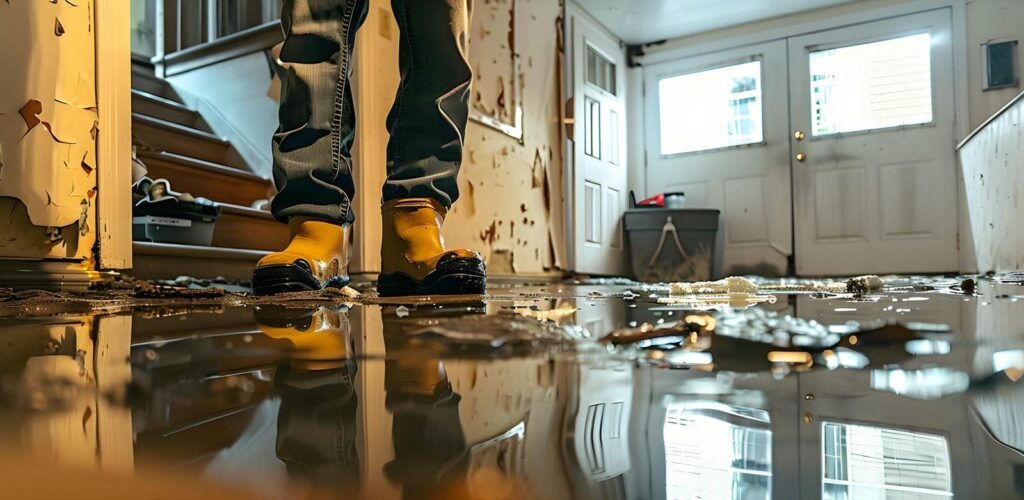
Water damage can lead to devastating mold growth, yet prompt action can prevent this issue from escalating. By understanding effective mold prevention strategies, you can protect your home and health. Start with a thorough assessment of the damage and take immediate steps to dry affected areas. But what specific techniques can you employ to ensure your space remains mold-free? Let’s explore essential tips that will safeguard your home from potential hazards.
Key Takeaways
- Ensure thorough drying of affected areas using fans and dehumidifiers within 24-48 hours after water damage to prevent mold growth.
- Regularly inspect moisture-prone areas, such as basements and bathrooms, for leaks and dampness to catch issues early.
- Use mold-resistant products like antimicrobial paints and moisture barriers in high-humidity areas to inhibit mold growth.
- Maintain indoor humidity levels between 30-60% and utilize hygrometers to monitor humidity effectively.
- Clean and disinfect surfaces promptly, using EPA-approved solutions to eliminate mold spores after water exposure.
Assessing the Extent of Water Damage
When you suspect water damage in your home, evaluating the extent is essential to preventing mold growth and further deterioration.
Start with a thorough water damage assessment, identifying visible signs like stains, peeling paint, or warped materials. Use moisture detection methods such as moisture meters and infrared cameras to uncover hidden issues within walls and flooring. These tools help you gauge moisture levels, ensuring you don’t miss areas that could harbor mold.
Check areas prone to leaks, like kitchens, bathrooms, and basements. Don’t forget to inspect ceilings, as water can travel and create damage away from the initial source.
Document your findings, noting the severity and locations of water damage to prioritize repairs. By taking these proactive steps, you safeguard your home and foster a sense of security and belonging for you and your loved ones, creating a healthy environment free from mold hazards.
Ensuring Proper Ventilation
Once you’ve assessed the extent of water damage, ensuring proper ventilation becomes a key step in preventing mold growth.
Good air circulation is essential; it helps dry out damp areas and minimizes moisture levels. Open windows and doors whenever possible to let fresh air flow through your space. If conditions allow, use fans to boost air movement, particularly in enclosed areas like basements or attics.
Additionally, consider using dehumidifiers to maintain humidity control. Keeping indoor humidity below 60% can greatly reduce mold risks.
Regularly check and replace air filters in your HVAC system, as clean filters promote better airflow and filtration of airborne spores.
Lastly, be mindful of areas prone to stagnation, such as behind appliances or furniture.
Removing Wet Materials Promptly
To prevent mold growth, you need to act quickly when you find wet materials in your home.
Start by identifying the affected areas, then dispose of any contaminated items that can’t be salvaged.
Finally, make sure to dry out structural components thoroughly to minimize moisture and reduce the risk of mold development.
Identify Affected Areas
Identifying affected areas in your home is essential for effective mold prevention, especially when it comes to removing wet materials promptly.
Start by inspecting spaces prone to water damage, like basements, bathrooms, and kitchens. Look for water stains on walls, ceilings, and floors, as these can indicate hidden moisture.
Check carpets, rugs, and upholstery, which often absorb water and can foster mold growth if not dried quickly.
Don’t forget to examine insulation and drywall, as these materials can retain moisture, creating a breeding ground for mold.
By addressing these areas promptly, you minimize the risk of mold proliferation and protect your home and loved ones.
Your proactive approach can make a significant difference in maintaining a healthy living environment.
Dispose of Contaminated Items
When water damage occurs, time is of the essence, and removing wet materials promptly can greatly reduce the risk of mold growth.
Start by identifying and disposing of contaminated materials like carpets, insulation, or drywall that can’t be dried effectively. Use proper disposal methods, such as sealing these items in plastic bags before taking them outside to prevent spores from spreading.
Make sure you’re following local regulations for hazardous waste if the materials are heavily contaminated. Also, consider using a professional service for large-scale removal to ensure safety and compliance.
Dry Structural Components
As soon as you notice signs of water damage, it’s crucial to act quickly by drying structural components to prevent mold growth.
Begin by removing wet materials like carpets, drywall, and insulation, as these can compromise the structural integrity of your home.
Utilize effective drying techniques such as fans, dehumidifiers, and open windows to promote airflow.
Make sure to focus on hidden areas, like behind walls and under floors, where moisture can linger.
Regularly check the progress, and don’t hesitate to reach out for professional help if needed.
By taking swift action, you protect your living space and foster a sense of security for you and your loved ones.
Your proactive approach can ensure a healthier, mold-free environment.
Using Dehumidifiers Effectively
Using dehumidifiers effectively can greatly reduce moisture levels in your home, helping to prevent mold growth and improve indoor air quality.
To start, choose the right dehumidifier based on the size of the affected area. For ideal performance, set the humidity level between 30% and 60%. This range discourages mold while ensuring your space remains comfortable.
Placement is essential; position the dehumidifier in the center of the room for maximum airflow. Avoid corners or areas obstructed by furniture.
If you’re dealing with multiple rooms, consider using several smaller units rather than one large one. Additionally, keep windows and doors closed to enhance efficiency, as outdoor humidity can hinder the dehumidifier’s effectiveness.
Regularly empty the water collection bucket, or use a continuous drain option if available.
Cleaning and Disinfecting Affected Areas
Cleaning and disinfecting affected areas is essential to prevent mold from returning and ensure a healthy living environment.
Start by using effective cleaning methods to remove any visible mold and mildew. A mixture of water and detergent works well for initial cleaning, but don’t stop there. After cleaning, it’s vital to apply appropriate disinfecting solutions to kill any remaining spores. Look for EPA-approved products that are safe for indoor use.
Pay special attention to porous materials like carpets and upholstery, as they can harbor mold. If these items are heavily infested, consider replacing them entirely.
For hard surfaces, make sure to thoroughly dry after cleaning, as moisture promotes mold growth. Always wear protective gear like gloves and masks during the process to safeguard your health.
Inspecting for Hidden Moisture Sources
While it might be easy to overlook, inspecting for hidden moisture sources is essential in your efforts to prevent mold growth. Start by checking common areas where hidden leaks might occur, such as behind appliances, under sinks, and within walls. These concealed spots can harbor moisture, leading to mold if not addressed promptly.
Utilizing moisture meters can greatly enhance your inspection process. These devices help you accurately measure moisture levels in various materials, identifying problem areas that mightn’t be visible to the naked eye.
Pay close attention to areas around windows, roofs, and plumbing fixtures, which are often prime locations for hidden leaks.
Don’t hesitate to reach out to professionals if you suspect severe moisture issues. By being proactive and thorough in your inspection, you create a healthier living environment and effectively reduce the risk of mold infestation.
Applying Mold-Resistant Products
Applying mold-resistant products is crucial for maintaining a healthy environment in your home.
You’ll want to choose suitable products specifically designed to inhibit mold growth, which can greatly reduce the risk of infestations.
Additionally, understanding the correct application techniques ensures these products work effectively, providing long-lasting protection against moisture and mold.
Choosing Suitable Products
When you’re looking to protect your home from mold, choosing suitable mold-resistant products is crucial for long-term prevention.
By selecting the right products, you can create a barrier against future mold growth. Here are some options to take into account:
Mold resistant paints: These paints contain additives that inhibit mold growth, perfect for high-humidity areas.
Antimicrobial sprays: Use these sprays on surfaces to kill existing mold spores and prevent future outbreaks.
Moisture barriers: Install these in areas prone to dampness, like basements, to keep moisture at bay.
Water-resistant sealants: Apply these to vulnerable areas, such as around windows and doors, to protect against water intrusion.
Investing in these products helps ensure a healthier living environment for you and your family.
Application Techniques Explained
Proper application techniques are essential for maximizing the effectiveness of mold-resistant products.
When applying mold-resistant paint, start with a clean, dry surface to ensure ideal adhesion. Use a high-quality brush or roller to achieve even coverage, and don’t rush the process; allow each coat to dry thoroughly before applying the next.
For sealant application, focus on areas prone to moisture, like windows and bathrooms. Make sure you apply a consistent bead, smoothing it with a tool for a seamless finish.
Always follow the manufacturer’s instructions for drying times and application conditions.
Monitoring Indoor Humidity Levels
Monitoring indoor humidity levels is essential for preventing mold growth, especially in areas prone to dampness.
Keeping humidity in check safeguards your home and fosters a healthier living environment.
Here are some effective strategies for moisture monitoring and humidity control:
- Use a hygrometer to measure indoor humidity regularly.
- Aim to maintain indoor humidity levels between 30-60%.
- Ensure proper ventilation in high-moisture areas like kitchens and bathrooms.
- Employ dehumidifiers in damp spaces to reduce excessive moisture.
Regular Maintenance and Inspections
Maintaining your home with regular inspections is key to preventing mold growth and ensuring a healthy living environment. By incorporating routine checks into your schedule, you can identify potential issues before they escalate.
Start by examining areas prone to moisture, like basements and bathrooms. Look for leaks, water stains, or any signs of dampness.
Implementing preventive measures, like cleaning gutters and ensuring proper ventilation, also plays an essential role. Make it a habit to inspect your HVAC system and replace filters regularly to maintain good air quality.
Don’t forget about your roof and siding—check for damage that could allow water to seep in.
Frequently Asked Questions
How Long Does It Take for Mold to Grow After Water Damage?
Mold can start growing within 24 to 48 hours after water damage, depending on factors like humidity, temperature, and the materials involved. It’s essential to address water issues promptly to prevent extensive mold growth.
Can I Use Bleach to Kill Mold Effectively?
While bleach can effectively tackle certain mold types, it doesn’t penetrate porous surfaces well. Think of it as a knight with a sword; it fights bravely, but sometimes, you need a different strategy to conquer the castle.
When Should I Call a Professional Mold Remediation Service?
You should call a professional mold remediation service when you notice extensive mold growth, experience health issues, or need a thorough mold inspection. They’ll manage the remediation process effectively, ensuring your space is safe and healthy.
Are There Any Home Remedies for Mold Prevention?
Think of your home as a fortress. To fend off mold, try DIY solutions like vinegar, which is known for its benefits. Regularly clean surfaces with it, and watch your fortress remain strong against unwanted intruders.
What Health Risks Are Associated With Mold Exposure?
Mold exposure can lead to various health risks, including mold symptoms like sneezing, coughing, and respiratory issues. It’s essential to address mold promptly to protect your health and maintain a safe, comfortable living environment.
Summary
In the aftermath of water damage, taking proactive steps can help you sidestep the unwelcome guest of mold. By promptly drying areas, ensuring proper ventilation, and regularly inspecting moisture-prone spots, you’ll create an environment that discourages mold growth. Remember, a little vigilance goes a long way. Embrace these mold prevention tips to safeguard your home and peace of mind, allowing you to focus on what truly matters—enjoying your living space without worry.