
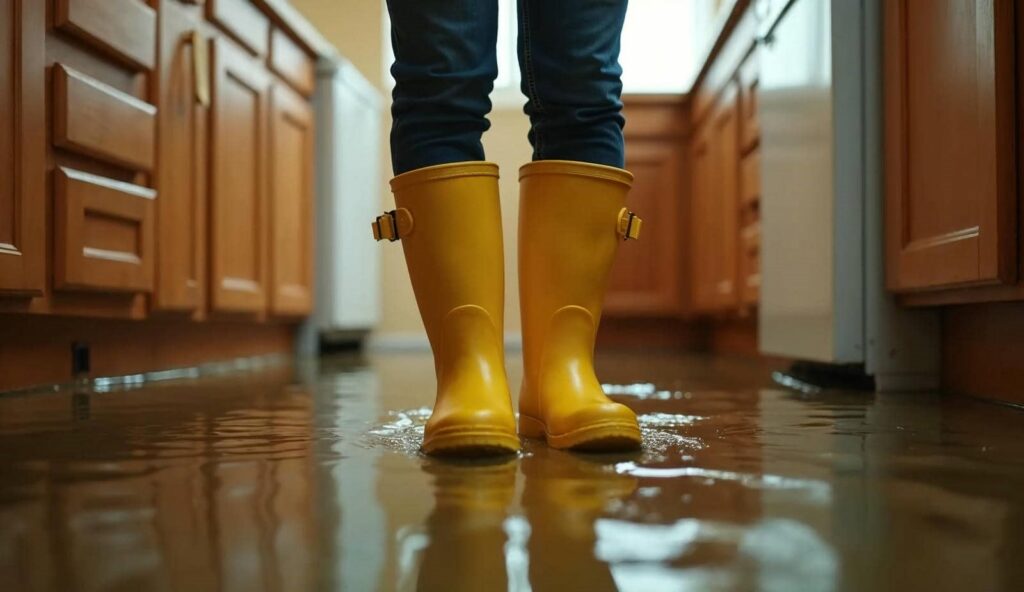
When facing water damage, understanding your insurance coverage can greatly influence your recovery. Different types of water damage, from floods to plumbing issues, can affect your claim’s eligibility. Knowing your policy limits and exclusions is essential for guiding the claims process effectively. By carefully documenting damages and engaging with your insurer, you can improve your chances of a favorable outcome. But what water damage cleanup steps should you take to ensure a smooth claims experience?
Key Takeaways
- Promptly notify your insurance company to initiate the claims process and adhere to reporting deadlines to avoid potential claim denials.
- Document water damage thoroughly with photos, inventories of damaged items, and receipts to strengthen your claim.
- Understand your insurance policy’s coverage limits and exclusions, particularly regarding flood damage and gradual leaks.
- Be prepared for an adjuster’s assessment by organizing records and being ready to answer questions about the damage.
- Regular maintenance and preventive measures can minimize water damage risks and streamline the claims process if issues arise.
Types of Water Damage Covered by Insurance
When it comes to understanding the types of water damage covered by insurance, it’s essential to recognize that not all incidents are treated equally.
Generally, your policy may cover flood damage, but only if you’ve purchased specific flood insurance. Without this, damage from rising waters often falls outside standard coverage.
On the other hand, plumbing issues usually receive different treatment. If a burst pipe or a malfunctioning appliance causes water damage, your homeowner’s insurance may cover the repairs and restoration.
It’s vital to document the source of the water damage, as this can influence your claim’s outcome. Keep in mind that insurance companies often assess the cause and extent of the damage before approval.
Understanding these distinctions helps you navigate the claims process more effectively, ensuring you know what’s covered and what isn’t, allowing you to make informed decisions when disaster strikes.
Understanding Your Policy Limits
Understanding your policy limits is crucial for effectively managing water damage claims. You need to know the maximum amount your insurer will cover and any policy exclusions that might apply. These exclusions can greatly impact your claim, often limiting your coverage for specific types of water damage. For example, if your policy excludes damage from floods, you may find yourself facing substantial out-of-pocket expenses in such situations.
Additionally, familiarize yourself with your claim limits, as they define the maximum payout for repairs and replacements. Different areas of coverage may have varying limits, so reviewing your policy in detail is important.
The Claims Process for Water Damage
Steering through the claims process for water damage can be intimidating, especially if you’re unprepared for the steps involved. First, notify your insurance company as soon as possible; this initiates the claims timeline. They’ll provide guidance on how to proceed, including any necessary forms. Understanding policy interpretations is essential here, as coverage can vary considerably based on the specifics of your situation.
Once you file the claim, an adjuster will assess the damage, so be prepared to answer questions and provide relevant details. Keep communication open and document every interaction. This not only helps clarify your case but also reinforces your understanding of the process.
As you navigate through, remember that knowing your rights and responsibilities can empower you and foster a sense of belonging in the community of homeowners dealing with similar issues. Stay organized and proactive to ensure a smoother claims experience.
Documenting Water Damage Effectively
Although water damage can be overwhelming, documenting it effectively is essential for a successful insurance claim. Start by taking thorough photo documentation of the affected areas. Capture images from multiple angles, ensuring you highlight the extent of the damage, including walls, floors, and personal belongings. Make sure to include timestamps in your photos, as this adds credibility to your claim.
Next, create a detailed inventory of all damaged items. List each item, its value, and any relevant receipts or proof of purchase. This comprehensive approach strengthens your claim and provides clarity for both you and your insurer.
Don’t forget to document any repairs or cleanup efforts you initiate, as this can further demonstrate your commitment to resolving the situation.
The Role of Professional Cleanup Services
When facing water damage, enlisting professional cleanup services can considerably expedite the recovery process.
These experts utilize advanced cleanup techniques that go beyond what typical DIY efforts can achieve. They assess the situation thoroughly, determining the extent of damage and identifying hidden moisture that could lead to mold growth if left untreated.
The service benefits of hiring professionals are significant. They work efficiently to minimize damage, and they also have the specialized equipment needed for effective water extraction and drying.
Additionally, their experience allows them to navigate the complexities of insurance claims, ensuring you receive the coverage you’re entitled to.
Common Exclusions in Water Damage Policies
Hiring professional cleanup services is an essential step in managing water damage, but understanding your insurance policy is equally vital. Many homeowners are surprised to discover common water damage exclusions that can greatly impact their claims.
For instance, most policies won’t cover damage from flooding unless you have a separate flood policy. Additionally, gradual leaks or wear and tear often fall under policy limitations, leaving you responsible for repairs.
It’s also important to note that damage caused by neglect or lack of maintenance may not be covered. Understanding these water damage exclusions helps you manage expectations and plan accordingly.
By familiarizing yourself with your policy’s specific terms, you can take proactive steps to mitigate potential losses and avoid unexpected out-of-pocket expenses.
How to Maximize Your Claim
To maximize your water damage claim, you need to document everything thoroughly, ensuring you have a complete record of damages and repairs.
Understanding your policy is essential, as it helps you identify what’s covered and what isn’t.
Additionally, working with professionals can provide you with expert insights and support throughout the claims process.
Document Everything Thoroughly
Thorough documentation is essential for maximizing your water damage cleanup insurance claim. Start by taking clear, detailed photos of the affected areas before any cleanup begins. These images serve as crucial claim documentation, showing the extent of the damage.
Next, keep thorough records of all repairs, including dates, costs, and invoices from contractors. This not only supports your claim but also demonstrates the urgency and necessity of your actions.
Document conversations with your insurance adjuster, noting any commitments or guidance they provide.
Finally, maintain a log of any temporary measures you take to prevent further damage. By ensuring you have extensive, organized records, you strengthen your position and enhance the likelihood of a favorable outcome for your claim.
Understand Your Policy
Having a thorough understanding of your insurance policy can greatly impact the outcome of your water damage cleanup claim. Familiarize yourself with the policy terminology, as this knowledge will empower you when communicating with your insurer.
Pay close attention to claim limitations, which often dictate what’s covered and what’s not. For instance, some policies may exclude certain types of water damage or impose restrictions based on the cause. Knowing these details allows you to prepare better and avoid surprises later.
If you encounter any confusing terms or clauses, don’t hesitate to seek clarification. Understanding your policy fully maximizes your claim and fosters a sense of security during an already stressful situation.
Work With Professionals
While maneuvering through the complexities of a water damage cleanup claim, working with professionals can greatly enhance your chances of maximizing your payout.
Engaging professional contractors brings cleanup expertise and ensures that all necessary steps are accurately documented. These experts are adept at evaluating damage, providing detailed reports, and capturing photographic evidence, which can meaningfully bolster your claim.
They understand the nuances of insurance policies and can help you navigate any disputes that may arise. By collaborating with these specialists, you’re positioning yourself for a more favorable outcome.
Ultimately, their knowledge and experience can bridge the gap between your expectations and the insurance company’s requirements, fostering a smoother and more successful claims process.
Dealing With Insurance Adjusters
When dealing with insurance adjusters, it’s vital to understand your policy coverage thoroughly.
Clear and effective communication can greatly impact your claim’s outcome. By articulating your needs and concerns, you can foster a more productive relationship with the adjuster.
Understanding Policy Coverage
Understanding your insurance policy coverage is essential, especially after experiencing water damage. It’s vital to familiarize yourself with the specifics of your policy, including coverage limits and potential policy exclusions.
These details can markedly impact the claims process. For instance, certain types of water damage, like those resulting from flooding, may not be covered under standard policies, leaving you with unexpected out-of-pocket expenses.
Knowing the maximum amount your policy covers will help you assess whether it meets your needs. Don’t hesitate to review your policy documents thoroughly or consult your insurance agent for clarification.
Understanding these elements equips you to navigate the claims process more effectively, ensuring you receive the support you need during a challenging time.
Communicating Effectively With Adjusters
Maneuvering through the claims process often requires effective communication with insurance adjusters. Establishing a clear line of dialogue can greatly impact the outcome of your claim.
Start by organizing all relevant documents, such as photos of the damage and your policy details, which can facilitate productive adjuster interactions. When speaking with the adjuster, be concise and factual; avoid emotional language that could cloud your message.
Listen actively to their inquiries and respond directly, ensuring you address any concerns they may have. Building rapport is essential, so don’t hesitate to express appreciation for their efforts.
The Importance of Timely Reporting
Timely reporting of water damage is essential because delays can greatly impact the outcome of your insurance claim. When you notice water damage, make certain to provide timely notifications to your insurer. Most policies have specific claim deadlines, and failing to report damage promptly might jeopardize your coverage.
Your insurer relies on this information to assess the situation accurately and expedite the claims process. Delays can lead to further damage, increasing repair costs, which may not be covered if you miss reporting deadlines.
By acting quickly, you safeguard your claim and demonstrate responsibility as a policyholder. Always document the damage thoroughly and communicate any related issues to your insurance company as soon as possible.
Tips for Preventing Future Water Damage
To effectively prevent future water damage, you should prioritize regular maintenance checks on your plumbing and roofing systems.
Implementing proper drainage solutions can also help redirect water away from your property.
Additionally, installing water alarms will alert you to leaks before they escalate into significant issues.
Regular Maintenance Checks
While you may not think about it often, regular maintenance checks are essential for preventing future water damage in your home.
Establish a routine for regular inspections of areas prone to moisture, such as basements, attics, and plumbing fixtures. By determining a maintenance frequency—ideally every six months—you can identify potential issues before they escalate.
Look for signs of leaks, mold, or deterioration in pipes and roofs. Don’t forget to check your appliances, like washing machines and dishwashers, which can be culprits of unnoticed leaks.
Keeping your gutters clean and ensuring proper sealing around windows enhances your home’s defenses.
Proper Drainage Solutions
Since effective drainage is crucial for preventing water damage, implementing proper drainage solutions around your home can save you from costly repairs down the line.
Start by evaluating your current drainage systems to ensure they direct water flow away from your foundation. Install gutters and downspouts, making sure they’re free of debris and extend at least five feet from your home.
Consider grading your landscape to slope away from your property, which helps divert rainwater. Additionally, using permeable materials for driveways and walkways can enhance water absorption, reducing runoff.
Regularly inspect and maintain these systems to identify any blockages or wear. By taking these proactive measures, you’ll create a safer environment and foster a sense of belonging within your community.
Install Water Alarms
Installing water alarms can greatly enhance your home’s defense against potential water damage, especially in areas prone to leaks or flooding.
By incorporating water alarm installation into your home security measures, you can considerably reduce the risk of costly repairs.
Here are some tips for effective alarm monitoring:
- Position alarms near water sources: Place them in basements, near washing machines, and under sinks.
- Choose smart alarms: Opt for models that send alerts to your smartphone for immediate action.
- Test regularly: Verify your alarms are functional by testing them monthly.
- Integrate with existing systems: Link alarms to your home security for thorough monitoring.
Taking these steps can foster a safer environment, enhancing your peace of mind and protecting your home.
Frequently Asked Questions
Will My Policy Cover Mold Damage After Water Leaks?
Your policy might cover mold damage if it results from a covered leak, but check for exclusions. Investing in mold remediation and leak prevention can help protect your home and reduce future claims.
How Long Do I Have to File a Water Damage Claim?
Think of your claim as a ticking clock; you typically have one to two years to file it, depending on your policy. Staying aware of the water damage timeline ensures you don’t miss your window.
Can I Choose My Own Cleanup Contractor?
Yes, you can choose your own cleanup contractor, but you must adhere to your insurance guidelines. Make sure the contractor meets your policy’s requirements to ensure a smooth claims process and effective restoration.
Does Homeowners Insurance Cover Sump Pump Failures?
Homeowners insurance might cover sump pump failures, but it often excludes damages from lack of maintenance. You’ll want to check your policy details to understand specific exclusions and necessary sump pump maintenance for coverage.
Are Temporary Repairs Covered Before Filing a Claim?
Yes, temporary repairs can be covered before you file a claim. Document everything thoroughly, as insurers often require proof of these efforts during the claim process to ensure proper reimbursement for your proactive measures.
Review
Steering through the waters of insurance claims can feel like sailing through a storm. By understanding your policy, documenting damages, and engaging professional help, you can chart a course towards recovery. Just as a skilled captain relies on a well-maintained ship, you’ll find that organized records and timely reporting strengthen your claim’s integrity. Embrace the lessons learned from this tumultuous journey, and equip yourself to weather future storms more effectively, ensuring your home remains a safe harbor against unexpected challenges.