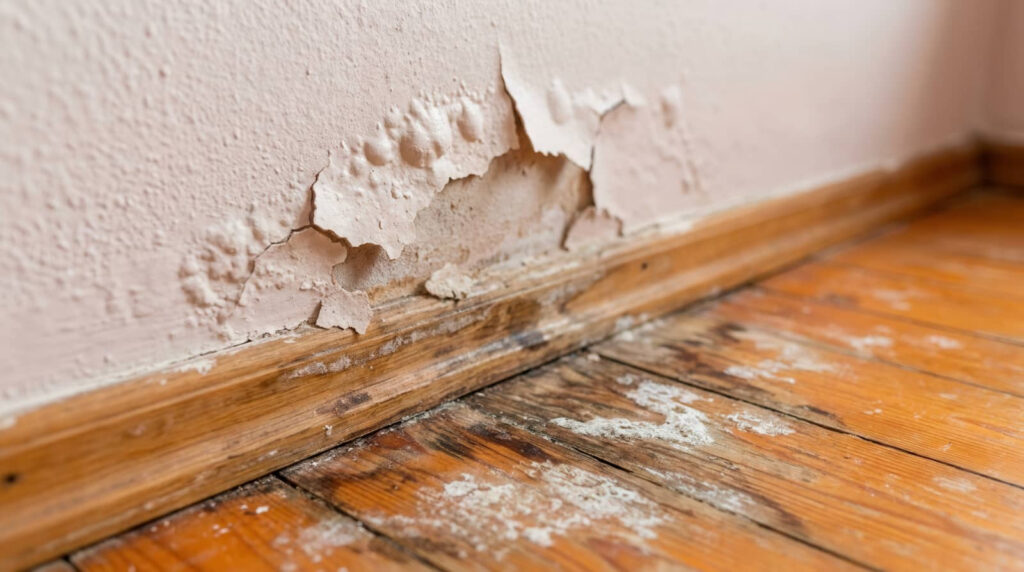
After a sewage backup, you need to act fast and methodically. Black Mold Cleanup should begin by stopping the source and securing the area before contamination spreads further. Then remove soaked porous materials, clean hard surfaces with detergent and an EPA-approved disinfectant, and dry everything completely to control mold growth. If the damage is widespread or the odor persists, you’ll want to know when the problem has gone beyond basic cleanup.
Key Takeaways
- Shut off the water source immediately and keep people out of the contaminated area.
- Wear gloves, boots, eye protection, and a respirator before handling sewage or mold.
- Remove and discard saturated drywall, insulation, carpet, and padding.
- Clean hard surfaces with detergent, then disinfect with an EPA-registered mold product.
- Dry the area completely with fans, dehumidifiers, and moisture checks to prevent regrowth.
Stop the Sewage Backup and Secure the Area
Before you clean any mold, you need to stop the sewage backup and secure the area. Shut off the water source, and if the line is active, contact a licensed plumber right away.
Keep everyone out of the affected space, and post a clear warning so no one enters by accident. For sewage safety, wear gloves, boots, eye protection, and a respirator if aerosol exposure is possible.
Open exterior doors if you can do so safely, but don’t run fans that could spread contamination. Use area containment by closing doors, sealing gaps with plastic, and isolating HVAC returns.
Remove pets, children, and unnecessary items from the zone. You’re protecting your team, your home, and the cleanup process by stabilizing conditions first.
Remove Black Mold From Wet Materials
Once the area is secured and the sewage source is stopped, remove any wet materials that can’t be cleaned and dried immediately.
You should perform affected material assessment to separate salvageable items from porous materials that trap contamination. Bag and discard saturated drywall, insulation, carpeting, and padding.
For hard surfaces, you can use mold removal techniques suited to the material, but only after you verify the item isn’t structurally damaged.
Move each piece carefully to avoid spreading debris, and keep your team’s path short and controlled. Label items for disposal or recovery so everyone stays aligned.
If you work methodically, you protect the space, reduce cross-contamination, and give your crew a clear, shared starting point for the next cleanup step.
Clean and Disinfect the Backup Area
With the damaged materials removed, you can clean the backup area by washing all remaining nonporous surfaces with detergent and water to lift residue and biofilm.
Then apply an EPA-registered disinfectant approved for mold cleanup, following the label contact time exactly. You’ll want to scrub corners, seams, and fixtures where contamination can hide, because missed areas can keep health risks active.
Use clean cloths or disposable wipes, and replace them often so you don’t spread spores back into the space. Rinse surfaces if the product requires it, and verify that no visible debris remains.
These preventative measures help you reclaim the area safely and support a shared, healthy environment for everyone who uses it.
Dry the Space to Prevent Mold Regrowth
After cleaning and disinfecting, dry the area completely to prevent mold from returning.
You should open windows, run fans, and use dehumidifiers to speed evaporation.
Apply ventilation techniques that move air across walls, floors, and hidden cavities so trapped dampness can’t linger.
Check baseboards, insulation edges, and under cabinets, because these spots often hold moisture after a backup.
Keep indoor humidity below 60% with consistent moisture control, and empty dehumidifier tanks before they overflow.
If you’ve removed wet materials, let framing, subfloors, and concrete dry until they feel fully dry and read dry on a moisture meter.
Stay systematic, because your cleanup team relies on thorough drying to protect the space and help everyone breathe easier together.
Call a Mold Remediation Specialist When Needed
If mold covers a large area, keeps returning, or involves hidden damage, you should call a mold remediation specialist. You’ll get a formal mold assessment that identifies the source, the affected materials, and the cleanup scope.
A qualified specialist uses containment, HEPA filtration, and moisture mapping to stop spread and verify drying. If wastewater reached walls, insulation, or subflooring, you shouldn’t guess; hidden colonies can persist and raise health risks for your household.
By bringing in a trained team, you join a process built on standards, documentation, and accountability. They’ll explain each step, coordinate safe removal, and reduce the chance of recurrence.
When you need certainty after backup damage, professional remediation gives you a clear path back to a clean, stable space.
Frequently Asked Questions
Can Insurance Cover Black Mold Cleanup After a Sewage Backup?
Yes, your insurance policies may cover black mold cleanup after a sewage backup, but only if the policy includes sewer backup coverage and your coverage limits apply. You’ll want to review exclusions, claim deadlines, and documentation carefully.
How Long Does Black Mold Take to Appear After Flooding?
You’ll usually see mold growth within 24 to 48 hours after flood damage, especially in warm, humid spaces. Dry materials fast, inspect hidden areas, and act quickly so you and your home stay protected.
Which Health Symptoms Suggest Mold Exposure Needs Medical Attention?
If you’re wheezing like a homeowner after basement cleanup, you need care when mold allergy symptoms or worsening respiratory issues appear. You should also seek help for chest tightness, fever, or persistent coughing.
What Equipment Is Best for Testing Hidden Mold Behind Walls?
You’ll get the best results using infrared cameras, borescopes, and moisture meters as mold detection tools. You can trace damp areas behind walls, confirm hidden leakage, and target inspection points before opening any surface.
How Can I Tell if Contaminated Items Are Safe to Keep?
You can tell by inspecting, odor-checking, and testing each item after a mold assessment. During item evaluation, keep only dry, nonporous, intact belongings; discard porous pieces with staining, warping, or persistent musty scent.
Wrap-Up
You should stop the sewage source, remove saturated porous materials, disinfect hard surfaces, and dry the area completely to limit black mold growth. For example, if a basement carpet and drywall remain wet for more than 24 to 48 hours after a backup, you should replace them rather than try to salvage them. If contamination is widespread or persistent, you shouldn’t delay calling a certified mold remediation specialist for a full assessment.