
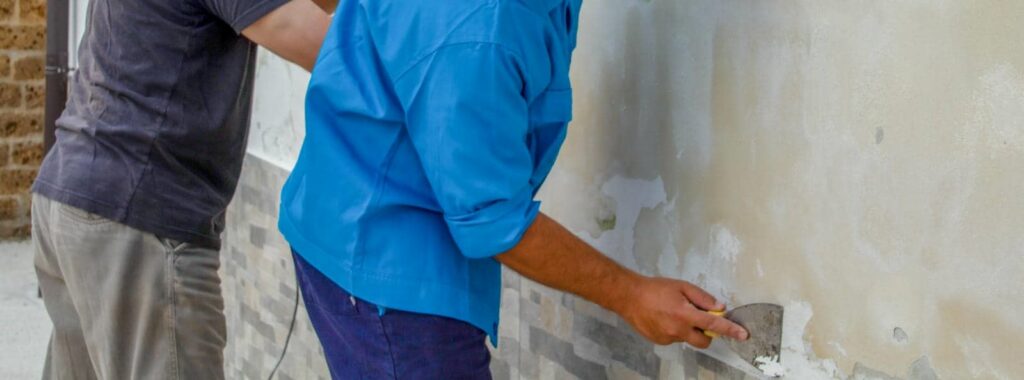
Many homeowners underestimate the hidden costs associated with flood repairs, which can quickly escalate if not properly managed. It’s vital to accurately assess the damage before diving into the repair process. Understanding the full scope of what needs to be fixed will save you time and money in the long run. But how do you ensure you’re not overlooking anything essential? Let’s explore some practical tips to help you budget effectively for these unexpected expenses.
Key Takeaways
- Thoroughly assess damage to accurately estimate repair costs and ensure proper insurance claims are filed.
- Obtain at least three repair estimates to compare services and negotiate better pricing.
- Allocate a contingency fund of 10-20% of the total budget for unforeseen repair expenses.
- Document all findings with photos and notes to track the extent of the damage effectively.
- Regularly review and adjust your budget and contingency fund as repairs progress to maintain financial stability.
Assess the Damage Accurately
When it comes to budgeting for flood repair costs, accurately evaluating the damage is vital. Start by thoroughly inspecting your property. Look for water stains, warped walls, and damaged flooring. Document everything—photos and notes can help you keep track of the extent of the damage.
This damage evaluation isn’t just for your records; it’s essential for your insurance coverage. Many policies require detailed assessments to process claims effectively, so having an all-encompassing report can expedite your reimbursement process.
Moreover, be sure to check hidden areas, like basements or crawl spaces, where damage mightn’t be immediately visible. If you’re unsure about your evaluation, consider consulting with a professional. Their expertise can provide a more accurate assessment and ensure you don’t overlook critical issues.
Obtain Multiple Repair Estimates
Once you’ve completed a thorough assessment of the damage, the next step is to obtain multiple repair estimates. This isn’t just about finding the lowest price; it’s essential for informed decision-making.
Start by researching local repair companies and request estimates from at least three. This allows you to make effective repair company comparisons, ensuring you’re aware of the range of services offered and their respective costs.
When you have your estimates, don’t hesitate to use estimate negotiation strategies. If one company provides a lower quote, share it with others to see if they can match or beat it.
This approach not only helps you save money but also fosters a sense of community as you engage with local businesses.
Allocate a Contingency Fund
As you plan for flood repairs, allocating a contingency fund is essential for managing unexpected costs that often arise during the restoration process.
Even with thorough financial planning, hidden damages can surface, and repairs may exceed initial estimates. Setting aside emergency savings specifically for these situations ensures you’re prepared.
A good rule of thumb is to allocate around 10-20% of your total repair budget to this fund. This cushion allows you to address unforeseen issues without derailing your financial stability.
Review your budget regularly and adjust your contingency fund as needed, especially if you uncover more damage during repairs.
Frequently Asked Questions
How Can I Document Flood Damage for Insurance Claims?
To document flood damage for your insurance claim, take clear photos, list damaged items, and gather repair estimates. Following these flood documentation tips will streamline the insurance claim process and help secure your compensation.
What Types of Repairs Are Typically Covered by Insurance?
Flood insurance typically covers structural repairs, personal property damage, and cleanup costs, but you’ll need to check your policy’s coverage limits. Understanding these details helps ensure you’re prepared for potential repairs after a flood.
Should I Hire a Public Adjuster for My Flood Claim?
Hiring a public adjuster can streamline your flood claim process. They understand the nuances of insurance, maximizing your benefits. Their expertise often leads to higher settlements, ensuring you’re fairly compensated for your flood-related damages.
How Long Do Flood Repair Projects Usually Take?
Flood repair projects typically take 4 to 8 weeks, depending on damage severity. Understanding repair timelines and project phases can help you stay organized, ensuring you feel supported throughout the entire restoration process.
What Are the Common Hidden Costs in Flood Repairs?
You’ll encounter hidden expenses like mold remediation, structural assessments, and repair contingencies. These costs often arise unexpectedly, so it’s essential to factor them into your budget to ensure a smooth repair process and avoid financial strain.
Final Thoughts
By taking the time to accurately assess the damage, gather multiple repair estimates, and set aside a contingency fund, you’re not just fixing your home; you’re planting seeds for recovery. Think of your budget as a sturdy lifeboat, maneuvering through the turbulent waters of flood repair. With careful planning and foresight, you’ll steer toward a safe harbor, ensuring that you’re prepared for whatever unexpected waves come your way during the restoration process.