
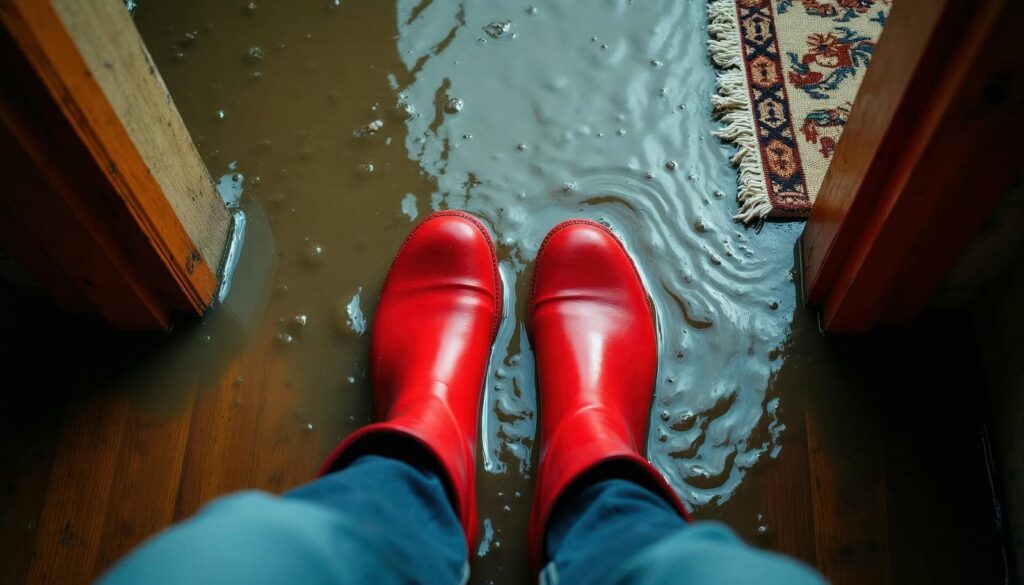
When floodwater rises, what you do in the first minutes can decide the whole recovery? You should shut off the main water supply, protect the affected area, and start water extraction with truck-mounted vacuums or other high-capacity tools. Focus on low spots first, then dry walls and hidden cavities with air movers and dehumidifiers. Keep watching humidity and porous materials, because mold can begin before you expect it.
Key Takeaways
- Shut off the main water supply and isolate the flooded area to stop further damage.
- Use truck-mounted vacuums or powerful extractors to remove standing water quickly and efficiently.
- Work from the lowest point outward, keeping hoses clear and checking for new seepage.
- Dry walls, baseboards, and hidden cavities with air movers, dehumidifiers, and moisture meters.
- Remove saturated porous materials within 24 to 48 hours to prevent mold growth.
Stop the Water and Protect the Area
If it’s still safe to do so, shut off the main water supply and stop the source of flooding as quickly as possible.
Then isolate the affected area so you can limit spread and protect adjacent rooms.
Turn off electricity only if you can reach the panel without crossing standing water, and keep everyone clear of the hazard.
During your area assessment, look for hidden flow paths, saturated baseboards, and any damaged fixtures that might continue feeding water.
Document the water source, because accurate identification helps you control the issue and coordinate repairs.
Move dry materials, secure valuables, and place barriers at doorways if water is still migrating.
You’re not alone here; every careful step you take helps stabilize the space and supports a safer recovery.
Use Fast Water Extraction Tools
With the water source controlled and the area secured, move straight to fast extraction equipment to remove standing water before it spreads deeper into flooring, walls, and subfloors.
You’ll get the best results when you pair powerful extraction equipment with proven water removal techniques, such as truck-mounted vacuums, portable extractors, and weighted carpet tools.
These tools pull water quickly from carpet fibers, padding, and hard surfaces, reducing saturation and helping your team stay ahead of hidden damage.
Work in systematic passes so you don’t miss low spots or seams. If you’re part of a response crew, this shared process keeps everyone aligned and efficient.
Use clean, maintained equipment so performance stays strong and predictable during the first critical hour.
Remove Standing Water Safely
Before you start pulling water out, make sure the area is safe to enter by shutting off electricity to affected spaces, wearing the right PPE, and checking for hidden hazards like slippery surfaces, weakened floors, and contaminated water.
Then choose extraction methods that match the depth and spread of the standing water: use a wet vac, submersible pump, or truck-mounted unit, and work from the lowest point toward the exit.
Keep hoses clear so flow stays steady, and move slowly to avoid stirring debris. Watch your footing and maintain water safety by monitoring for new seepage, shifting materials, or equipment strain.
You’re not dealing with this alone—follow a calm, methodical process, and you’ll protect your space while removing water efficiently and safely.
Dry Walls and Hidden Moisture
Once the standing water is gone, you need to dry walls and hidden cavities quickly because moisture can stay trapped behind drywall, baseboards, and insulation long after surfaces look dry.
You should pull baseboards, open access points, and use air movers plus dehumidifiers to move dry air through each layer.
Use moisture detection tools to check wall cores, trim, and floor edges so you’re not guessing. If readings stay elevated, keep drying until the structure reaches a stable baseline.
Pay close attention to wall insulation, since damp batts and cavities can hold water and slow recovery.
You’re not handling this alone; a systematic drying plan helps protect the whole space and gives you confidence that hidden areas are truly dry.
Prevent Mold After Water Extraction
As soon as water is extracted, you need to stop mold before it starts by drying the structure fast and keeping indoor humidity under control.
Use air movers and dehumidifiers together so moisture leaves framing, subfloors, and cavities before spores can settle.
Check porous materials daily, because wet drywall, insulation, and carpet padding can hide dampness.
Remove anything that stays saturated beyond 24 to 48 hours. You’ll protect your home and your people by keeping surfaces clean, ventilated, and above the condensation threshold.
For reliable mold prevention, monitor humidity with a meter and aim for 30% to 60%.
Good moisture control also means fixing leaks, sealing affected areas, and verifying dryness with professional meters.
Stay steady; you’re restoring a safer space for everyone.
Frequently Asked Questions
How Quickly Should I Call a Water Extraction Service After Flooding?
Call a water extraction service immediately, ideally within hours, because your extraction timeline directly affects water damage severity, mold risk, and recovery costs. You’ll protect your space faster and join a safer, supported response.
Does Floodwater Damage Electronics Even if They Still Turn On?
Yes—floodwater can cause hidden water damage even if electronics still turn on, so you shouldn’t trust them yet. For electronic safety, you’ll want professional inspection, drying, and testing before you reconnect power or use them.
What Should I Do With Contaminated Items After Water Removal?
You should sort contaminated items immediately, then bag, label, and remove them using approved disposal methods. When in doubt, toss it out; you’ll protect your home, health, and community, and you’re not alone.
Is It Safe to Stay Home During Emergency Water Extraction?
You can usually stay home if you follow safety precautions and complete a home assessment first. Keep clear of wet areas, electricity, and contaminants, and listen to technicians’ instructions. If conditions worsen, leave immediately.
Will Insurance Cover Professional Water Extraction Costs?
Usually, yes—your insurance coverage may pay for professional water extraction if the damage is sudden and covered. You’ll need to document losses, start the claim process quickly, and follow your adjuster’s instructions carefully.
Review
When you stop the water, extract it fast, and dry every hidden cavity, you do more than protect the structure—you protect the people in it. That’s the key coincidence: the same steps that remove water also reduce mold risk, so quick action pays twice. Keep checking humidity, inspect porous materials, and stay ahead of any lingering dampness. If you act decisively now, you’ll restore safety faster and limit costly damage.