
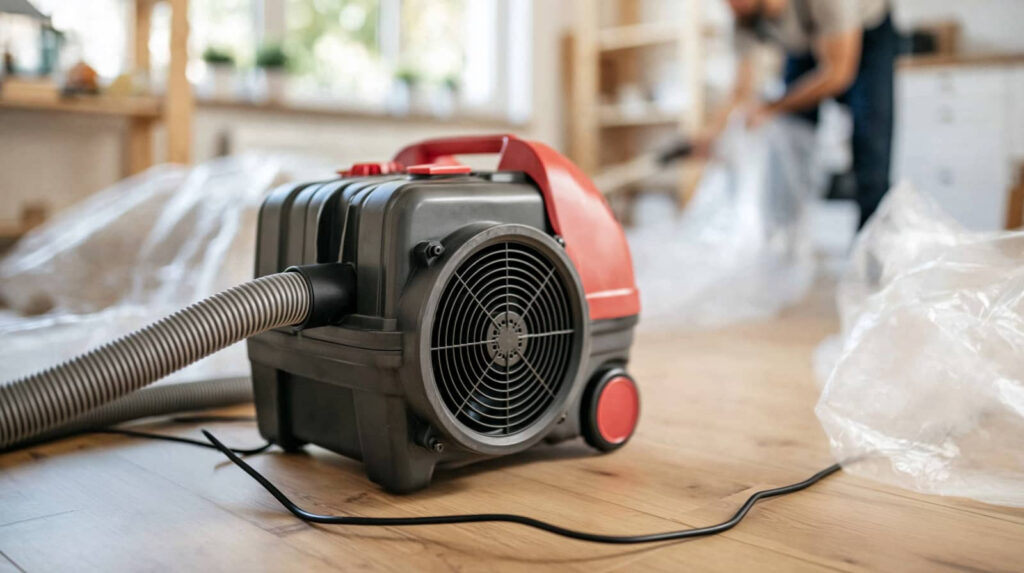
A flooded room can feel chaotic, but a calm, methodical response can help limit the damage. Restore your home by first stopping the leak and checking for hidden mold, then drying walls, floors, and belongings with fans and dehumidifiers. Next, remove unsafe materials, clean hard surfaces, and repair damaged areas with moisture-resistant products. The real risk often appears after the water is gone, so what happens next matters just as much as the initial cleanup.
Key Takeaways
- Stop the leak immediately and inspect for hidden moisture or mold.
- Dry walls, floors, and belongings thoroughly with fans and a dehumidifier.
- Remove and safely discard porous materials that are mold-damaged.
- Clean hard surfaces with soap, water, and approved mold-cleaning solutions.
- Repair damaged materials and seal leaks to prevent future water damage.
Stop the Leak and Check for Hidden Mold
Before you do anything else, stop the source of the water damage and shut off the affected line, appliance, or main supply if needed.
Then inspect the area for active seepage, damp joints, and staining so you can confirm the leak’s origin. Use water leak detection tools, or call a pro if the source isn’t obvious.
Once the flow stops, check hidden cavities, baseboards, and under fixtures for musty odors, discoloration, or soft spots that suggest mold. Wear gloves and a mask while you look, and document what you find.
Quick action matters, and you’re not facing this alone. Apply mold prevention techniques by removing standing moisture from surfaces, improving airflow, and isolating contaminated items until you’ve verified the space is safe.
Dry Out Walls, Floors, and Belongings
Once the leak is under control and you’ve confirmed the affected area, move quickly to remove moisture from walls, floors, and belongings. You’ll protect your home and support faster recovery with steady moisture control and proven restoration techniques.
- Open windows and run fans to push humid air out.
- Use a dehumidifier to pull water from the air and materials.
- Lift rugs, remove baseboards, and circulate air behind surfaces.
- Spread out books, clothing, and decor so each item dries evenly.
Check drywall, wood, and flooring daily for damp spots, and keep airflow moving until everything feels dry.
You’re not handling this alone; each careful step helps your space return to normal safely and efficiently.
Throw Out Mold-Damaged Materials Safely
If mold has already taken hold, you’ll need to remove and discard porous materials that can’t be fully cleaned or dried, such as soaked drywall, insulation, carpet padding, and heavily contaminated furniture.
Before you start, wear gloves, an N95 respirator, eye protection, and long sleeves as safety precautions. Seal debris in heavy-duty plastic bags or wrap larger items tightly in plastic sheeting, then tape them closed to limit spore spread.
Keep the area contained so you and your household stay protected while you work. Follow local disposal rules for contaminated waste, and don’t mix these items with regular trash unless your municipality allows it.
These mold removal techniques help you reset your space safely, reduce cross-contamination, and move forward with confidence together.
Clean Mold From Hard Surfaces
With the porous, mold-damaged materials removed, you can now clean the hard surfaces that remain, such as tile, sealed wood, metal, glass, and countertops.
Wear gloves and a mask, then ventilate the room so you’re not working alone in stale air. Use mold removal techniques that start with soap and water, then apply effective cleaning solutions approved for hard surfaces.
- Scrub visible growth with a stiff brush.
- Rinse and wipe the area dry.
- Reapply cleaner to stubborn spots.
- Inspect seams and corners closely.
Work methodically, and you’ll help your home feel safe again.
If the surface stays stained but clean, that’s okay; the goal is to remove active mold, not cosmetic discoloration.
Repair Damage and Prevent Mold Return
Now that the area is clean and dry, you can begin repairs that restore the structure and keep moisture from coming back.
Replace damaged drywall, insulation, baseboards, and flooring with materials rated for wet areas when needed. Seal gaps around plumbing, windows, and slab cracks so hidden moisture can’t settle in.
If you had major water extraction issues, inspect subfloors and framing for swelling, rot, or soft spots before closing walls. Use a dehumidifier during repairs to keep humidity low and support mold prevention.
Prime exposed wood with a mold-resistant coating, then repaint with washable finishes. Test repaired spaces for leaks after each fix.
You’re rebuilding a safer home now, and each careful step helps your space stay strong, dry, and ready for you.
Frequently Asked Questions
How Soon Should I Call My Insurance Company After Water Damage?
Call your insurance company immediately after water damage, ideally within hours. You’ll protect insurance claims, document losses, and speed repairs. If you wait, coverage disputes can grow, so notify them, then start drying and recording everything.
Can I Stay in My Home During Water Damage Cleanup?
You can stay, if you’ve got safe utilities and dry areas, but you’ll need strict water safety and cleanup precautions. Avoid contaminated rooms, wear protection, improve ventilation, and leave if you smell mold, sewage, or electrical hazards.
What Signs Indicate Structural Damage After Flooding?
You’ll notice structural damage after flooding if walls crack, floors sag, doors stick, or gaps appear. Check flood safety, foundation integrity, and call a structural engineer quickly. You’re not alone; act calmly and protect your home.
Are Professional Water Restoration Services Worth the Cost?
Yes—you’ll often save more than you spend. Like a soggy orchestra playing under your floorboards, damage spreads fast. Your cost analysis should include restoration techniques, drying, mold prevention, and structural checks to protect your home.
How Do I Document Damage for an Insurance Claim?
You’ll document damage by taking dated photos, video, and detailed notes, then list affected items for your damage assessment. Send everything to your insurer quickly to support the claim process and keep you informed.
Review
Now that you’ve stopped the leak, dried everything out, and cleaned up the mess, your home can finally start pretending it never happened. Ironically, the best way to beat water damage is to act before it turns into a moldy surprise. Keep checking for hidden damp spots, replace damaged materials with moisture-resistant ones, and seal every gap you can find. With regular inspections and a little maintenance, you’ll keep future trouble from quietly moving back in.