
When your home faces flooding, it’s essential to act quickly and safely. Start by evaluating the damage and identifying any hazards. Your safety comes first, so don’t rush into the cleanup without proper gear. Once you’ve examined the flooded home situation, you can begin removing the standing water and drying out affected areas. But there’s more to consider to ensure a thorough restoration. What steps should you take next to protect your home?
Key Takeaways
- Assess damage and safety hazards first; take photos for insurance and wear protective gear during cleanup.
- Remove standing water promptly using wet/dry vacuums or submersible pumps; create drainage paths as needed.
- Thoroughly dry affected areas with dehumidifiers and fans, aiming for indoor humidity below 60% to prevent mold.
- Clean and disinfect surfaces with soap and EPA-approved disinfectants, focusing on high-touch areas for safety.
- Recognize when to seek professional help for extensive damage, mold issues, or health concerns related to cleanup.
Assess the Damage and Safety Hazards
When you step into your flooded home, take a moment to assess the damage and identify any safety hazards before diving into cleanup.
Start with a damage evaluation, noting which areas are affected and how severe the destruction is. Look for sagging ceilings, cracked walls, and damaged electrical outlets. If you can, snap some photos for insurance purposes.
Next, prioritize safety precautions. Look out for potential hazards like exposed wiring, slippery floors, or chemicals that may have spilled. If you smell gas or see sparks, leave immediately and call for help.
Wear protective gear, such as gloves and boots, to shield yourself from contaminants.
It’s essential to remember that you’re not alone in this. Reach out to neighbors or friends for support, and share your experiences.
Together, you can navigate the challenges ahead, creating a sense of belonging in a tough time.
Remove Standing Water Promptly
As you begin the cleanup process, it’s crucial to remove standing water as quickly as possible to prevent further damage and mold growth.
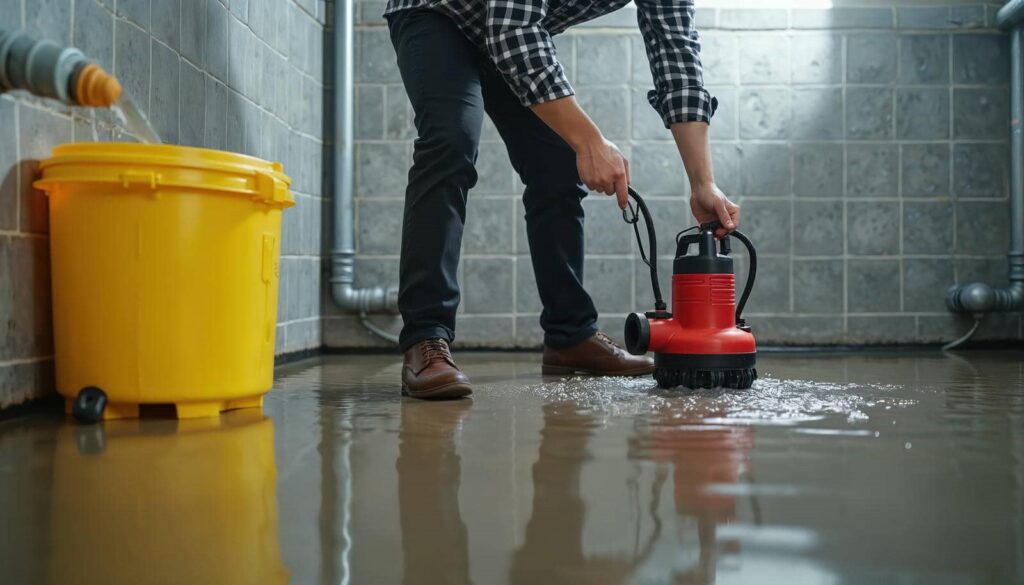
Start by evaluating how deep the water is; for shallow areas, you can use a wet/dry vacuum for effective water extraction techniques. If you’re dealing with deeper water, consider effective pumping methods like submersible pumps to expedite the process.
Make sure to wear protective gear, including boots and gloves, to keep yourself safe from contaminants.
If you’re uncertain about tackling large amounts of water alone, don’t hesitate to reach out to friends or professional services for help.
Remember, you’re not alone in this; many in your community have faced similar challenges.
Dry Out Affected Areas Thoroughly
Once you’ve removed the standing water, it’s essential to dry out the affected areas thoroughly to prevent mold and further damage.
Use dehumidifiers to pull moisture from the air, and make sure to ventilate the spaces by opening windows or using fans.
Taking these steps quickly will help restore your home and provide peace of mind.
Remove Standing Water
Act quickly to remove standing water from your flooded home, as every moment counts in preventing further damage.
Prioritizing water extraction and effective drainage solutions can save your property from mold and structural issues. Here’s how to tackle it:
- Assess the area: Identify the deepest spots and where water collects.
- Use a pump: Invest in a submersible pump for efficient water extraction.
- Create drainage paths: Use sandbags or ditches to reroute water away from your home.
- Ventilate: Open windows and doors to encourage airflow, helping with evaporation.
These steps help in swift recovery and create a sense of community as you work through this challenging time.
You’re not alone in this!
Use Dehumidifiers Effectively
While addressing the aftermath of a flood, using dehumidifiers effectively can make a significant difference in drying out affected areas.
Start by placing your dehumidifier in the most humid spots—typically, these are basements or rooms that experience the most water exposure. Set the dehumidifier settings to high during the initial drying phase to maximize moisture control.
As the air becomes drier, you can adjust the settings to maintain ideal humidity levels without overworking the machine. Regularly empty the water reservoir or connect a hose for continuous drainage.
Ventilate Affected Spaces
How can you ensure that your home dries out effectively after a flood? Ventilating affected spaces is essential for preventing mold and structural damage.
Here are some air circulation techniques to take into account:
- Open windows and doors: Let fresh air flow through your home to reduce humidity levels naturally.
- Use fans: Position fans strategically to promote airflow and speed up drying.
- Create cross-ventilation: Open windows on opposite sides of the room to enhance air movement.
- Monitor humidity: Use a hygrometer to maintain humidity control, aiming for levels below 60%.
Clean and Disinfect Surfaces
Once you’ve removed standing water and debris from your flooded home, the next vital step is to clean and disinfect all surfaces.
Begin surface cleaning by using soap and water to remove dirt and grime. Pay special attention to countertops, floors, and any other frequently touched areas.
Afterward, it’s essential to apply disinfecting agents to kill bacteria and mold spores. Choose EPA-approved disinfectants that are effective against flooding-related contaminants.
Make sure to follow the instructions on the label for safe and effective use. Use gloves to protect your hands and ventilate the space as you work.
Remove Damaged Materials
Once you’ve cleaned and disinfected surfaces, it’s time to assess the extent of the damage to your materials.
Prioritize your safety by wearing protective gear and ensuring the area is stable before you start removing anything.
Proper disposal methods are essential; check local regulations to safely get rid of damaged items and prevent further hazards in your home.
Assess Damage Extent
After a flood, evaluating the extent of the damage is essential for effective cleanup. You’ll want to ensure that your home’s structural integrity and water quality are safe. Here’s how to assess the damage:
- Inspect Walls and Floors: Look for discoloration, warping, or mold. These can indicate deeper issues.
- Check Electrical Systems: Verify wiring and outlets aren’t damaged, as this can pose serious safety risks.
- Evaluate Furniture and Belongings: Identify items that are beyond repair and need to be discarded.
- Assess HVAC Systems: Floodwater can contaminate these systems, leading to health concerns.
Taking these steps helps you understand what needs to be removed, ensuring a safer space for you and your loved ones as you begin the recovery process.
Prioritize Safety First
With a clear understanding of the damage, your next step is to prioritize safety by removing any materials that pose a risk.
Start by donning personal protective equipment like gloves, masks, and sturdy boots to shield yourself from potential hazards.
Carefully assess which items—such as soaked carpets, damaged drywall, or moldy furniture—need to go.
It’s essential to work methodically and avoid rushing, as this can lead to injury.
Keep your emergency contact list handy; you may need to reach out to professionals for help or advice.
Remember, you’re not alone in this process.
Seeking support from friends or family can lighten the emotional load and make the cleanup feel less intimidating.
Your safety and well-being are the top priorities.
Proper Disposal Methods
As you begin the cleanup process, it’s essential to handle the disposal of damaged materials properly to prevent further issues like mold growth or structural damage.
Here are some practical steps to follow:
- Identify what’s damaged: Check carpets, drywall, and furniture for water damage.
- Separate materials: Keep recyclables like wood and metal separate from hazardous waste, such as moldy insulation or soaked electrical items.
- Follow local guidelines: Each community has specific rules for disposing of hazardous waste. Make sure to adhere to these.
- Recycle when possible: Many materials can be recycled, reducing landfill waste and supporting sustainability.
Prevent Mold Growth With Proper Ventilation
To effectively prevent mold growth in your flooded home, ensuring proper ventilation is essential. Start by opening windows and doors to encourage fresh air circulation.
If the weather’s not cooperative, use fans strategically to enhance air movement. Position them to push air out of the wet areas, creating a flow that helps eliminate moisture.
Consider employing ventilation techniques like dehumidifiers, which can draw out excess humidity from the air. Aim to keep indoor humidity levels below 60% to inhibit mold spores from thriving.
Also, inspect your home for any hidden sources of dampness, such as leaks or condensation, and address these promptly.
Remember, mold loves stagnant air, so maintaining consistent airflow is key. You’re not alone in this struggle; many have faced the same challenges.
Seek Professional Help if Needed
Even after you’ve taken steps to improve ventilation and reduce moisture, there may still be situations where professional help is necessary.
It’s important to recognize when you need expert consultation for effective cleanup and restoration.
Consider reaching out for professional restoration if you encounter any of the following:
- Extensive Water Damage: If water has seeped into walls or flooring beyond what you can handle.
- Mold Growth: If you spot mold or mildew, it’s best to call in the experts.
- Structural Issues: If you notice sagging ceilings or compromised walls, don’t hesitate to seek help.
- Health Concerns: If anyone in your home has respiratory issues or allergies, professional cleanup is essential.
Don’t hesitate to connect with professionals who can guide you through the process, ensuring your home is safe, healthy, and welcoming once more.
You’re not alone in this—support is available.
Frequently Asked Questions
How Can I Determine if My Home Is Structurally Safe After Flooding?
To determine if your home is safe, conduct a thorough structural assessment and safety inspection. Look for signs of damage, check load-bearing walls, and consult professionals if you’re unsure. Your safety matters, and you deserve peace of mind.
What Personal Protective Equipment Should I Wear During Cleanup?
You’ll need protective gear like gloves, boots, and masks to keep yourself safe. Following safety guidelines helps ensure you’re protected from contaminants and injuries. Prioritize your health, and don’t hesitate to ask for help if needed.
Can I Use a Regular Vacuum for Water Removal?
You shouldn’t use a regular vacuum for water removal; it can’t handle water damage effectively. Instead, opt for a wet/dry vacuum, designed to tackle moisture and protect your home from further issues. Stay safe!
What Should I Do With My Electrical Appliances After a Flood?
After a flood, don’t use your electrical appliances until professionals assess them. Water poses serious electrical risks, so prioritize appliance safety. It’s tough, but ensuring your family’s safety is the most important step you can take.
How Long Should I Wait Before Starting the Cleanup Process?
You shouldn’t wait too long; every moment counts in a flooding timeline. Start cleanup as soon as it’s safe to reduce damage. Your urgency can make a world of difference in restoring your home and peace.
Wrap-Up
In the aftermath of a flood, it’s essential to take action quickly and effectively to restore your home. By following these tips, you can tackle the mess while safeguarding your health. Just imagine stepping back into a clean, dry space—doesn’t that feel like a relief? Remember, you’re not alone in this; reach out for help if the damage feels overwhelming. Your home can be restored, and with it, your peace of mind.