
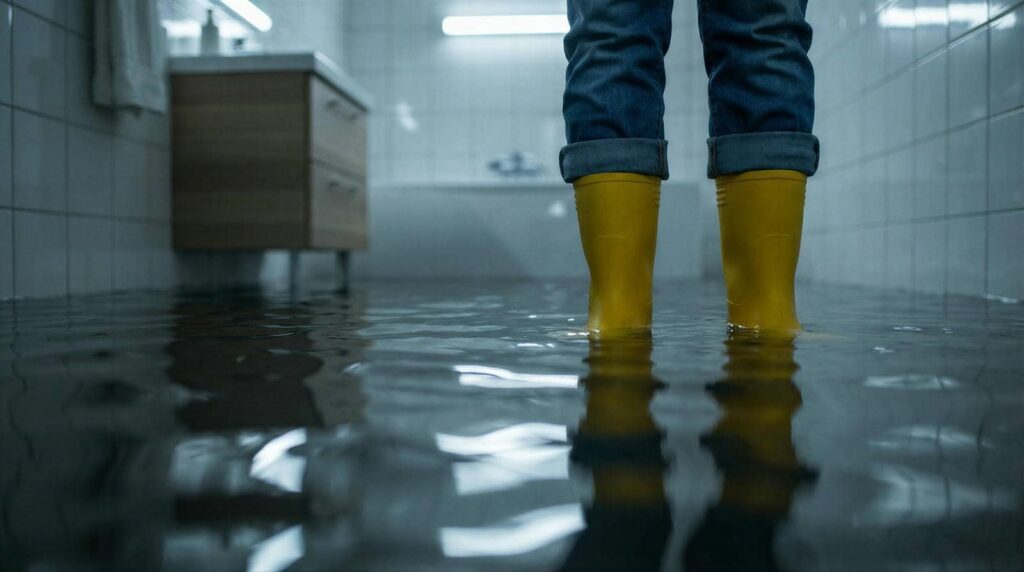
Water damage can creep into your life like an unwelcome guest, leaving chaos in its wake. Understanding what your insurance covers is essential for protecting your home and finances. Many homeowners mistakenly believe all water damage is covered, but the reality is more complex. From sudden bursts to gradual leaks, coverage varies considerably. What you find might surprise you, especially when it comes to exclusions and necessary documentation.
Key Takeaways
- Homeowner’s insurance typically covers sudden incidents like burst pipes but excludes damage from flooding.
- Gradual leaks or maintenance neglect are usually not covered under standard homeowner’s policies.
- Flood insurance is necessary for protection against external flooding events and rising water damage.
- Proper documentation, including photos and repair estimates, is crucial for successfully filing claims.
- Additional living expenses may be covered if you’re temporarily displaced due to water damage, depending on your policy.
Types of Water Damage Covered by Insurance
When it comes to water damage, understanding what your insurance covers is crucial. Various water damage types can impact your home, and knowing which ones your policy addresses helps you prepare for potential losses.
Typically, insurance coverage includes damage from sudden incidents, such as burst pipes or malfunctioning appliances. These events are often classified as “accidental” damage, making them more likely to be covered under standard homeowner’s policies.
On the other hand, damage resulting from gradual leaks or lack of maintenance usually isn’t covered, as insurers expect homeowners to maintain their properties. Flooding, which falls under a different category, often requires separate policies.
To ensure you’re adequately protected, review your insurance documents carefully and consult with your agent. This way, you’ll know exactly what water damage types your insurance covers, allowing you to take proactive measures for your home’s safety and security.
Homeowner’s Insurance vs. Flood Insurance
When it comes to protecting your home from water damage, understanding the differences between homeowner’s insurance and flood insurance is vital.
Homeowner’s insurance typically covers water damage from internal sources, like burst pipes, while flood insurance specifically addresses damage from external flooding events.
It’s also essential to take into account policy limitations, as not all water-related incidents are covered under standard homeowner’s insurance.
Coverage Differences Explained
Although both homeowner’s insurance and flood insurance are designed to protect your property, they cover different types of water damage.
Homeowner’s insurance typically covers issues like burst pipes or accidental leaks. In these cases, you’ll need to conduct a water damage assessment to document the extent of the damage for your insurance claim process.
On the other hand, flood insurance specifically addresses damage caused by rising water, such as from heavy rain or storm surges. If you live in a flood-prone area, securing this coverage is essential, as homeowner’s policies usually exclude it.
Understanding these differences ensures you have the right protection for your unique circumstances, giving you peace of mind in times of crisis.
Policy Limitations to Consider
While both homeowner’s insurance and flood insurance offer essential protection, each comes with specific policy limitations that you should carefully consider.
Homeowner’s insurance generally covers water damage from sudden incidents, like burst pipes, but often has significant policy exclusions for flooding. In contrast, flood insurance specifically protects against water damage from rising water, but it may not cover other types of water-related issues, such as sewer backups.
Additionally, both types of policies come with unique policy conditions that dictate claim processes and coverage limits. Understanding these limitations is vital to ensure you have the right protection for your needs, as overlooking policy exclusions can lead to unexpected out-of-pocket expenses when disaster strikes.
Sudden vs. Gradual Water Damage
Understanding the distinction between sudden and gradual water damage is vital for homeowners seeking to navigate their insurance coverage effectively.
Sudden water damage occurs from unexpected events, like sudden leaks from burst pipes or heavy rainfall, leading to immediate and often significant damage. Insurance typically covers these incidents, as they fall under the category of unforeseen circumstances.
On the other hand, gradual water damage arises from ongoing issues, such as leaks that develop over time or gradual wear from moisture exposure. This type of damage often results from a lack of maintenance and is generally not covered by standard policies.
Insurers view gradual damage as a homeowner’s responsibility to address, making it important for you to stay vigilant about property upkeep.
Common Exclusions in Water Damage Policies
When reviewing your water damage policy, you’ll find that certain exclusions can substantially impact your coverage.
Gradual damage, flood events, and issues stemming from maintenance neglect often aren’t covered, leaving you vulnerable in these scenarios.
Understanding these limitations is essential for making informed decisions about your insurance needs.
Gradual Damage Exclusion
Although water damage can occur suddenly, many insurance policies specifically exclude coverage for gradual damage, which often leads to misunderstandings among policyholders.
Gradual deterioration, such as slow leaks or persistent humidity, typically falls outside the scope of standard water damage coverage. This exclusion can have significant insurance implications for you, as it means you might be responsible for costly repairs stemming from these slow issues.
Often, homeowners mistakenly assume their policies will address all types of water damage, only to discover the limitations during a claim.
To protect yourself, it’s vital to understand your policy’s specifics regarding gradual damage and consider regular maintenance to mitigate such risks. Awareness can help ensure you’re not left vulnerable to unexpected expenses.
Flood Coverage Limitations
While many homeowners assume that their standard insurance policies cover all types of water damage, flood coverage is often a significant exclusion. If your home lies within a designated flood zone, you’ll need to be particularly aware of the limitations.
Standard homeowners’ insurance typically has specific coverage limits and exclusions regarding flooding:
- Damage from rising waters isn’t included.
- Overflow from rivers or lakes often isn’t covered.
- Flood-related losses may require separate policies.
To protect yourself, consider purchasing flood insurance through the National Flood Insurance Program (NFIP).
Understanding these flood coverage limitations is essential to ensuring you’re adequately protected against potential financial loss in the event of flooding.
Don’t leave your home vulnerable; be proactive about your coverage.
Maintenance Neglect Issues
Even though water damage can arise from various sources, many insurance policies often exclude damages resulting from maintenance neglect. If you don’t adhere to regular maintenance schedules, your insurer might see this as a failure to protect your property.
For instance, ignoring a leaky roof or failing to clean gutters can lead to significant water damage, and when you file a claim, the neglect consequences could leave you without coverage. Insurers expect homeowners to take reasonable steps to prevent damage.
Consequently, staying proactive about maintenance protects your home and ensures your insurance remains valid. Understanding these exclusions is vital, as it may save you from unexpected financial burdens in the event of water damage.
Required Documentation for Claims
When filing a water damage claim, having the right documentation is essential.
Accurate claim documentation helps you present necessary evidence that can greatly influence the outcome of your claim.
Here’s what you should gather:
Photos of the Damage: Take clear pictures showing the extent of the water damage. This visual evidence supports your case.
Repair Estimates: Obtain quotes from professionals for the repairs needed. These estimates help establish the financial impact of the damage.
Proof of Ownership: Keep receipts or invoices for any damaged items. This documentation confirms your ownership and the value of the losses.
The Role of Deductibles in Coverage
After you’ve gathered the necessary documentation for your water damage claim, understanding how deductibles affect your coverage is vital. Deductible amounts represent the portion you’ll need to pay out of pocket before your insurance kicks in. This means if you have a high deductible, you might end up covering more of the repair costs yourself, which can greatly impact your financial recovery.
On the flip side, a lower deductible often results in higher premiums, but it can ease the burden during a claim. It’s important to analyze the deductible impacts on your overall coverage strategy.
Consider your financial situation and risk tolerance when selecting a deductible amount. Remember, the right balance can provide peace of mind while ensuring you’re not caught off guard when water damage strikes. Understanding this aspect of your policy helps you make informed decisions and fosters a sense of belonging in a community that values preparedness.
Time Limits for Filing Claims
When dealing with water damage claims, it’s vital to understand the time limits for filing.
Each insurance policy has specific deadlines, and failing to report incidents promptly can jeopardize your claim.
Being aware of these timeframes ensures you take the necessary steps to protect your coverage.
Claim Filing Deadlines
Understanding claim filing deadlines is essential, as missing these time limits can jeopardize your chances of receiving compensation for water damage.
During the claim process, you must adhere to specific legal considerations that vary by state and insurance provider.
Keep these key points in mind:
Document the damage promptly: Take photos and gather evidence to support your claim.
Review your policy: Familiarize yourself with the time limits set by your insurer.
Communicate with your agent: Reach out for clarification on any uncertainties regarding deadlines.
Policy-Specific Timeframes
While the specifics can vary considerably between insurance providers, most policies impose strict time limits for filing claims related to water damage. Typically, you’ll find that these timeframes range from 30 to 90 days after the incident.
It’s important to be aware of these limits, as missing them can result in denial of your claim. When your policy renews, it’s a good opportunity to review any coverage adjustments that may affect these timeframes.
Understanding your policy’s nuances will help ensure you’re prepared should an incident occur. Being proactive about your coverage and deadlines fosters a sense of security and belonging among policyholders, making it easier to navigate potential water damage claims effectively.
Reporting Incidents Promptly
Since water damage can lead to significant financial loss, it’s crucial to report incidents promptly to your insurance provider.
Delay can jeopardize your claim and increase your out-of-pocket expenses. To ensure effective prompt reporting, consider the following steps:
- Document the incident thoroughly with photos and notes.
- Contact your insurer as soon as possible to initiate the claims process.
- Keep all receipts related to repairs and mitigation efforts.
Impact of Negligence on Coverage
Negligence can greatly impact your insurance coverage for water damage, as insurers often assess the circumstances surrounding the event. If you neglect to maintain your plumbing, for instance, and a burst pipe causes flooding, your insurer may classify this as a negligence example. In such cases, they might deny your claim based on the coverage implications of your actions.
Similarly, if you ignore visible leaks or fail to address inadequate drainage systems, you could face reduced or denied coverage when water damage occurs. Insurers expect policyholders to take reasonable steps to mitigate risks.
As a result, it’s essential to stay proactive about home maintenance and document any repairs you make. By doing so, you’ll strengthen your case if you ever need to file a claim, ensuring that negligence doesn’t undermine your coverage when you need it most.
Additional Living Expenses During Restoration
When water damage occurs, it often leads to the need for extensive repairs, which can leave you temporarily displaced from your home.
Luckily, many insurance policies cover additional living expenses (ALE) during this challenging time. This means you may receive financial assistance for costs you incur while your home is being restored.
Here are some common expenses that might be covered:
- Temporary housing: This could include hotel stays or rental apartments.
- Increased food costs: If you can’t cook at home, your dining expenses may rise.
- Essential personal items: You might need to purchase clothing or toiletries unexpectedly.
Understanding your coverage is vital, as it helps you navigate through the stress of displacement.
Always review your policy details to ensure you’re aware of what’s included and how to claim these benefits effectively.
This way, you can focus on returning to your home as smoothly as possible.
Tips for Preventing Water Damage Claims
To minimize the risk of water damage claims, it’s crucial to be proactive in maintaining your home.
Start by investing in a reliable water leak detection system. These devices can alert you to leaks before they become significant problems, saving you time and money.
Regular maintenance of plumbing fixtures, including checking for corrosion and replacing old pipes, is essential. Make it a habit to inspect your roof and gutters for debris, ensuring proper drainage.
Additionally, consider insulating pipes in colder areas to prevent freezing and bursting. Keep an eye on appliances like washing machines and dishwashers; replace hoses every few years to avoid wear and tear.
Finally, educate your family on emergency shut-off valves, so everyone knows how to act swiftly in case of a leak.
Frequently Asked Questions
How Can I Find My Insurance Policy Details Regarding Water Damage?
To find your insurance policy details regarding water damage, review your policy documents or contact your insurer. Check coverage limits and specific inclusions to understand what’s protected in case of water-related incidents.
Are Temporary Repairs Covered While Waiting for Insurance Approval?
While you wait for insurance approval, temporary repairs often aren’t covered. However, some policies might reimburse you later if you document everything. Always check your specific policy details for clarity on temporary repair coverage.
Will My Insurance Cover Water Damage From a Sewage Backup?
Your insurance might cover water damage from a sewage backup, but it often includes specific exclusions. Review your policy carefully to understand any limitations and ensure you’re adequately protected against potential loss.
Can I Choose My Own Contractor for Water Damage Repairs?
You can choose your own contractor for water damage repairs, but check your policy for any contractor selection guidelines. Picking the right team can make the repair process smoother than a well-oiled machine.
What if My Claim for Water Damage Is Denied?
If your water damage claim’s denied, review the denial reasons carefully. You can file a claim appeal, presenting additional evidence or documentation to strengthen your case and improve your chances of approval. Don’t lose hope!
Summary
In understanding water damage insurance, think of coverage as a safety net—if it’s properly woven, it can catch you when disasters strike. By recognizing the distinctions between homeowner’s and flood insurance, knowing what’s covered, and being aware of exclusions, you can better protect your financial health. Stay proactive in documentation and maintenance to avoid pitfalls. Ultimately, being informed is your best defense against the unexpected, ensuring you’re ready when water damage occurs.