
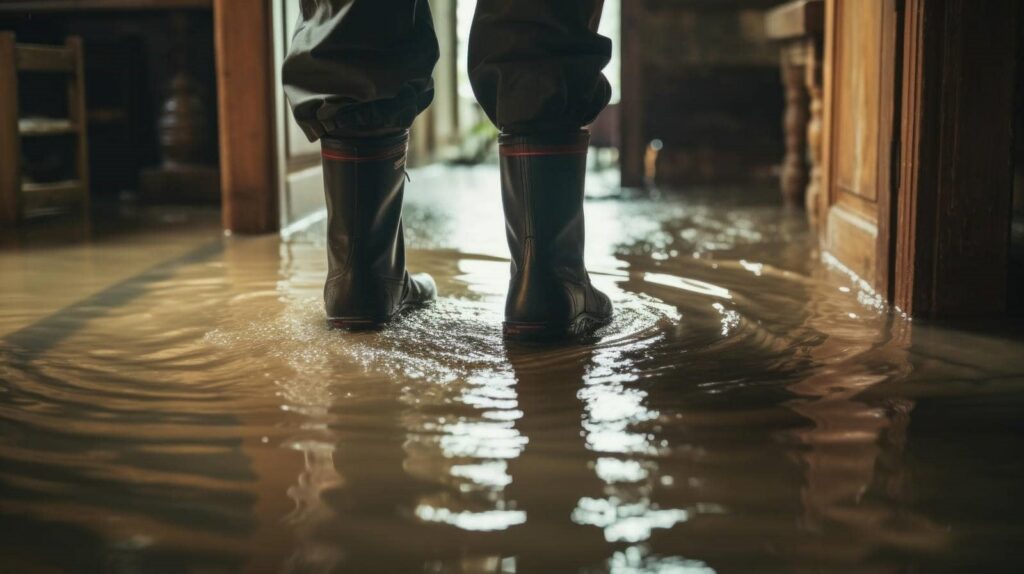
If you face a burst pipe, storm flood, or appliance leak, 24/7 water damage cleanup gives you immediate help any time of day. You’ll get fast water extraction, drying, and inspection before damage spreads deeper into walls, floors, and contents. Crews also document the scene for insurance and start controlling moisture to limit mold risk. The real question is how quickly the right steps begin, and that timing can change everything.
Key Takeaways
- 24/7 water damage cleanup is emergency water removal and drying available any time, day or night.
- It includes inspecting the site, extracting standing water, and preventing further structural damage.
- Professionals use pumps, vacuums, air movers, and dehumidifiers to dry materials quickly.
- Fast cleanup helps prevent mold growth, which can begin within 24 to 48 hours.
- The process also includes documenting damage, protecting belongings, and communicating with occupants and insurers.
What Is 24/7 Water Damage Cleanup?
24/7 water damage cleanup means emergency response services that are available at any hour to remove water, dry affected materials, and limit further damage after a leak, flood, or burst pipe.
You contact a team that arrives quickly, inspects the site, and starts water extraction with pumps, vacuums, and targeted drying tools.
These emergency services also document conditions, classify affected areas, and set up containment to support a clean, controlled workspace.
You stay informed through each step, so you know what’s happening and what comes next.
The process typically includes moisture checks, debris removal, and sanitation of surfaces that can still be restored.
When you need reliable help, 24/7 cleanup gives you skilled support, steady communication, and a path back to normal.
Why Fast Water Removal Matters
Fast water removal matters because moisture quickly creates conditions for mold growth.
You also reduce structural damage by limiting how long water can soak into drywall, flooring, and framing.
The faster you extract water, the lower your repair costs and contamination risk.
Mold Growth Prevention
When water lingers in building materials, mold can begin developing within 24 to 48 hours, so removing moisture quickly is critical to limiting contamination.
You protect your home by acting fast, because damp drywall, carpet, and insulation can support spores before you notice visible growth.
Effective mold prevention techniques include extracting standing water, increasing airflow, and using dehumidification to drop indoor humidity.
You should also inspect hidden areas, since moisture often stays trapped behind baseboards or under flooring.
Practical moisture control methods help you maintain safer conditions after cleanup, reducing the chance that mold takes hold.
When you respond promptly, you stay ahead of contamination, protect your indoor environment, and help your household feel secure during recovery.
Structural Damage Control
Once water saturates framing, subflooring, and drywall, you need to remove it quickly to limit swelling, warping, and loss of structural strength. Fast drying protects structural integrity and keeps repairs smaller, cheaper, and safer for your home.
A rapid emergency response helps you stay ahead of hidden deterioration inside walls and under floors.
- Extract standing water immediately
- Open cavities for airflow
- Use dehumidifiers and air movers
- Inspect joists, plates, and sheathing
- Document damage for repair planning
When you act fast, you’re not just drying a room—you’re protecting the structure your household relies on.
Timely cleanup reduces load-bearing risk, prevents sagging surfaces, and helps your team restore the space with confidence.
What To Do After Water Damage
After water damage, you should act quickly to stop the source, protect the area, and limit further loss.
Then you should shut off electricity if it’s safe, move valuables to a dry space, and document visible damage with photos.
Contact your water damage insurance carrier promptly so you can start the claim process and understand coverage limits.
Review homeowner responsibilities in your policy, including mitigation steps, access requirements, and reporting deadlines.
You should also notify affected occupants and keep the area restricted to reduce safety risks.
If materials stay wet, mark them for removal and drying later.
Stay organized, keep receipts, and record all calls.
Acting fast helps you protect your home, support your claim, and stay connected with the team handling recovery.
How Emergency Cleanup Works?
Emergency cleanup starts with a quick assessment of the water source, affected materials, and safety hazards so the team can choose the right mitigation steps. You get an emergency response that isolates the area, limits spread, and protects your home’s structure.
During damage assessment, technicians note saturation levels, material type, and likely contamination, then prioritize rooms that need immediate attention. That helps you stay informed and confident while the crew works.
- Stop the source if you can do so safely
- Document visible damage with photos
- Protect unaffected belongings from exposure
- Clear access to impacted rooms
- Communicate concerns to the response team
This process moves fast because delays let moisture travel farther. By acting early, you join a coordinated effort that reduces loss and supports a smoother recovery.
What Tools Pros Use To Dry Homes
Pros use specialized drying equipment to remove moisture quickly and control humidity before secondary damage sets in.
You’ll usually see air movers pushing high-velocity airflow across floors, walls, and hidden cavities to speed evaporation. Dehumidifiers pull water vapor from the air, helping the space dry evenly and stay within target conditions.
Technicians check progress with moisture meters, so you know which materials still hold water and which areas are ready for the next step. They also adjust placement and airflow to match your home’s layout, material type, and saturation level.
This approach gives you a clear, methodical process and helps you feel confident that your home is being treated like part of the crew, not just another job.
How Cleanup Prevents Mold
Fast cleanup reduces mold risk by removing standing water, lowering humidity, and drying materials before spores can take hold. You protect your home when you act within hours, because mold spores settle fast on damp surfaces.
Effective humidity control keeps indoor moisture below the level mold needs to spread. You also limit hidden growth in walls, floors, and insulation when you extract water thoroughly and improve airflow.
- Remove wet contents quickly
- Monitor moisture with sensors
- Dehumidify rooms continuously
- Dry porous materials fully
- Inspect concealed spaces often
When you respond fast, you help your space stay healthy and make it easier for your household to feel confident, comfortable, and included in a clean environment.
What To Expect From The Restoration Crew
When the restoration crew arrives, they’ll start with a site assessment to identify the water source, affected materials, and safety hazards.
You’ll see them document damage, set containment if needed, and explain the restoration process so you know what comes next.
Trained technicians use meters, thermal imaging, and moisture mapping to locate hidden water. They’ll extract standing water, remove unsalvageable materials, and place air movers and dehumidifiers to stabilize the structure.
Crew training matters here, because it helps them work efficiently and protect your property.
You can expect clear communication, scheduled updates, and recommendations for repairs, cleaning, and monitoring.
The team will also verify dryness before closing the job, so you’re left with a safe, restored space and a plan you can trust.
Frequently Asked Questions
Does 24/7 Water Damage Cleanup Include Sewage Backup Removal?
Yes, 24/7 water damage cleanup often includes sewage backup removal. You’ll get emergency extraction, containment, sewage safety measures, and cleanup procedures that reduce contamination, restore sanitation, and help you feel protected with responsive, professional support.
How Quickly Can a Cleanup Crew Arrive After I Call?
You can usually expect a crew within 1-2 hours—who wants water spreading longer? Your emergency response starts fast, and your cleanup timeline depends on distance, traffic, and damage severity, but you’ll get prompt, coordinated help.
Will My Insurance Cover Emergency Water Damage Cleanup Services?
You’ll likely get coverage if your insurance policies include sudden water damage, but coverage limits and exclusions apply. You should document losses, call your insurer fast, and confirm emergency cleanup approval before work starts.
Can I Stay in My Home During the Drying Process?
You can stay if home safety isn’t compromised; like a lighthouse, your home should guide you to secure spaces. Keep drying equipment clear, monitor moisture, and leave if electrical, structural, or mold risks appear.
Do Restoration Crews Handle Hidden Water Behind Walls?
Yes, you can rely on crews to find hidden water behind walls. They perform wall inspections, trace hidden leaks with moisture meters and thermal imaging, then open affected areas, dry cavities, and prevent mold.
Recap
When water hits your home, every minute counts. A 24/7 cleanup crew acts like a pit team at a race, moving fast to stop damage before it spreads. You should call immediately, shut off the source if you can, and start documenting losses. In one case, a small leak left overnight became a mold risk by morning. Quick extraction, drying, and monitoring help you protect your property and recover faster.