
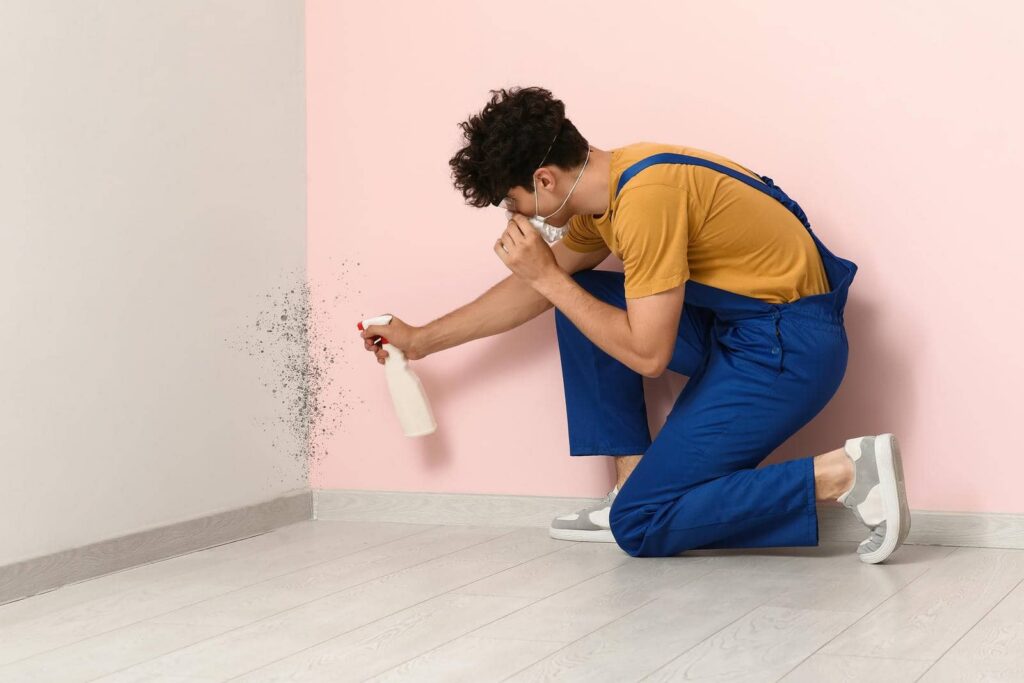
Black Mold Recovery begins with a safe, systematic approach to stop mold from spreading and prevent it from returning. Start by identifying and correcting the source of moisture, then assess the affected area before removing visible mold using appropriate cleaning methods and protective equipment. Once the mold has been removed, thoroughly dry the area and maintain indoor humidity below recommended levels to discourage future growth. Following the proper recovery process helps protect your property, improve indoor air quality, and reduce the risk of recurring mold problems.
Key Takeaways
- Wear a respirator, gloves, eye protection, and coveralls before entering the mold area.
- Stop work and inspect for electrical hazards, standing water, weak flooring, and poor ventilation first.
- Clean visible mold with approved detergent, scrubbing from the outer edge inward and replacing dirty cloths often.
- Seal and bag removed contaminated materials immediately to prevent spreading spores.
- Dry the area fast with dehumidifiers and fans, keeping humidity below 60% to stop regrowth.
Check Safety Before Cleaning Black Mold
Before you clean black mold, you should verify that the area is safe to enter and work in. Inspect for electrical hazards, standing water, weak flooring, and poor ventilation before you step inside.
Use mold identification techniques to confirm visible growth, odor patterns, and moisture sources so you know what you’re facing. If the space feels unstable, stop and call a qualified inspector.
Review safety gear essentials: fitted respirator, gloves, eye protection, long sleeves, and disposable coveralls. Seal off the area from others so your team stays protected and focused.
You’ll work more confidently when you’ve documented conditions, confirmed access, and prepared a clear plan. Careful preparation reduces exposure and helps your household or crew move forward together with control and confidence.
How to Remove Black Mold Safely
Once you’ve confirmed the area is safe and your protective gear is in place, you can start removing black mold with controlled, methodical steps.
Gather approved cleaning supplies: a scrub brush, disposable cloths, detergent, and a sealed waste bag. Lightly dampen the surface to reduce spore release, then apply the cleaner directly to the mold.
Scrub until you lift visible growth, rinsing cloths often so you don’t spread contamination. Replace dirty cloths instead of reusing them. Bag all removed material immediately and seal it before disposal.
Work from the outer edge inward to keep the cleanup contained. When you finish, inspect the surface for residual staining and repeat as needed.
Keep these mold prevention tips close so your space stays safe and your team stays confident.
Dry the Area and Stop Mold Return
After cleanup, dry the area completely to prevent lingering moisture from feeding new mold growth. You’ll protect the space by lowering humidity below 60% and keeping surfaces visibly dry.
Use dehumidifier usage to pull moisture from the air, and empty the reservoir before it overflows. Improve airflow with ventilation improvement by opening windows, running exhaust fans, and spacing furniture away from walls.
- Check walls, floors, and framing for hidden damp spots.
- Run fans until materials feel dry and cool.
- Monitor humidity with a meter for several days.
You belong in a mold-free home, so inspect daily and repeat drying if condensation returns.
Seal minor leaks, replace soaked materials, and clean dust that can trap moisture. Consistent drying stops spores from settling and helps you maintain a stable, healthy environment.
Frequently Asked Questions
How Do I Know if Mold Has Spread Inside Walls?
You’ll know mold may’ve spread inside walls when you notice persistent musty odors, discoloration, soft drywall, or recurring stains. Use mold detection methods and wall inspection techniques, and inspect for moisture with professional instruments.
Should I Hire a Professional Mold Inspector?
Yes, hire a professional mold inspector if you suspect hidden growth. You’ll gain mold inspection benefits, accurate source mapping, and moisture testing. DIY mold testing can miss spread, so you’ll protect your home and family.
What Health Symptoms Require Immediate Medical Attention?
Seek immediate medical attention if you’re having trouble breathing, chest pain, severe wheezing, fever, or confusion; one ER visit saved a friend’s life. Mold exposure can trigger acute respiratory issues, so don’t wait.
How Long Does Black Mold Remediation Usually Take?
Black mold remediation usually takes 1–7 days, depending on mold growth, damage, and drying needs. You’ll follow a remediation timeline with inspection, containment, removal, cleanup, and verification, so your team can restore safe conditions quickly.
Can Insurance Cover Black Mold Damage Cleanup?
Yes, your insurer might cover black mold cleanup if your mold insurance policies include sudden-water damage, but coverage limitations often apply. You’ll need prompt documentation, policy review, and professional estimates to secure support.
Wrap-Up
Before you clean black mold, you should check safety first: seal the area, wear protective gear, and limit airflow to stop spores from spreading. When you remove mold, scrub visible growth with detergent and water, then dispose of contaminated materials right away. Afterward, dry the space fast, run a dehumidifier, and keep humidity below 60%. Remember, one leak can lead to visible mold in 24 to 48 hours, so act quickly.