
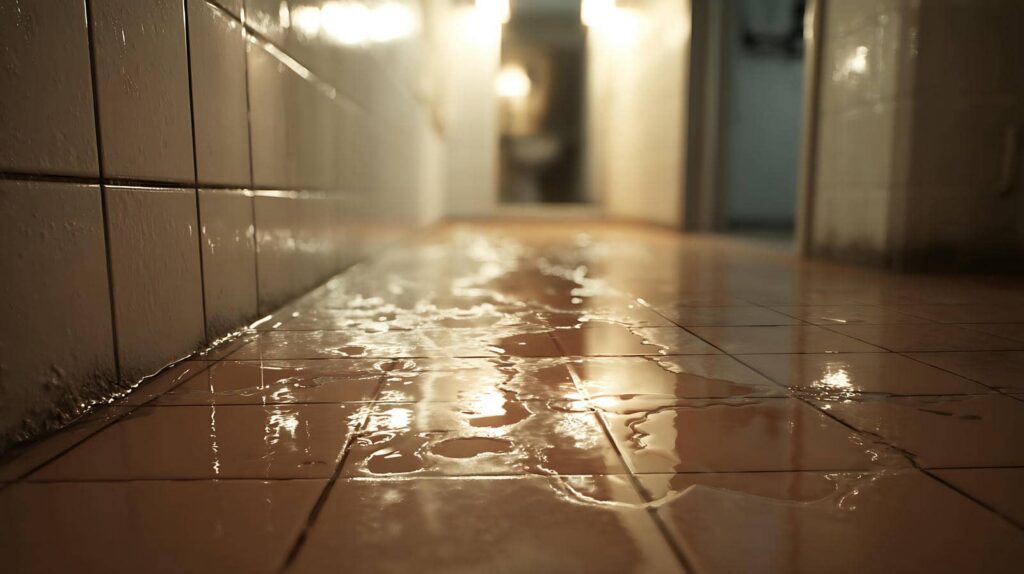
Water Damage Recovery starts with a fast, organized response to limit damage and protect your property. Stop the source of the water, ensure the area is safe to enter, and begin removing standing water before thoroughly drying all affected materials. If mold has already developed, it should be addressed carefully to prevent it from spreading and affecting indoor air quality. Following the proper recovery process helps minimize structural damage, reduce the risk of future mold growth, and restore your home or business more effectively.
Key Takeaways
- Stop the water source immediately and remove standing water with pumps or wet vacs.
- Wear waterproof gloves, closed-toe shoes, long sleeves, and a mask before cleanup.
- Dry the area quickly with fans, dehumidifiers, and open airflow.
- Check hidden spaces for trapped moisture and dry all affected materials completely.
- Remove moldy porous items and fix leaks or drainage problems to prevent recurrence.
Stop Water Damage Before Mold Starts
As soon as you spot water intrusion, act quickly to stop it from spreading and creating mold-friendly conditions. You’ll protect your space by identifying active water sources, such as leaks, runoff, or backed-up drains, and shutting them down if you can do so safely.
Next, remove standing water with pumps, wet vacs, or absorbent materials, then open pathways for airflow to help surfaces dry faster. Check walls, floors, and hidden corners for dampness, because moisture trapped behind materials can keep damage active.
For effective mold prevention, keep indoor humidity low and monitor suspect areas for renewed wetness. If the source isn’t obvious, stay calm and trace the pattern from the wettest point outward.
You’re not handling this alone; careful action now helps your home recover cleanly.
Wear Protection Before You Begin Cleanup
Before you touch any wet materials, put on protective gear so you don’t expose yourself to contaminated water, mold, or sharp debris.
Choose waterproof gloves with good grip; proper gloves usage keeps cuts, splinters, and skin irritation to a minimum. Wear long sleeves, pants, and closed-toe boots to reduce contact with residue and broken materials.
The mask importance is high when dust, spores, or musty odors are present, so use a respirator or a well-fitted mask rated for the task. Add eye protection if you may splash or scrape surfaces.
Check each item for tears before you start, and replace damaged gear immediately. When you suit up correctly, you join others who work safely and confidently.
Dry the Area Completely
Now dry every affected surface as quickly and thoroughly as possible to slow mold growth and limit additional damage.
You should remove standing water, then position fans so air circulation reaches corners, baseboards, and hidden cavities. Keep windows open only if outdoor air is dry, because humid air can slow progress.
Use dehumidifier usage continuously in the affected zone, and empty the reservoir before it shuts off. Move furniture, rugs, and stored items off wet flooring so moisture doesn’t stay trapped underneath.
Check walls, trim, and flooring with your hand or a moisture meter until they feel consistently dry. If materials stay damp after repeated drying, you’ll protect your home and your household better by extending the process before moving on.
Remove Black Mold the Right Way
Once the affected area is fully dry, inspect for black mold on walls, baseboards, insulation, carpet backing, and any hidden cavities.
You’ll want to contain the work area, wear gloves, eye protection, and an N95 respirator, then remove porous items that can’t be cleaned safely.
Use mold removal techniques that limit aerosolization: gently dampen surfaces, scrub with a HEPA vacuum first, then wipe nonporous materials with safe cleaning products labeled for mold remediation.
Avoid mixing chemicals, and rinse as directed.
If contamination covers a large area, or the material is soft, brittle, or deeply stained, bring in trained help.
Prevent Water Damage and Mold Return
To prevent water damage and mold from coming back, you need to fix the moisture source, then monitor the area closely for signs of new intrusion.
Inspect plumbing, roofing, grading, and drainage after every storm, and keep humidity below 60% with dehumidifiers or HVAC settings.
You should seal cracks, install moisture barriers in crawlspaces, and use waterproofing techniques on foundations, basements, and vulnerable wall assemblies.
Dry wet materials within 24 to 48 hours, because lingering dampness invites spores to regrow.
Test hidden cavities with a moisture meter, and document readings so you can spot trends early.
If you stay consistent, you protect your home and join a community of owners who take recovery seriously and keep their spaces healthy, dry, and secure.
Frequently Asked Questions
How Soon Should I Call My Insurance Company After Water Damage?
Call your insurance company immediately, ideally within hours of discovering water damage. You’ll start the insurance claim process faster, protect your water damage timeline, and feel supported while documenting losses and preventing delays.
Can Contaminated Water Damage Electrical Wiring?
Yes, contaminated water can damage your wiring, causing electrical hazards. You should shut off power, avoid contact, and call a licensed electrician quickly. Water contamination can corrode insulation and increase shock risks, so you’re not alone.
Should I Save Wet Documents or Throw Them Away?
Save them if they’re important; even soggy paperwork deserves a second act. You can use document preservation salvage techniques, freeze-dry, or air-dry quickly. If mold’s advanced or ink’s bleeding badly, you should discard it.
How Do I Know if Hidden Damage Exists Behind Walls?
You’ll spot hidden damage behind walls with moisture detection tools, discoloration, warping, musty odors, and soft drywall. If you find these signs, you’re not alone—call a professional quickly to prevent mold growth.
When Is Professional Restoration Necessary?
You need professional restoration when water’s spread is extensive, contamination’s present, or hidden damage threatens structural integrity; experts handle water extraction, mold prevention, and drying, so you won’t face recovery alone.
Review
As you finish recovery, think of your home as a ship at sea: if you patch the leak, suit up before boarding, dry every deck, quarantine any black mold, and keep humidity under control, you steer clear of the storm’s return. You’ve already taken the right steps to stop damage, protect yourself, and restore safety. Stay vigilant, fix moisture sources quickly, and you’ll keep your space dry, healthy, and ready for calm waters ahead.