Water damage can start spreading within minutes, turning a small leak into a much bigger problem. You need water damage restoration service to stop the source, remove standing water, dry hidden moisture, clean affected areas, and repair damage before mold or structural issues set in. It’s a coordinated process that helps protect your property, but the exact steps depend on how severe the intrusion is and what materials are affected.
Key Takeaways
- Water damage restoration service removes water, dries affected areas, cleans contamination, and repairs damaged materials after leaks, floods, or storms.
- It starts with emergency actions like shutting off water and electricity, then documenting damage and moving valuables to safety.
- Professionals extract standing water using pumps and vacuums, then use air movers and dehumidifiers for controlled drying.
- Restoration teams clean and sanitize surfaces to prevent mold, odors, and microbial growth from lingering moisture.
- Fast response from a qualified team reduces structural damage, improves safety, and helps restore the property quickly.
What to Do After Water Damage
Act quickly after water damage to limit structural deterioration and mold growth.
First, shut off the main water source if you can do so safely, and turn off electricity in affected areas.
Prioritize water safety by avoiding standing water near outlets, appliances, and loose cords. Move valuables, rugs, and lightweight furniture to a dry space. Document visible damage with photos for your records.
Open windows and doors if weather allows, and use fans to improve airflow. Remove excess water with mops or wet vacuums only when conditions are safe.
Contact your insurance provider promptly. Check nearby walls, floors, and ceilings for spreading moisture.
Use prevention tips such as routine plumbing inspections, hose checks, and appliance maintenance to reduce future risk and keep your home protected.
What Is Water Damage Restoration?
Water damage restoration is the process you use to remove water, dry affected materials, and reduce further structural or microbial damage.
It starts by evaluating the source and extent of the damage, then moves through extraction, drying, cleaning, and repairs.
Understanding these basics helps you see why a fast, controlled restoration process matters.
Water Damage Basics
When moisture enters a structure and isn’t removed quickly, it can damage building materials, promote mold growth, and compromise indoor air quality.
You need to identify water sources fast, because leaks, burst pipes, appliance failures, roof intrusion, and storm runoff all affect materials differently. Clean water may seem minor, but it can still soak drywall, insulation, and flooring.
Contaminated water raises health risks and needs stricter handling. You protect your home and your crew by focusing on damage prevention early, especially by shutting off supply lines and limiting spread.
You also reduce secondary damage when you catch hidden moisture in walls, ceilings, and subfloors. Knowing these basics helps you respond with confidence and stay part of a prepared, informed property care routine.
Restoration Process Overview
Once you’ve identified the source and stopped further intrusion, water damage restoration becomes the structured process of removing moisture, drying affected materials, cleaning and sanitizing impacted areas, and repairing damaged components.
You’ll start with a moisture assessment to map hidden saturation in walls, floors, and cavities. Next comes water extraction, using pumps, vacuums, and targeted removal to reduce standing water fast.
Then you’ll see controlled drying with air movers and dehumidifiers to stabilize humidity and limit secondary damage. Technicians also clean, disinfect, and monitor surfaces to prevent microbial growth and protect indoor air quality.
Finally, they’ll repair or replace compromised materials so your space feels safe, functional, and restored. Throughout the process, you’re part of a team working toward a clean recovery.
Signs You Need Restoration Help
You should contact restoration help if you notice visible water stains on walls, ceilings, or floors, since they often signal hidden moisture damage.
Persistent musty odors also point to trapped dampness and possible microbial growth.
If either sign appears, you’ll want a professional inspection right away.
Visible Water Stains
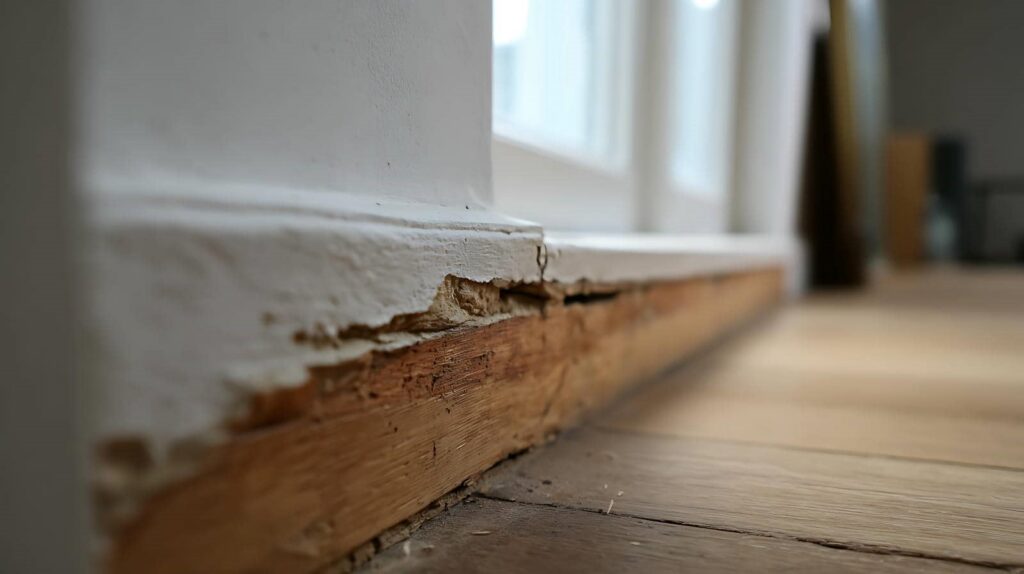
Visible water stains often signal that moisture has already moved behind walls, ceilings, or flooring and may be causing hidden damage. You should treat this as visible damage, not just a cosmetic issue.
Stains can show active leaks, prior flooding, or trapped moisture that weakens drywall, insulation, and subfloors. In your home, the stain’s shape, color, and spread help technicians trace the source and choose treatment options fast.
If the stain feels soft, bulges, or grows after rain or plumbing use, you likely need restoration help. A qualified crew can inspect the area, remove affected materials, dry the structure, and verify that moisture levels return to safe ranges.
Acting early protects your space and helps you stay part of a home that’s sound, stable, and ready for daily life.
Persistent Musty Odors
Persistent musty odors often mean moisture has lingered long enough for mold growth, trapped dampness, or microbial activity to develop behind surfaces. You shouldn’t ignore the smell, even if visible damage seems minor.
Common musty odor sources include soaked drywall, wet insulation, hidden subflooring, and contaminated HVAC ducts. When you notice the odor after a leak or flood, you likely need inspection, moisture mapping, and targeted drying.
Professional odor removal techniques can include source removal, antimicrobial treatment, HEPA filtration, and controlled dehumidification. These steps help you restore healthy indoor air and keep your space comfortable for everyone in your home or building.
If the smell returns after cleaning, lingering moisture is still present, and restoration help can prevent larger structural and indoor air quality problems.
How Emergency Water Extraction Works
When water enters a structure, emergency extraction crews first assess the source, extent, and category of the water, then shut off the supply and map affected areas.
You’ll see them deploy emergency equipment such as truck-mounted vacuums, submersible pumps, and weighted hoses to remove standing water fast. They choose extraction techniques based on depth, flooring type, and access, using edge lifting and controlled passes to reduce trapped moisture.
Technicians move room by room, checking behind walls and under cabinets so no hidden pocket gets missed. This process lowers saturation, limits spread, and prepares your space for the next restoration steps.
If you’re dealing with a loss, you’re not alone—skilled crews work with you to restore order and protect the structure quickly.
What Water Damage Cleanup Covers
Water damage cleanup covers the full process of stabilizing, drying, and sanitizing affected areas after extraction.
You’ll see technicians document flood classification, because clean, gray, and black water each require different handling. They’ll inspect materials, map visible spread, and perform a moisture assessment to locate trapped water in walls, floors, and insulation.
Then they remove unsalvageable debris, clean contaminated surfaces, and apply disinfectants where needed. You stay informed through clear status updates, so you know what’s safe to keep and what needs replacement.
Cleanup also includes targeted drying of structural components, corrosion control for metal fixtures, and final verification that readings have returned to acceptable levels.
This process helps your space move from damaged to usable with less disruption.
Why Fast Drying Helps Prevent Mold
Fast drying helps prevent mold because it removes the moisture mold needs to start growing, often within 24 to 48 hours after a leak or flood.
You lower the risk of mold growth when you use targeted drying techniques that move air, reduce humidity, and pull water from carpets, drywall, and framing.
You also help protect indoor air quality and keep your space safer for everyone who shares it.
Technicians monitor moisture levels with meters, so you know when materials have reached acceptable dryness.
When you act quickly, you limit hidden dampness in wall cavities and under flooring.
That response keeps remediation simpler and helps your home return to normal faster.
Timely drying gives you confidence that the affected area’s restored condition will last.
When Flood Damage Repair Is Needed
If floodwater reaches your home or business, you need prompt repair as soon as materials, structures, or contents show signs of saturation, staining, swelling, or contamination.
You should act before hidden moisture spreads into walls, subfloors, insulation, or electrical components. Delays increase the chance of structural weakening, corrosion, odors, and microbial growth.
If wastewater, river water, or storm runoff entered the space, treat the damage as urgent because contaminants can remain on surfaces and inside porous materials.
Use flood preparedness tips and emergency response strategies to reduce exposure, document damage, and limit loss.
You belong in a recovery process that starts fast, with moisture inspection, controlled drying, and removal of unsalvageable items.
When you respond early, you protect safety, shorten downtime, and improve restoration outcomes.
How to Choose a Restoration Team
Once you’ve identified flood damage and started emergency response, the next step is choosing a restoration team that can assess, dry, clean, and repair the property correctly. You want a crew with proven restoration qualifications and documented team experience, because fast, accurate work limits secondary damage and downtime.
Verify licenses, insurance, and certification for water mitigation and structural drying.
Ask for references, response times, and examples of similar losses they’ve handled.
Confirm they use moisture meters, air movers, dehumidifiers, and clear documentation.
You’ll feel better when the team explains each step, communicates directly, and works as part of your recovery network.
Choose professionals who track progress, respect your space, and keep you informed from inspection to final sign-off.
Frequently Asked Questions
How Long Does Water Damage Restoration Usually Take?
You’ll usually need 3–7 days, though severe cases can take weeks. Your water damage timeline depends on moisture levels, materials, and drying speed. The restoration process includes inspection, extraction, drying, cleaning, and repairs.
Does Insurance Cover Water Damage Restoration Costs?
Yes, your insurance may cover water damage restoration costs, depending on your insurance policies, cause of damage, restoration claims, and coverage limits. You’ll need to review exclusions, file promptly, and document everything carefully.
Can I Stay in My Home During Restoration?
It depends on evacuation safety and the restoration timeline; if crews isolate damage, you can often stay, but you shouldn’t if mold, electrical hazards, or structural drying require relocation. Ask your contractor first.
What Equipment Do Restoration Teams Use?
You’ll see moisture detection meters, infrared cameras, air movers, and dehumidifier types on site. They’re used to map hidden water, dry materials, and help your team restore your space quickly, safely, and confidently.
How Much Does Water Damage Restoration Cost?
You’ll usually pay $1,000–$5,000 for water damage restoration, but severity, water types, and restoration methods change costs fast. You can lower expenses by acting quickly, documenting damage, and choosing a trusted local team.
To Sum Up
When water damage strikes, you need to act fast, document the loss, and call a restoration team. They’ll extract water, dry materials, clean affected areas, and repair flood damage before mold and structural issues develop. If you notice swelling, staining, or musty odors, don’t wait. A qualified crew can restore your property efficiently and safely, using techniques as precise as a sundial in a storm, so you can return to normal with confidence.