
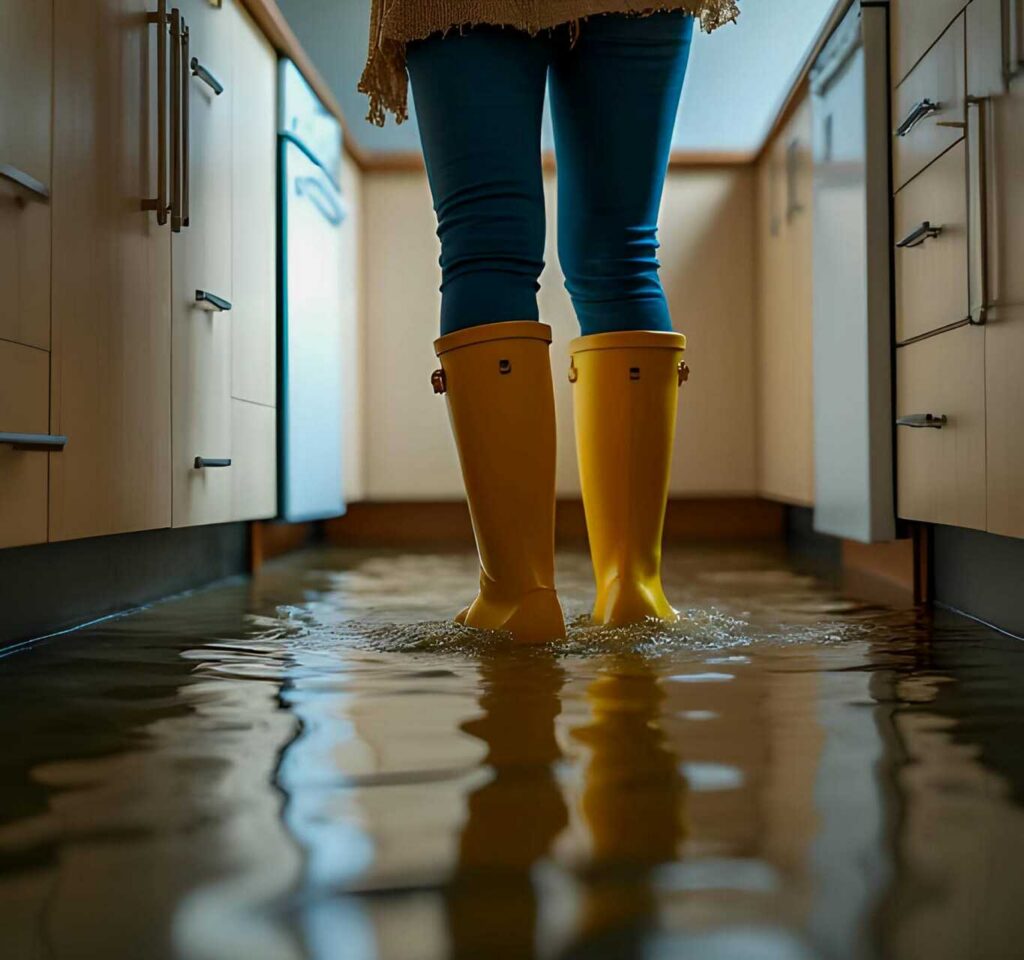
Flood Cleanup should begin immediately to reduce water damage and prevent long-term problems. Start by stopping the water source if possible, then remove standing water using pumps or wet vacuums before it soaks deeper into floors, walls, and belongings. Thorough drying with professional air movers and dehumidifiers is essential to reduce the risk of mold growth and hidden moisture damage. If mold is already present, it should be handled carefully to prevent it from spreading. A fast, organized cleanup process can protect your property, improve indoor air quality, and minimize costly repairs.
Key Takeaways
- Shut off the water source immediately to stop additional flooding and inspect for visible leaks or broken fixtures.
- Remove standing water fast using a wet vac, pump, mop, or towels, working from the edges toward the center.
- Dry the area quickly with fans, dehumidifiers, and open windows or doors to improve airflow.
- Remove wet furniture and materials so hidden areas can dry and mold risk is reduced.
- Prevent mold by monitoring dampness, replacing soaked porous materials, and cleaning hard surfaces with detergent and disinfectant.
Stop the Leak and Remove Standing Water
Before you do anything else, stop the source of the leak and shut off the water if it’s still flowing.
Then inspect visible pipes, fixtures, appliances, and exterior entry points so you can confirm the failure point and prevent more damage. If you can’t identify it quickly, use leak detection methods like checking water meters, damp traces, and pressure loss.
Next, remove standing water with a wet vac, pump, mop, or towels, working from the edges toward the center. Use water extraction tools on carpet, padding, and hard floors to speed removal.
Move furniture only after you stabilize the area. Stay methodical, document what you find, and keep your team focused on the same goal: stop the intrusion, clear the water, and regain control fast.
Dry the Area Before Mold Grows
Once the standing water is gone, dry every exposed surface as fast as possible to limit mold growth.
Start by opening windows and doors if weather allows, then run fans to move air across floors, walls, and trim. Use dehumidifiers to pull moisture from the room and empty them often.
Remove wet rugs, cushions, and boxes so air can reach hidden areas. Lift baseboards and check corners, where dampness lingers.
These effective drying techniques work best when you keep air moving continuously for 24 to 48 hours.
For mold prevention tips, inspect materials daily and replace any item that stays wet too long.
You’re not just drying a room; you’re protecting your space, your crew, and your peace of mind.
Remove Black Mold Safely
If you spot black mold during cleanup, isolate the area right away and wear gloves, an N95 respirator, and eye protection before you touch anything.
Turn off HVAC, open windows if conditions allow, and seal the room with plastic to limit spore spread.
Remove porous materials like drywall, insulation, and carpet padding if they’re contaminated.
Clean nonporous surfaces with detergent and water, then apply a disinfectant approved for mold remediation.
Don’t dry-scrub or use bleach on porous materials; it can’t penetrate well.
Bag debris tightly and dispose of it per local rules.
After cleanup, dry the space completely and monitor humidity below 60%.
These safe cleaning techniques support mold prevention tips and help you protect your team and household.
Frequently Asked Questions
How Quickly Should I Call My Insurer After Flood Damage?
Call your insurer immediately, ideally within 24 hours, so you meet the flood insurance timeline and start the claim process. tips: document damage, protect belongings, and keep receipts to speed approval and connect with support.
Can Floodwater Damage Electrical Wiring Hidden in Walls?
Yes—floodwater can sneak through walls like a thief, damaging hidden wiring. You should prioritize electrical safety, shut power off, and schedule a wiring inspection. Don’t assume dry walls mean safe circuits; you’re protecting your home community.
What Items Should Be Discarded After Sewage Contamination?
You should discard porous contaminated materials, including drywall, insulation, carpet, mattresses, upholstered furniture, and food exposed to sewage, because they create serious health hazards. Seal them, remove them fast, and protect your crew.
How Long Does Flood Cleanup Usually Take for a Home?
Flood cleanup usually takes days to weeks for your home. Your flood cleanup timeline depends on restoration factors like water depth, damage, drying speed, and mold risk; it can feel endless, but you’ll get there.
Are Temporary Repairs Safe Before Professional Restoration Starts?
Yes, you can use temporary fixes if they’re stable, but you should watch for safety concerns like electrical hazards, contamination, and structural weakening. You’ll protect your home best by limiting access until pros restore it.
Summary
When you act fast, you turn a flood from a storm into a puddle. Stop the leak, pull out standing water, and dry the space with fans and dehumidifiers before mold takes root. Keep checking for hidden dampness over the next 24 to 48 hours, because moisture can linger like an unseen spark. If black mold appears, remove it safely or call a pro. Your quick response protects your home from lasting damage.