
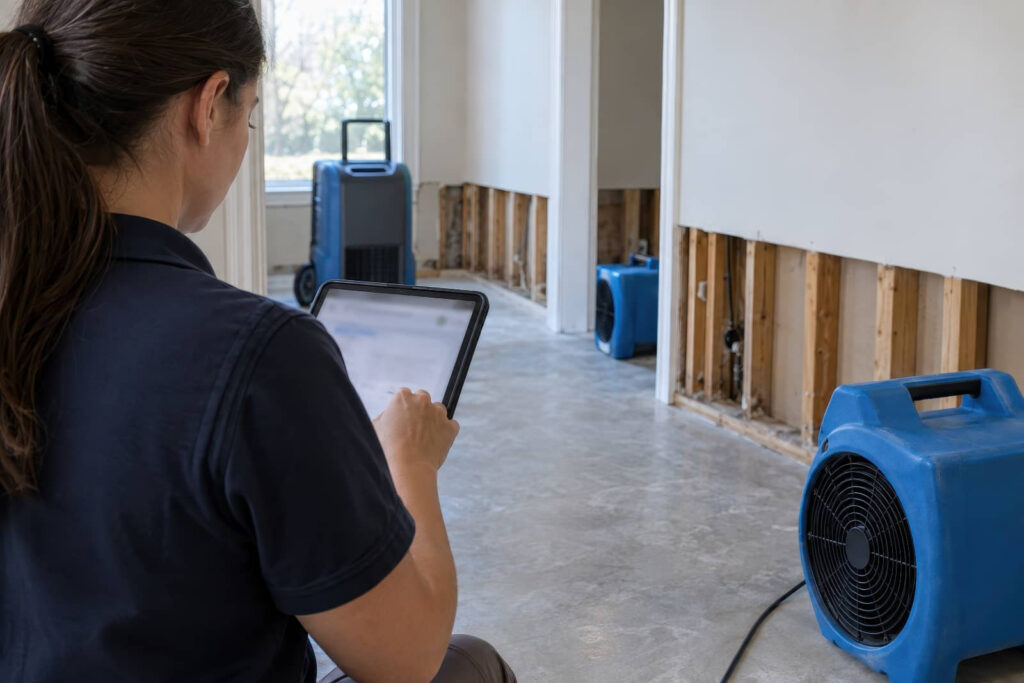
When your basement gets a little too enthusiastic with water, emergency basement water extraction is the rapid process you use to remove it before damage spreads. You shut off power, stop the source, and pump out standing water with a wet/dry vac or submersible pump. Then you map moisture, ventilate hard, and dehumidify. The speed of your response can decide whether you face a simple cleanup or a costly repair.
Key Takeaways
- Emergency basement water extraction is the urgent removal of standing water to prevent structural damage and mold growth.
- It usually starts by stopping the water source and shutting off power if water reaches electrical outlets.
- Professionals use pumps, wet/dry vacuums, and moisture mapping to remove water from shallow and deep flooding.
- Fast extraction helps protect drywall, insulation, flooring, and air quality within the first 24 to 48 hours.
- After removal, fans, dehumidifiers, and drainage fixes help fully dry the basement and prevent future flooding.
How to Remove Basement Water Fast?
Start by shutting off power to the basement if water has reached outlets. Then remove standing water with the fastest available method: a wet/dry vacuum for shallow water, a submersible utility pump for deeper flooding, or a sump pump if one is already installed.
You’ll work faster if you open access paths, clear debris, and route discharge water well away from the foundation. Use water removal techniques in stages: pump first, vacuum next, then mop remaining puddles with absorbent towels.
Keep ventilation strong with fans and a dehumidifier to speed drying. Wear gloves and boots, and avoid walking through contaminated water.
In any basement emergency, your emergency preparedness matters, so keep pumps, hoses, extension cords, and backup power ready. Staying organized helps you protect your space and your people.
Signs Your Basement Needs Water Extraction
You need basement water extraction when you see visible puddles, since standing water can spread quickly and damage finishes.
You should also watch for musty odors, which often signal trapped moisture and possible mold growth.
Stains on walls or floors usually mean water intrusion has already occurred and needs immediate attention.
Visible Water Puddles
When you see visible water puddles in the basement, you’re already dealing with active intrusion that can worsen quickly.
Check the floor for visible water sources near walls, sump pits, window wells, pipes, and cracks. Trace how far the water spreads, because that helps you judge whether basement drainage is failing or overwhelmed.
You need fast extraction when puddles keep returning after mopping, collect after rain, or pool around stored items and mechanical equipment.
Shut off nearby utilities if water reaches outlets or appliances, then document the affected area for your restoration team. Acting early protects your space, limits material damage, and helps you stay in control with neighbors who understand the pressure.
Don’t wait for deeper saturation, because standing water can move into hidden cavities fast.
Musty Odors
Musty odors often signal trapped moisture, hidden damp materials, or early mold growth in the basement. You shouldn’t ignore musty smells, because they usually mean water is lingering where you can’t see it.
In damp environments, porous materials absorb moisture fast, and odor compounds spread through the air. If you notice the smell after storms, leaks, or high humidity, your basement may need extraction now.
You can improve conditions with ventilation and dehumidification, but those steps won’t solve saturated materials or standing water. A professional extraction team can remove moisture, dry affected areas, and help prevent more damage.
Acting quickly keeps you in control and protects the space your household relies on.
Wall And Floor Stains
Wall and floor stains often point to repeated water intrusion, even if you don’t see active pooling. You should treat these marks as evidence, not cosmetic flaws. Water can carry minerals, soil, and contaminants into porous concrete, leaving yellow, brown, or white bands.
If you skip prompt extraction, stains can deepen and signal hidden moisture behind finishes.
- Check stain edges for dampness and spreading.
- Compare patterns near cracks, seams, and drains.
- Document changes after heavy rain.
- Pair stain removal with moisture control and wall treatments.
You belong in a dry basement, and fast action helps you get there. After pumping out water, inspect for seepage sources, then dry surfaces fully.
If stains return, call a professional to test humidity, identify entry points, and recommend lasting repairs.
Common Causes of Sudden Basement Flooding
Sudden basement flooding usually starts with a fast-moving failure in the drainage or waterproofing system. You’ll often see heavy rainfall overwhelm drains, while snowmelt runoff adds pressure around the foundation.
Drainage issues let water pool, and groundwater seepage can push through cracks or foundation leaks. Inside, plumbing failures, broken appliances, and sewer backups can release water quickly enough to soak walls, floors, and stored items before you notice.
If you live in a flood-prone area, these risks often combine during storms, so you’re not dealing with one problem but several. Stay alert for damp spots, odor changes, or sudden moisture near utility lines; those signs help you act with your neighbors before damage spreads.
How Emergency Water Extraction Works
Emergency water extraction starts with stopping the source, then removing standing water as quickly as possible to limit structural damage and mold growth.
You’ll get an emergency response team that assesses the basement, identifies hazards, and sets up water removal techniques matched to the floor type and water depth. They use pumps for deep water, vacuums for residual moisture, and controlled extraction for carpeting or seams.
- You’ll see moisture mapping to target wet zones
- You’ll get safe power isolation before equipment starts
- You’ll have debris cleared for faster access
- You’ll get continuous monitoring until surfaces are dry
This process helps you protect your space, stay organized, and feel confident your home’s recovery is moving in the right direction.
Why Fast Water Removal Prevents Mold
You need to remove basement water fast because mold can begin growing within 24 to 48 hours in damp materials.
Quick extraction lowers moisture levels before spores can colonize drywall, framing, and flooring.
Mold Growth Timeline
Because mold can begin colonizing damp basement materials within 24 to 48 hours, fast water extraction is critical after flooding or seepage. You protect your space when you act in that narrow window, because spores already present can feed on wet drywall, wood, and carpet backing.
For mold prevention, you need immediate moisture control and dry conditions before growth spreads.
- Remove standing water quickly.
- Check hidden seams and corners.
- Track humidity and wet surfaces.
- Document any lingering dampness.
If you belong to a household with shared maintenance duties, clear communication helps everyone respond fast. You’re not just drying a room; you’re interrupting the timeline that lets mold establish itself and damage your basement environment.
Moisture Removal Benefits
Fast moisture removal cuts off the conditions mold needs to spread in a basement. You reduce the time water stays in carpet, drywall, and framing, which limits spore germination and hidden decay.
With quick extraction, you protect structural materials, keep humidity down, and make moisture control much easier during drying. That speed also helps you avoid musty odors and the costly cleanup that follows active growth.
For you and your household, the health benefits include fewer airborne irritants and a lower chance of exposure to allergens that can trigger coughing, sneezing, or eye irritation.
When you act fast, you join the homeowners who stay ahead of damage, preserve their space, and restore a safer basement with less disruption.
What Basement Water Extraction Costs
Basement water extraction costs vary based on the water volume, contamination level, access, and drying requirements, but small jobs often start around a few hundred dollars and can rise into the thousands for larger floods.
You’ll usually pay for labor, equipment, and moisture monitoring, so compare quotes with the same scope.
Key cost factors include:
- Water depth and spread
- Pumping and removal time
- Drying equipment rental
- Cleanup and deodorizing needs
If you’re budgeting, ask how basement waterproofing solutions may reduce repeat expenses.
You’ll fit better plans to your home when you understand what’s included, what’s optional, and how quickly conditions change.
Clear pricing helps you protect your space and stay connected to your home community.
When Basement Flooding Needs Professional Help
You should call a professional when basement flooding involves more than a small, clean-water spill, especially if the water is rising, contains sewage, or has reached electrical systems.
You also need expert help when soaked drywall, insulation, or flooring threatens hidden flood damage.
Professionals use pumps, moisture meters, and containment methods that support water safety and reduce structural risk.
If you smell mold, see contaminated sludge, or can’t identify the source, don’t wait.
You’re safer with a trained team that can assess the space, remove standing water, and document losses for insurance.
Acting fast limits spread, protects your household, and gets your basement back to a usable condition with less disruption and fewer surprises.
How to Protect Your Basement Next Time
Once the water’s out, focus on prevention so the next storm causes less damage and cleanup. You can protect your basement by sealing cracks, improving grading, and keeping gutters clear.
Add basement waterproofing where walls or floors leak, and test sump pumps before heavy rain. Strong drainage solutions move water away from your foundation and reduce hydrostatic pressure.
- Inspect foundation walls for new gaps
- Install a battery backup for your sump pump
- Extend downspouts at least 6 feet
- Store valuables on raised shelving
You’ll do better when you build a routine: check after storms, replace worn window wells, and keep a dehumidifier running.
Small upgrades now help your household stay safe, dry, and ready together next time.
Frequently Asked Questions
How Soon Should I Call After Basement Flooding Starts?
You should call right away, because every hour increases damage. Nearly 1 in 4 basements flood yearly, so act fast. Reach emergency services now, then start flood prevention steps to protect your home and community.
Can Emergency Extraction Save Carpet and Drywall?
Yes, you can often save carpet and some drywall if you act fast; emergency extraction limits water damage, and restoration techniques like dehumidification and targeted removal help you protect your home’s comfort and community feeling.
Is Basement Water Extraction Covered by Homeowners Insurance?
Usually, yes—if you’ve got insurance coverage for sudden, accidental water damage. You’ll need to document losses, start the claim process quickly, and review exclusions, deductibles, and flood limits so you’re not surprised later.
Do I Need to Shut off Electricity Before Extraction?
Yes, you should shut off electricity before extraction. You’ll reduce electrical hazards and protect everyone nearby. Follow safety precautions, avoid standing water around outlets, and call a licensed electrician if you’re unsure.
How Long Does the Basement Drying Process Take?
You’ll usually dry your basement in 2–5 days, not weeks. Drying equipment speeds the job, while moisture levels guide adjustments. You’re not stuck guessing; you’ll see progress quickly and stay connected to the process.
Review
When your basement floods, you need to act fast. Shut off power, stop the water source, and start extraction with a wet/dry vacuum or pump. Then use moisture mapping, ventilation, and dehumidifiers to dry every affected area. If you wait, mold can spread like wildfire and damage your home. When the water is deep, contaminated, or keeps returning, call a professional right away to protect your structure and your health.